
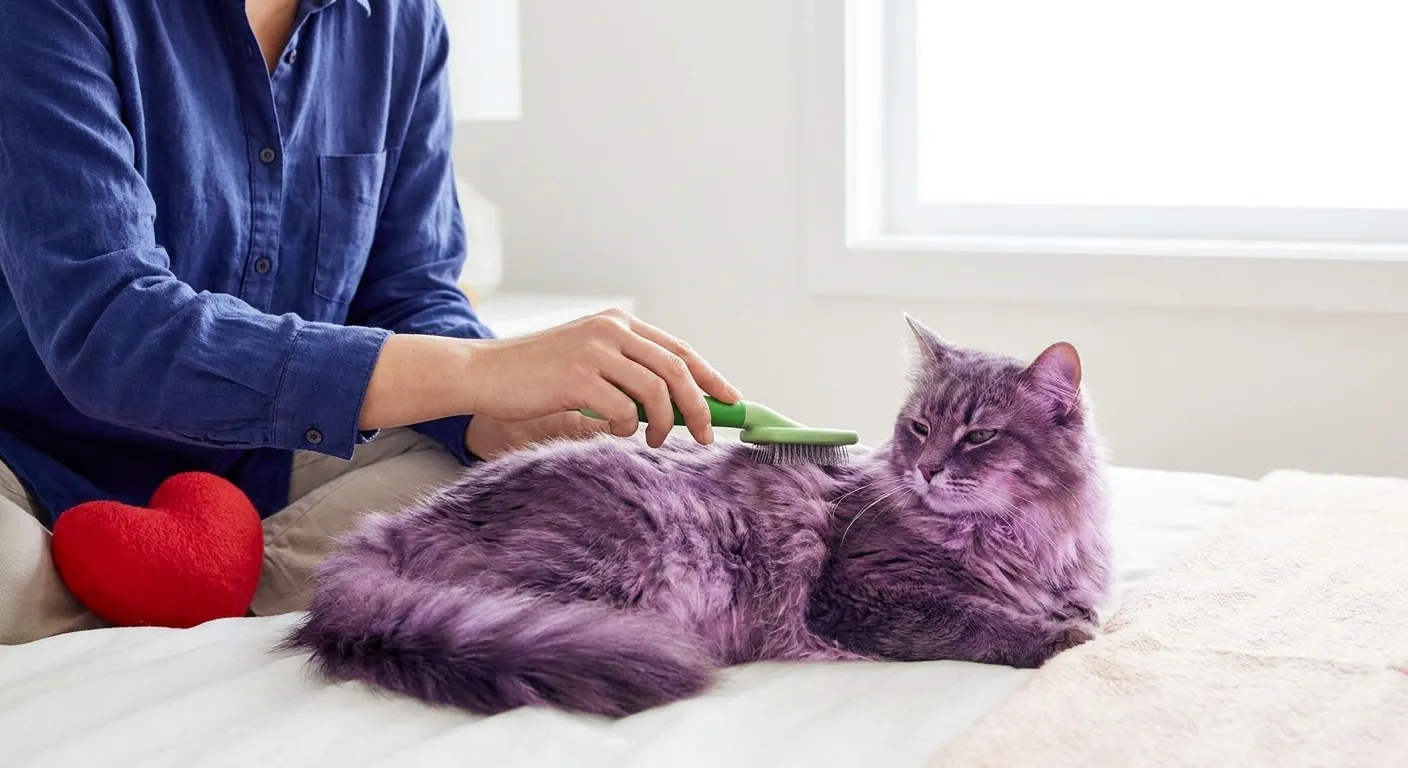
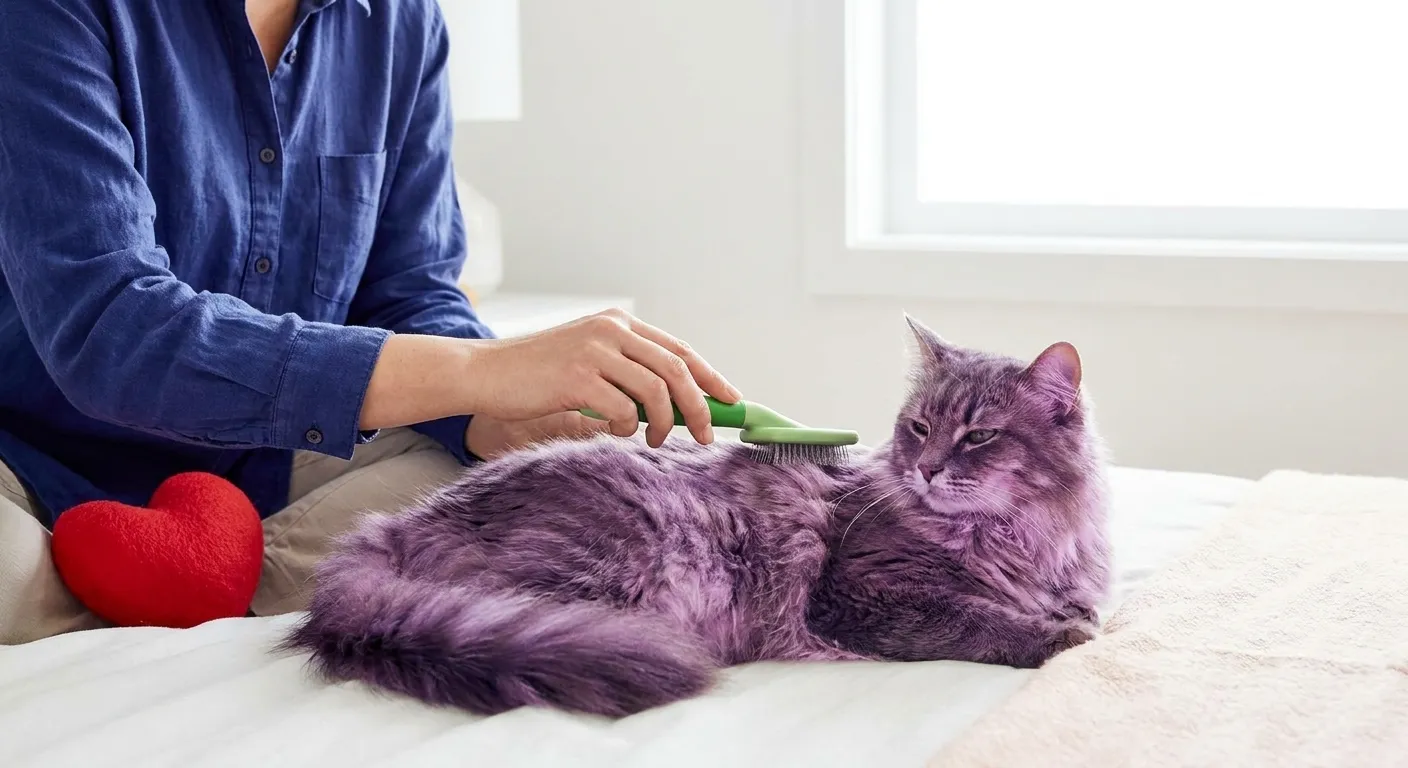
In 2025-2026, the trend of pet humanization continues to accelerate, with cat owners increasingly viewing their felines as full-fledged family members. This shift means more focus on holistic wellness, where grooming isn’t just about aesthetics but a vital health service and a bonding opportunity. Learning to establish a gentle cat grooming routine is paramount for your feline’s well-being and your peace of mind, transforming what could be a stressful chore into a cherished moment of connection.
Why a Gentle Cat Grooming Routine Matters
For many cats, grooming can be a source of anxiety. Harsh handling, loud tools, or prolonged sessions can lead to fear and resistance, making future grooming even more challenging. A gentle approach, however, fosters trust and cooperation.
Beyond Aesthetics: Health Benefits
Regular grooming helps prevent matting, reduces shedding, and minimizes hairballs – a common concern for cat owners. Furthermore, it allows you to regularly check for skin issues, parasites, or unusual lumps, contributing to your cat’s overall preventative care. As demand for wellness products and preventative care surges, grooming is recognized as a key component of a cat’s healthy lifestyle. For more information on preventing common coat issues, consider reading our guide on Prevent Cat Matting: A Comprehensive Guide for Owners and Preventing Cat Hairballs and Mats: A Holistic Approach to Feline Coat Health.
Strengthening Your Bond
When done gently and positively, grooming becomes a tactile expression of affection. It reinforces the bond between you and your cat, building a foundation of trust that extends beyond grooming sessions. This aligns perfectly with the desire for personalized, wellness-integrated experiences for pets.
Setting the Stage for Success
Creating a positive environment is the first step in a successful gentle grooming routine.
The Right Environment
Choose a quiet, calm space in your home where your cat feels safe and secure. Avoid areas with high traffic, loud noises, or distractions. A comfortable surface, like a soft blanket on a table or your lap, can make a big difference.
Timing is Everything
Observe your cat’s natural rhythms. The best time for grooming is often when they are naturally relaxed and sleepy, such as after a meal or a play session. Never try to groom a cat that is agitated, playful, or trying to escape.
Introducing Tools Gently
Part of the stress for cats can come from unfamiliar tools. Introduce them slowly and positively.
Brush Basics
Start with a soft brush, allowing your cat to sniff and investigate it. Gently touch the brush to their fur for a second or two, then reward with a treat or praise. Gradually increase the duration and areas brushed. Focus on areas they enjoy being touched, like their back or cheeks, before moving to more sensitive spots. Remember, consistent positive reinforcement is key to making this a pleasant experience. For more on the benefits, see The Benefits of Brushing Your Cat: More Than Just a Pretty Coat.
Nail Clippers and Toothbrushes
Similarly, introduce nail clippers or a feline toothbrush by letting your cat see and smell them. Offer a treat. Don’t immediately try to use them. The goal is to associate the tools with positive experiences, not fear. For detailed guidance on specific tools, refer to Stress-Free Cat Nail Trimming: A Gentle Guide for Anxious Felines and Essential Cat Dental Care at Home: Keep Feline Teeth Healthy.
Step-by-Step Guide to a Gentle Cat Grooming Routine
Establishing a consistent and positive grooming approach requires patience and understanding. Here is a detailed step-by-step guide to help you develop a successful gentle cat grooming routine.
Step 1: Start Small and Build Up
Begin with very short sessions, perhaps just a minute or two, especially if your cat is new to grooming. Over time, as your cat becomes more comfortable, you can gradually extend the duration of each session. The key is to end the session before your cat shows signs of irritation or anxiety, always leaving them with a positive experience.
Step 2: Brushing for Coat Health and Bonding
Brushing is a cornerstone of any effective cat grooming routine. Choose a brush appropriate for your cat’s coat type – a soft bristle brush for short-haired cats or a slicker brush for long-haired breeds. Begin by gently stroking their favorite spots, like their back or cheeks, and slowly move to other areas. This regular brushing not only helps remove loose fur and prevent mats but also stimulates blood circulation and distributes natural oils, leading to a healthier, shinier coat. Furthermore, it’s a perfect opportunity to check their skin for any abnormalities. You can learn more about What Your Cat’s Coat Reveals: Spotting Health Issues During Grooming.
Step 3: Gentle Nail Trimming
Trimming your cat’s nails regularly is crucial for their comfort and to prevent damage to furniture. Use sharp, cat-specific nail clippers. Gently press on your cat’s paw pad to extend the nail. Only snip the very tip of the nail, avoiding the quick (the pink part) which contains blood vessels and nerves. If you’re unsure, ask your vet or a professional groomer for a demonstration. Remember to reward your cat with treats and praise after each paw.
Step 4: Ear Cleaning (When Necessary)
Most cats do not require frequent ear cleaning. However, if you notice dirt, wax buildup, or an unusual odor, it’s time to clean them. Use a vet-approved ear cleaner and a soft cotton ball. Gently wipe the visible parts of the ear, being careful not to insert anything into the ear canal. If you suspect an ear infection, consult your veterinarian.
Step 5: Eye Care
Some cat breeds, especially those with flat faces, may accumulate tear stains or discharge around their eyes. Use a damp, soft cloth or a specialized pet eye wipe to gently clean around the eyes. Always wipe away from the eye and use a fresh part of the cloth for each eye to prevent potential cross-contamination.
Step 6: Dental Hygiene
Dental care is a vital, yet often overlooked, part of a cat’s overall health. Introducing regular tooth brushing can significantly reduce plaque and tartar buildup, preventing serious dental diseases. Use a feline-specific toothbrush and toothpaste. Start by letting your cat taste the toothpaste, then gradually introduce brushing for short periods. This aspect of a comprehensive cat grooming routine is incredibly important for their long-term health, as dental issues can impact other bodily systems. The American Veterinary Medical Association (AVMA) offers excellent resources on pet dental care, emphasizing its importance for overall health. Learn more from the AVMA about pet dental care.
Maintaining Your Gentle Cat Grooming Routine
Consistency is key to a successful and stress-free grooming experience for your feline friend. A regular schedule helps your cat anticipate and accept grooming sessions, making them a natural part of their life.
Consistency and Patience
Aim for short, frequent sessions rather than long, infrequent ones. For example, a few minutes of brushing every day is more effective than an hour-long session once a month. Patience is paramount; if your cat becomes stressed, take a break and try again later. Never force your cat to endure grooming, as this can erode trust and make future attempts more difficult. Building a positive association is central to any successful feline care regimen.
Positive Reinforcement
Always reward your cat after a grooming session, no matter how short or incomplete. This could be a favorite treat, a special toy, or plenty of verbal praise and gentle petting. Positive reinforcement helps your cat associate grooming with pleasant outcomes, making them more willing participants in the future. For additional guidance on positive reinforcement techniques, resources like the ASPCA provide valuable insights into feline behavior and training. Explore cat behavior tips from the ASPCA.
When to Seek Professional Help
While establishing a gentle cat grooming routine at home is beneficial, some situations may warrant professional help. If your cat has severe matting, exhibits extreme aggression during grooming, or has complex medical conditions affecting their coat or skin, a professional groomer or veterinary technician can provide expert care. They have specialized tools and techniques to handle challenging situations safely and effectively.
Addressing Common Grooming Challenges
Even with the gentlest approach, challenges can arise. Knowing how to respond can make a big difference.
Dealing with Mats
If you discover mats, especially close to the skin, do not pull or try to cut them out with scissors. This can be painful and dangerous for your cat. Instead, use a mat splitter or a wide-toothed comb to gently work them out, starting from the ends and working your way to the skin. For severe mats, professional help is recommended to avoid injury. Establishing a regular grooming schedule, including daily brushing, is the best way to prevent matting in the first place.
Managing Shedding
All cats shed, but some breeds shed more than others. Regular brushing, especially with a de-shedding tool during shedding seasons, can significantly reduce the amount of loose hair around your home and minimize hairballs. A consistent gentle cat grooming routine that includes thorough brushing can make a noticeable difference in managing your cat’s shedding. You can learn more about Understanding Cat Shedding: Why Cats Shed and How to Manage It.
Bathing Your Cat (If Necessary)
Most cats are self-cleaning and rarely need baths. However, if your cat gets particularly dirty, has fleas, or has a skin condition requiring medicated shampoo, a bath might be necessary. Use lukewarm water and cat-specific shampoo. Be prepared, have everything ready, and make the experience as quick and calm as possible. Always ensure to rinse thoroughly to prevent skin irritation. For more details, consult Cat Bathing Basics: When and How to Bathe Your Feline Friend.
Conclusion
Establishing a gentle cat grooming routine is an investment in your cat’s health, happiness, and your shared bond. By approaching grooming with patience, positive reinforcement, and the right tools, you can transform what might seem like a chore into a rewarding experience for both of you. Remember to start small, be consistent, and always prioritize your cat’s comfort and trust. A well-groomed cat is often a happier, healthier cat, and a positive grooming experience strengthens the unique connection you share. This consistent care contributes significantly to their overall wellness.
FAQ
What is the best way to start a new grooming schedule with my cat?
The best approach is to begin with short, positive sessions. Introduce grooming tools slowly, allowing your cat to sniff them before use. Offer treats and praise throughout the process. Gradually increase the duration as your cat becomes more comfortable. Consistency and patience are key to building a successful grooming habit.
How often should I groom my cat?
The frequency of grooming depends on your cat’s breed, coat type, and lifestyle. Short-haired cats may only need brushing a few times a week, while long-haired cats might require daily brushing to prevent mats. Nail trimming is typically done every 2-4 weeks. Pay attention to your cat’s individual needs.
What if my cat resists grooming?
If your cat resists, do not force them. Stop the session and try again later when they are more relaxed. Identify what makes them uncomfortable – is it a specific tool, a particular area being touched, or the environment? Break down grooming into smaller steps and use more treats and praise. For difficult cats, consider professional guidance.
Are there specific tools I should use for a positive grooming experience?
Yes, having the right tools makes a difference. A soft bristle brush, a slicker brush (for long-haired cats), cat-specific nail clippers, a fine-toothed comb, and feline dental products are good starting points. Ensure all tools are clean and in good condition. Consider ergonomic tools for your comfort too.
How does regular grooming benefit my cat’s health?
Regular grooming offers numerous health benefits. It helps prevent matting, reduces hairballs, and keeps their skin and coat healthy by distributing natural oils. It also allows you to routinely check for lumps, skin irritations, parasites, or other health issues early on, contributing to overall preventative care.
