
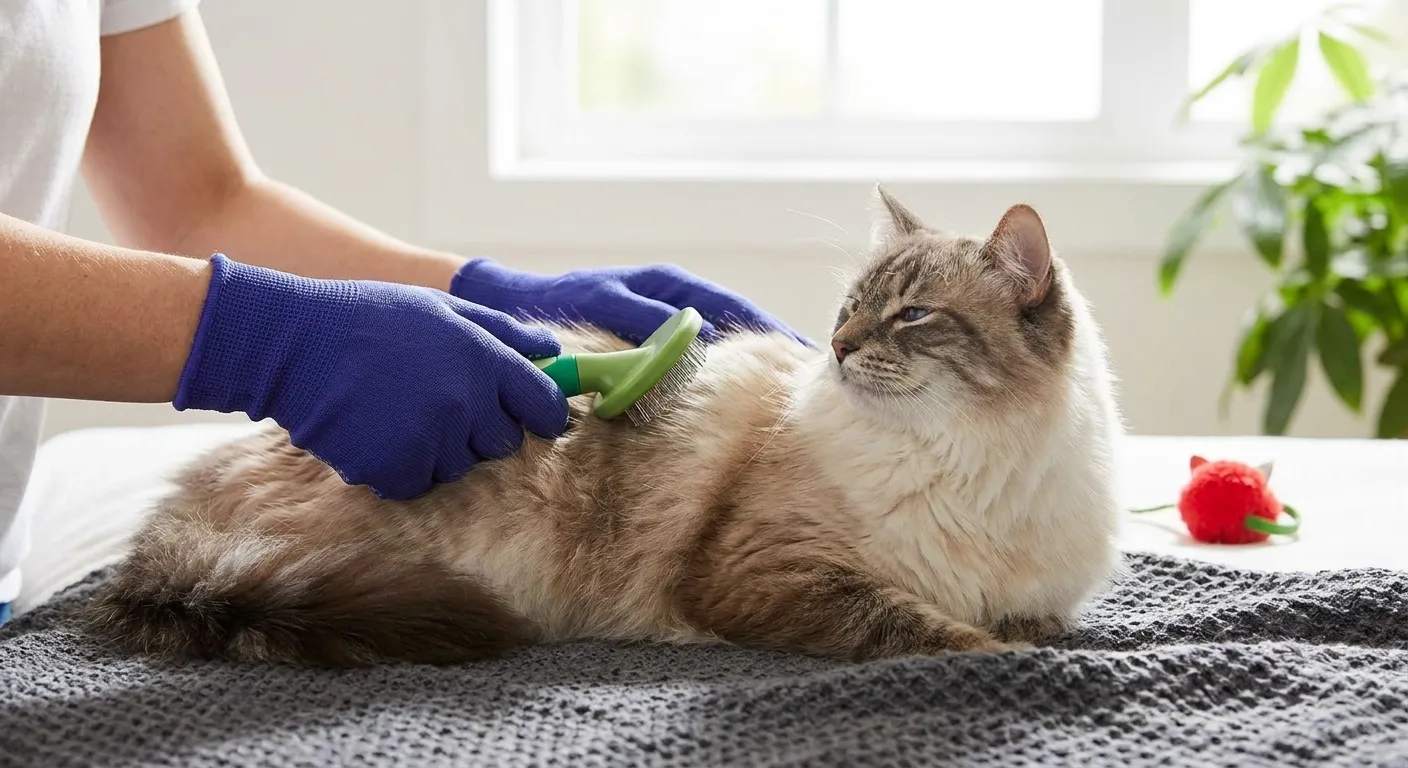
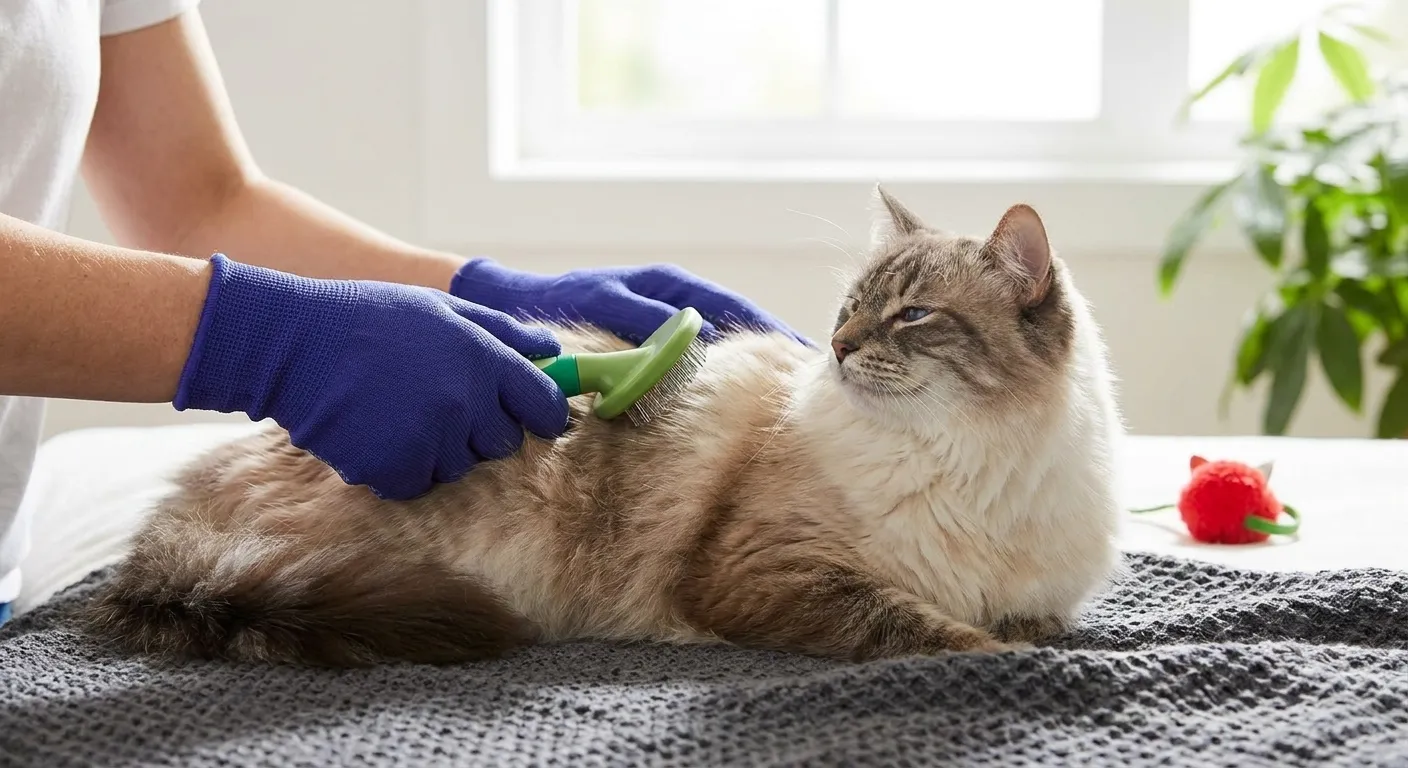
For many cat owners, the thought of regular grooming can conjure images of wrestling matches and scratches. But what if we told you that gentle cat brushing can be a calming, bonding experience for both you and your feline friend? In an era where pet humanization is soaring and grooming is increasingly viewed as a vital part of holistic wellness, understanding how to brush your cat effectively and kindly is more important than ever. At Cat Grooming HQ, we believe that consistent, gentle grooming is a cornerstone of your cat’s comfort and health.
Why Gentle Brushing Matters for Feline Wellness
Regular brushing does far more than just keep your cat looking tidy. It’s a proactive health measure that aligns perfectly with the trend of personalized wellness for pets. Brushing helps to distribute natural skin oils, promoting a shiny, healthy coat, and reduces shedding, which in turn minimizes hairballs – a common concern for cat owners. Beyond the physical benefits, gentle brushing provides a wonderful opportunity for bonding, strengthens your connection, and allows you to routinely check for any skin issues, lumps, or parasites that might otherwise go unnoticed. This preventative care approach is what truly sets dedicated feline grooming apart from general pet maintenance. For more on the benefits, consider our guide on The Benefits of Brushing Your Cat: More Than Just a Pretty Coat.
Essential Tools for a Stress-Free Brushing Session
Before you begin, gathering the right tools is crucial for a positive experience. Forget harsh brushes that can pull or irritate. Instead, opt for cat-specific grooming tools designed for comfort and effectiveness. Consider a soft-bristled brush for short-haired cats, a slicker brush for detangling longer coats, or a grooming glove for a more tactile, massage-like experience. For mats, a wide-toothed comb or a specialized dematting tool might be necessary, but always use with extreme caution. The market is seeing a surge in tech-enhanced, quieter tools and ergonomic designs, making the experience more pleasant for sensitive felines. Remember, sustainable and eco-friendly options, like bamboo brushes, are also trending as owners increasingly prioritize natural and safe products. Explore more about these options in our article on Eco-Friendly Cat Grooming Products: Nurturing Your Feline and the Planet.
Understanding Your Cat’s Body Language During Grooming
Cats communicate their comfort levels through subtle cues. Learning to read these signals is paramount to ensuring a gentle experience. A relaxed cat might purr, knead, or even close their eyes. Signs of discomfort include a swishing tail, flattened ears, dilated pupils, tensing up, or trying to escape. If you notice any of these, pause the session, offer reassurance, and try again later. Never force the interaction; building trust is a gradual process that requires patience and respect for your cat’s boundaries. Short, frequent sessions are far more effective than long, stressful ones. In fact, understanding these signals can help you avoid stressful situations, especially when dealing with Grooming Difficult Cats: Strategies for a Stress-Free Experience.
Step-by-Step Gentle Brushing Techniques
Creating a calm and positive environment is the foundation for successful cat coat care. Choose a quiet time when your cat is relaxed, perhaps after a nap or a meal. A familiar, comfortable spot, like their favorite bed or a soft blanket on your lap, can make a significant difference. Furthermore, ensure there are no loud noises or other pets to distract or startle your feline companion. A peaceful setting encourages your cat to associate brushing with a sense of security and well-being.
Initiating Contact and Building Trust
Begin by gently petting your cat, especially in areas they enjoy, such as their head, chin, or back. Consequently, this helps them relax and associate your touch with pleasure. Introduce the brush slowly, allowing your cat to sniff and investigate it. You might even place a treat near the brush to create a positive association. Start with very short brushing sessions, perhaps just a few strokes, then reward your cat with praise, a small treat, or a favorite toy. This positive reinforcement is key to making the experience enjoyable.
The Art of Gentle Cat Brushing Strokes
When you start brushing, use light, gentle strokes in the direction of hair growth. Avoid pulling or tugging, which can be painful and lead to a negative association with grooming. For short-haired cats, a soft-bristled brush or grooming glove works wonders, removing loose hair and stimulating the skin. For long-haired breeds, a slicker brush or wide-toothed comb is more effective for detangling. Always be mindful of sensitive areas like the belly, tail, and legs. Some cats are more tolerant than others, so observe their reactions carefully. Regular, gentle cat brushing helps prevent mats and tangles, which can become painful if left untreated.
Addressing Mats and Tangles Carefully
Mats can be a significant problem, especially for long-haired cats. If you encounter a mat, do not pull it aggressively. Instead, try to gently tease it apart with your fingers or a wide-toothed comb. For stubborn mats, a specialized dematting tool can be used, but extreme caution is advised to avoid cutting the skin. In fact, if mats are severe or close to the skin, it’s often best to consult a professional groomer or veterinarian. Preventing mats through consistent brushing is always the best approach. You can learn more about prevention in our guide on Prevent Cat Matting: A Comprehensive Guide for Owners.
Concluding the Session Positively
Always end the brushing session on a positive note. Even if it was a short session, offer praise, a treat, or a favorite play session. This reinforces the idea that grooming is a pleasant experience. Gradually increase the duration of your sessions as your cat becomes more comfortable. Consistency is paramount; regular, short sessions are far more beneficial than infrequent, long, and potentially stressful ones. Remember, the goal of gentle cat brushing is not just a tidy coat, but a happy, healthy cat and a stronger bond between you both. For further tips on positive reinforcement, see The Lasting Impact of Positive Post-Grooming Care.
Frequency and Consistency: How Often to Brush Your Cat
The ideal brushing frequency depends largely on your cat’s coat type and lifestyle. Short-haired cats generally benefit from brushing a few times a week to remove loose fur and distribute oils. Conversely, long-haired breeds often require daily brushing to prevent mats and tangles. During shedding seasons, which typically occur in spring and fall, you might need to increase brushing frequency for all coat types. Consistent grooming helps manage shedding effectively and reduces the likelihood of hairballs. Understanding Understanding Cat Shedding: Why Cats Shed and How to Manage It can provide additional insights.
Establishing a routine is essential. For instance, try to brush your cat at the same time each day or several times a week. This predictability can help your cat anticipate the session and become more accepting of it. In fact, a regular schedule transforms brushing from an occasional chore into a normal part of their day. This consistency is a cornerstone of effective feline coat care.
Addressing Common Challenges in Cat Brushing
Even with the best intentions, challenges can arise during cat brushing. Some cats are naturally more resistant to grooming, while others may develop aversion due to past negative experiences. Patience and persistence are your greatest allies. If your cat is particularly resistant, try using a grooming glove first, as it mimics petting and can be less intimidating than a traditional brush. Moreover, consider using calming pheromone sprays or diffusers in the grooming area to help reduce anxiety.
If your cat reacts aggressively, immediately stop the session. Never punish your cat for their reactions; this will only worsen their fear. Instead, shorten the sessions even further and gradually reintroduce the brush. Focus on making each interaction positive, even if it’s just a quick stroke followed by a treat. For particularly challenging cases, consulting a professional cat groomer or a feline behaviorist can provide tailored strategies. They can offer insights into your cat’s specific behaviors and suggest techniques to make the experience more manageable. For example, some cats respond better to brushing when they are slightly sleepy.
Beyond Brushing: Holistic Feline Coat Health
While gentle cat brushing is fundamental, it’s part of a larger picture of holistic feline health. A balanced diet plays a crucial role in maintaining a healthy coat. High-quality cat food rich in essential fatty acids, such as Omega-3 and Omega-6, can significantly improve skin and coat condition, making brushing easier and more effective. Hydration is also vital; ensuring your cat has access to fresh water at all times supports overall health, including skin and fur. A well-hydrated cat often has a more supple skin and a shinier coat.
Regular veterinary check-ups are another critical component. Your vet can identify underlying health issues that might manifest as poor coat condition, excessive shedding, or skin problems. For instance, conditions like allergies, parasites, or nutritional deficiencies can all impact coat health. Early detection and treatment of these issues are key to maintaining your cat’s well-being. Furthermore, don’t forget other grooming aspects like Essential Cat Dental Care at Home: Keep Feline Teeth Healthy and nail trims, which contribute to their overall comfort and health. For more insights into recognizing health indicators through grooming, refer to What Your Cat’s Coat Reveals: Spotting Health Issues During Grooming.
Environmental factors also play a role. Keeping your home clean and free of excessive dust can reduce allergens that might irritate your cat’s skin. Providing enrichment and reducing stress in their environment can also positively impact their overall health, which often reflects in a healthier coat. A stress-free cat is generally a healthier cat. For further reading on feline health, consider resources like the ASPCA’s cat grooming tips or the Cornell Feline Health Center’s information on grooming.
Conclusion: The Reward of Consistent, Gentle Grooming
Embracing gentle cat brushing as a regular part of your routine offers profound benefits, extending far beyond a mere aesthetic improvement. It strengthens the bond you share, fosters trust, and provides invaluable opportunities for health monitoring. By prioritizing your cat’s comfort and understanding their unique needs, you transform grooming from a potential struggle into a cherished ritual. This consistent, gentle approach ensures your feline companion enjoys a happy, healthy coat and a comfortable, stress-free life. At Cat Grooming HQ, we are committed to empowering cat owners with the knowledge and tools to provide the best care for their beloved pets. Remember, a little patience and the right techniques can make all the difference in achieving a purr-fectly groomed and content cat.
FAQ Section
Why is regular brushing important for my cat?
Regular brushing helps remove loose hair, prevents mats and tangles, distributes natural skin oils for a healthy coat, and reduces hairballs. Moreover, it’s an excellent opportunity to bond with your cat and check for any skin issues or parasites.
What kind of brush should I use for my cat?
The best brush depends on your cat’s coat type. Short-haired cats benefit from soft-bristled brushes or grooming gloves. Long-haired cats often require slicker brushes or wide-toothed combs to manage tangles. Always choose tools designed for cats to ensure comfort.
How often should I brush my cat’s fur?
The frequency varies. Short-haired cats typically need brushing a few times a week, while long-haired cats may require daily attention to prevent matting. During shedding seasons, all cats might need more frequent grooming sessions.
What if my cat resists being brushed?
If your cat resists, start with very short sessions and use positive reinforcement like treats and praise. Never force the interaction. Observe their body language for signs of discomfort and stop if they become agitated. You might also try a grooming glove, which feels more like petting, or consult a professional for advice.
Can brushing help reduce cat hairballs?
Yes, regular brushing significantly reduces the amount of loose hair your cat ingests during self-grooming. Consequently, this helps to minimize the formation of hairballs, which can be uncomfortable or even harmful to your feline friend.
