
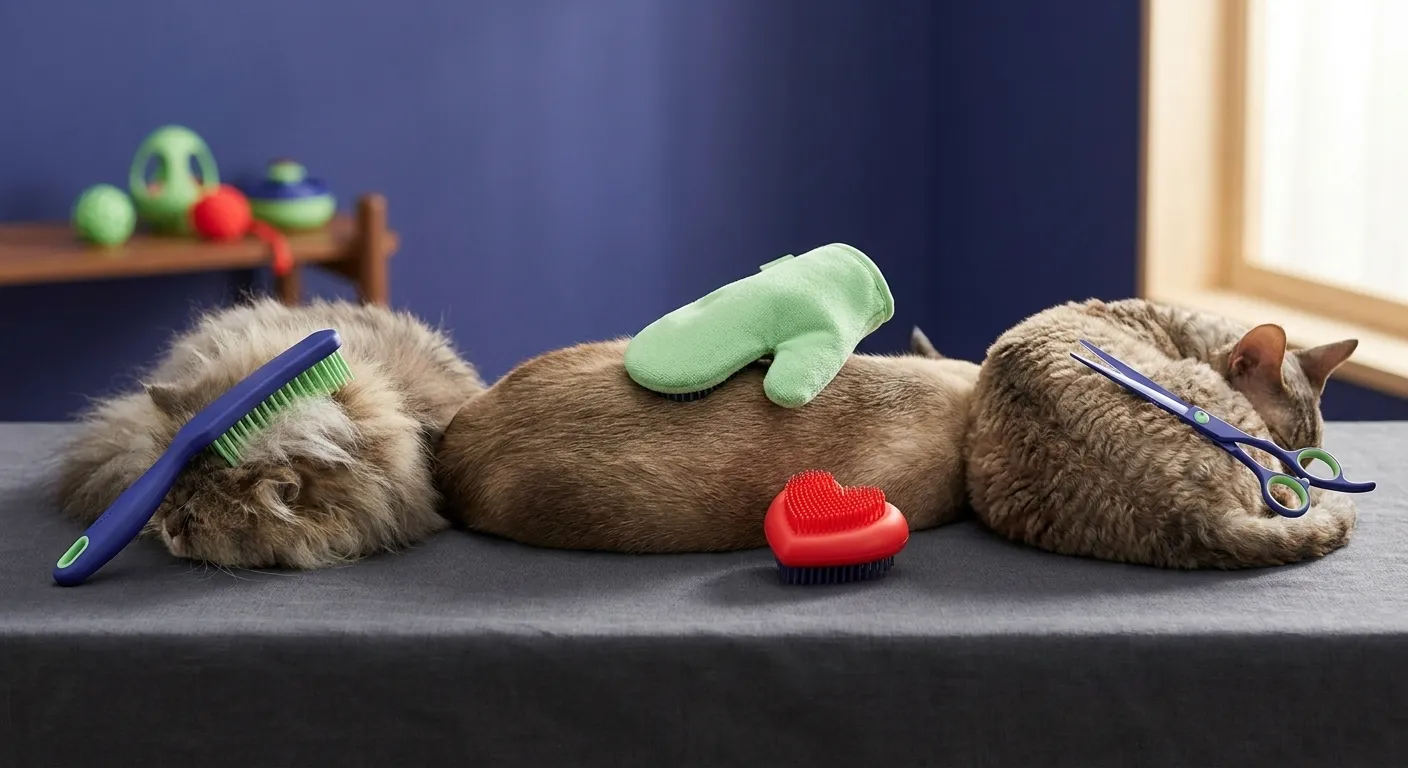
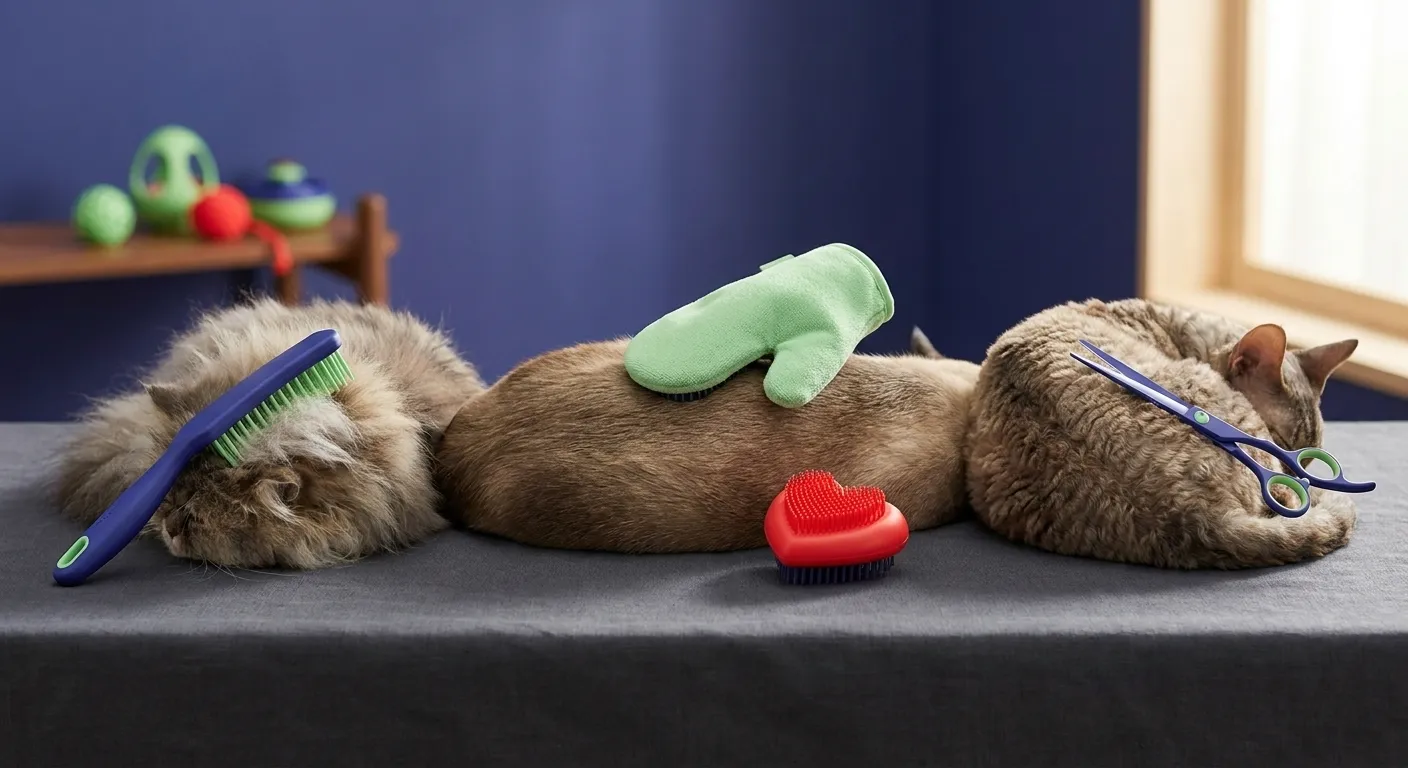
Every cat is unique, and so is their coat. Understanding breed specific cat grooming requirements is essential for providing the best care, ensuring both the beauty and health of your beloved feline. While general grooming advice is helpful, true feline wellness—a cornerstone of the accelerating pet humanization trend—demands a more personalized approach. Just as human skin and hair types vary, so do cat coats, each with distinct needs for brushing, bathing, and preventative care against common skin issues.
Why Breed Matters: The Genetics of Feline Fur
A cat’s breed dictates its coat length, texture, density, and even the presence or absence of an undercoat. These genetic factors directly influence how much shedding occurs, how prone they are to matting, and what kind of grooming tools and frequency they require. The rising demand for personalized grooming plans, based on a cat’s breed, health, and behavior, underscores the importance of moving beyond one-size-fits-all advice.
Long-Haired Breeds: The Majestic Mane
Breeds like Persians, Maine Coons, and Ragdolls are renowned for their luxurious, flowing coats. While beautiful, these coats are prone to matting and tangles if not meticulously cared for. Their dense undercoats can also lead to significant shedding and hairball issues. Consequently, consistent grooming is vital for these breeds.
- Persian Cats: Known for their long, fine fur and flat faces. Daily brushing with a wide-toothed comb and a slicker brush is crucial to prevent mats, especially around the ruff, armpits, and hindquarters. Due to their facial structure, regular cleaning of tear stains is also necessary. Baths every 4-6 weeks can help maintain coat health and prevent grease build-up.
- Maine Coons: Possess a shaggy, water-resistant, semi-long coat with a dense undercoat. They require daily brushing to prevent tangles and reduce shedding. Their bushy tails also need attention. While generally good self-groomers, occasional baths can help manage their coat and skin health.
- Ragdolls: Famous for their soft, semi-long, rabbit-like fur that is less prone to matting than other long-haired breeds due to a lack of a dense undercoat. Nevertheless, weekly brushing with a slicker brush and metal comb is recommended to keep their coats smooth and free of knots.
- Grooming Focus: Gentle, consistent brushing is key. Consider specialized de-matting tools for small tangles, but severe mats should be handled by a professional groomer to avoid pain. Regular use of a grooming spray can help reduce static and make brushing easier. For more in-depth advice on preventing tangles, read our guide on Prevent Cat Matting: A Comprehensive Guide for Owners.
Short-Haired Breeds: Sleek and Chic
While often perceived as low-maintenance, short-haired breeds like Siamese, Burmese, and Domestic Shorthairs still benefit immensely from regular grooming. Their coats are typically sleek and lie close to the body, but they still shed and can develop skin issues. Therefore, understanding their specific requirements is important.
- Siamese Cats: Have a short, fine, glossy coat that requires minimal brushing, perhaps once or twice a week with a rubber curry brush or grooming mitt to remove loose hairs and stimulate circulation. They generally enjoy the attention.
- Domestic Shorthairs: Their coats vary widely but are generally easy to maintain. Weekly brushing with a rubber grooming mitt or a soft bristle brush helps remove loose hair, reduce shedding, and distribute natural oils. This also provides an excellent opportunity for bonding.
- Burmese Cats: Feature a very short, fine, and glossy coat that lies close to the body. They shed minimally. A weekly wipe-down with a damp cloth or a quick brush with a soft rubber brush is usually sufficient to keep their coat gleaming.
- Grooming Focus: Regular brushing, even for short-haired cats, improves circulation and reduces the amount of hair ingested during self-grooming, thus helping to prevent hairballs. For more on this, explore our article on The Benefits of Brushing Your Cat.
Hairless and Rex Breeds: Unique Textures and Needs
Certain breeds present unique grooming challenges and rewards. Hairless cats, like the Sphynx, and those with unusual coat textures, such as the Devon Rex and Cornish Rex, require special attention to their skin and fur.
- Sphynx Cats: Despite being hairless, Sphynx cats are not maintenance-free. Their skin produces natural oils that would typically be absorbed by fur, leading to a sticky residue. Regular weekly baths with a gentle cat shampoo are essential to prevent skin issues and keep them clean. Furthermore, their large ears also need frequent cleaning.
- Devon Rex and Cornish Rex: These breeds have short, wavy, or curly coats due to genetic mutations. Their fur is delicate and can be prone to breakage. Gentle brushing with a very soft brush or a grooming mitt a few times a week is usually enough. Over-brushing can damage their unique coats.
- Grooming Focus: For hairless breeds, skin care is paramount. Sun protection and moisturizing can be necessary. For Rex breeds, gentle handling to preserve their delicate coat texture is crucial.
Essential Grooming Tools for Every Coat Type
Having the right tools is fundamental to effective breed specific cat grooming. Different coats necessitate different brushes, combs, and even shampoos. Investing in quality grooming supplies will make the process easier and more enjoyable for both you and your cat.
- Slicker Brushes: Excellent for removing loose fur and detangling mats in long-haired breeds.
- Metal Combs: Useful for checking for mats and tangles, particularly in dense coats.
- Rubber Curry Brushes/Grooming Mitts: Ideal for short-haired cats to remove loose fur, massage the skin, and distribute natural oils.
- De-shedding Tools: Can be highly effective for breeds with dense undercoats, helping to reduce shedding significantly.
- Cat-Specific Shampoos and Conditioners: Always use products formulated for felines to avoid skin irritation.
- Nail Clippers: Regular Stress-Free Cat Nail Trimming is vital for all cats, regardless of breed, to prevent overgrowth and discomfort.
Remember, the goal is to make grooming a positive experience. Therefore, introduce tools gradually and offer rewards.
Understanding Shedding and Matting Across Breeds
Shedding is a natural process for most cats, but its intensity varies greatly by breed. Long-haired breeds, especially those with dense undercoats, tend to shed more and are highly susceptible to matting. However, even short-haired cats shed, and managing this is part of their routine care. For instance, a Persian will require more frequent brushing to manage shedding and prevent mats compared to a Domestic Shorthair.
Matting occurs when shed fur intertwines and forms dense knots, often pulling on the skin and causing pain or skin infections. This is particularly prevalent in breeds with fine, long hair or dense undercoats. Regular brushing is the best defense. For comprehensive strategies, refer to our article on Preventing Cat Hairballs and Mats: A Holistic Approach to Feline Coat Health.
The Role of Diet and Health in Coat Condition
Beyond breed specific cat grooming, a cat’s overall health and diet play a significant role in the condition of their coat. A balanced diet rich in essential fatty acids (like Omega-3 and Omega-6) contributes to a healthy, shiny coat and supple skin. Conversely, a poor diet can lead to dull fur, excessive shedding, and skin problems. Furthermore, underlying health issues can manifest as changes in coat quality, such as dryness, greasiness, or hair loss. Hence, always consult your vet if you notice sudden changes.
Regular veterinary check-ups are crucial for identifying and addressing any health concerns that might impact your cat’s skin and coat. For instance, parasites, allergies, or hormonal imbalances can all affect fur quality. Spotting these issues early during grooming sessions is incredibly beneficial. Learn more about What Your Cat’s Coat Reveals: Spotting Health Issues During Grooming.
Beyond the Coat: Other Breed-Specific Considerations
Breed specific cat grooming extends beyond just the fur. Certain breeds have predispositions to other grooming-related issues:
- Ear Care: Breeds with large, open ears (e.g., Oriental Shorthairs) may require more frequent ear checks and cleaning.
- Eye Care: Flat-faced breeds (e.g., Persians) often experience tear staining that needs daily gentle wiping.
- Dental Health: While not strictly breed-specific, some breeds might be more prone to dental issues. However, Essential Cat Dental Care at Home is important for all felines.
Always tailor your approach to your individual cat’s needs and temperament. For instance, if you have a nervous cat, consider strategies for Grooming Difficult Cats: Strategies for a Stress-Free Experience.
The Importance of Professional Grooming for Certain Breeds
While home grooming is highly encouraged, some breeds, particularly those with complex coats or severe matting issues, greatly benefit from professional grooming. A professional groomer has the expertise, tools, and facilities to handle challenging situations safely and effectively. They can also offer advice tailored to your cat’s specific needs, helping you refine your home grooming routine. This can be particularly true for breeds like Persians, which often require meticulous attention.
For example, a professional groomer can safely remove severe mats that could cause pain or injury if attempted at home. They can also provide specialized services like lion cuts for long-haired cats to help manage heat and matting during warmer months. Furthermore, they use high-quality products and techniques that might be difficult to replicate at home. Research shows that regular professional grooming can significantly improve a pet’s quality of life, especially for those with high-maintenance coats. See insights from the ASPCA on cat grooming for more general guidance.
Creating a Personalized Grooming Schedule
The key to successful breed specific cat grooming is consistency and a personalized schedule. Based on your cat’s breed, coat type, lifestyle, and temperament, you can create a routine that works best for both of you. Consider factors like:
- Brushing Frequency: Daily for long-haired, a few times a week for short-haired, and weekly for hairless or Rex breeds.
- Bathing Schedule: Varies greatly. Sphynx cats might need weekly baths, while many short-haired cats rarely need one. Always use cat-specific shampoos.
- Nail Trimming: Typically every 2-4 weeks for all breeds.
- Ear and Eye Cleaning: As needed, especially for predisposed breeds.
Consistency builds trust and makes the grooming process less stressful. Moreover, always conclude grooming sessions with positive reinforcement. This helps create a positive association with grooming, making future sessions easier. The Humane Society offers valuable tips on grooming cats, emphasizing positive experiences.
Conclusion: Embracing Tailored Feline Care
Breed specific cat grooming is not just a luxury; it’s a fundamental aspect of responsible pet ownership. By understanding the unique needs of your cat’s breed, you can provide tailored care that promotes their health, comfort, and overall well-being. From the daily brushing of a majestic Maine Coon to the regular baths of a hairless Sphynx, each grooming action contributes to a happier, healthier feline. Embrace this personalized approach, and you’ll strengthen the bond with your beloved companion, ensuring their coat remains beautiful and their skin stays healthy for years to come.
FAQ: How often should I brush my long-haired cat?
Long-haired cats, such as Persians and Maine Coons, generally require daily brushing. Their dense coats are prone to matting and tangles, so consistent daily attention helps prevent these issues and reduces shedding.
FAQ: Do hairless cats need grooming?
Yes, hairless cats like the Sphynx require specific grooming. While they don’t have fur to brush, their skin produces natural oils that need to be washed off regularly. Weekly baths with a gentle cat shampoo are typically necessary to keep their skin clean and healthy.
FAQ: What kind of brush is best for a short-haired cat?
For short-haired cats, a rubber curry brush or a grooming mitt is often best. These tools effectively remove loose hair, stimulate circulation, and distribute natural oils, leaving their coat sleek and shiny without irritating their skin.
FAQ: Can grooming prevent cat hairballs?
Regular grooming, especially brushing, significantly helps in preventing hairballs. By removing loose fur from your cat’s coat, you reduce the amount of hair they ingest during self-grooming, thereby minimizing the formation of hairballs.
FAQ: Is professional feline coat care necessary for all cat breeds?
Professional feline coat care is not strictly necessary for all breeds, but it can be highly beneficial for some, particularly long-haired breeds prone to severe matting or those with complex grooming needs. Professionals have specialized tools and expertise to handle challenging situations safely and effectively.
FAQ: How does diet impact a cat’s coat health?
A cat’s diet profoundly impacts their coat health. A balanced diet rich in essential fatty acids (Omega-3 and Omega-6) supports a healthy, shiny coat and supple skin. Conversely, a poor diet can lead to a dull coat, excessive shedding, and various skin problems.
