
Introducing your kitten to grooming early sets the stage for a lifetime of positive experiences. Mastering Kitten Grooming Basics from a young age helps prevent future stress, making essential care like brushing and nail trims much easier as they grow. This gentle introduction also strengthens your bond and helps your kitten associate grooming with comfort and affection rather than fear. Establishing a routine now means a healthier, happier cat later on. In fact, early positive exposure can significantly reduce the need for more intensive interventions later.
Furthermore, consistent early grooming helps you identify any potential health issues sooner. You’ll become familiar with your kitten’s skin, coat, and body, noticing changes that might indicate a problem. This proactive approach is invaluable for their overall well-being. Ultimately, the goal is to create a calm and enjoyable experience for both you and your new feline companion.
Gentle Introduction to Brushing and Handling
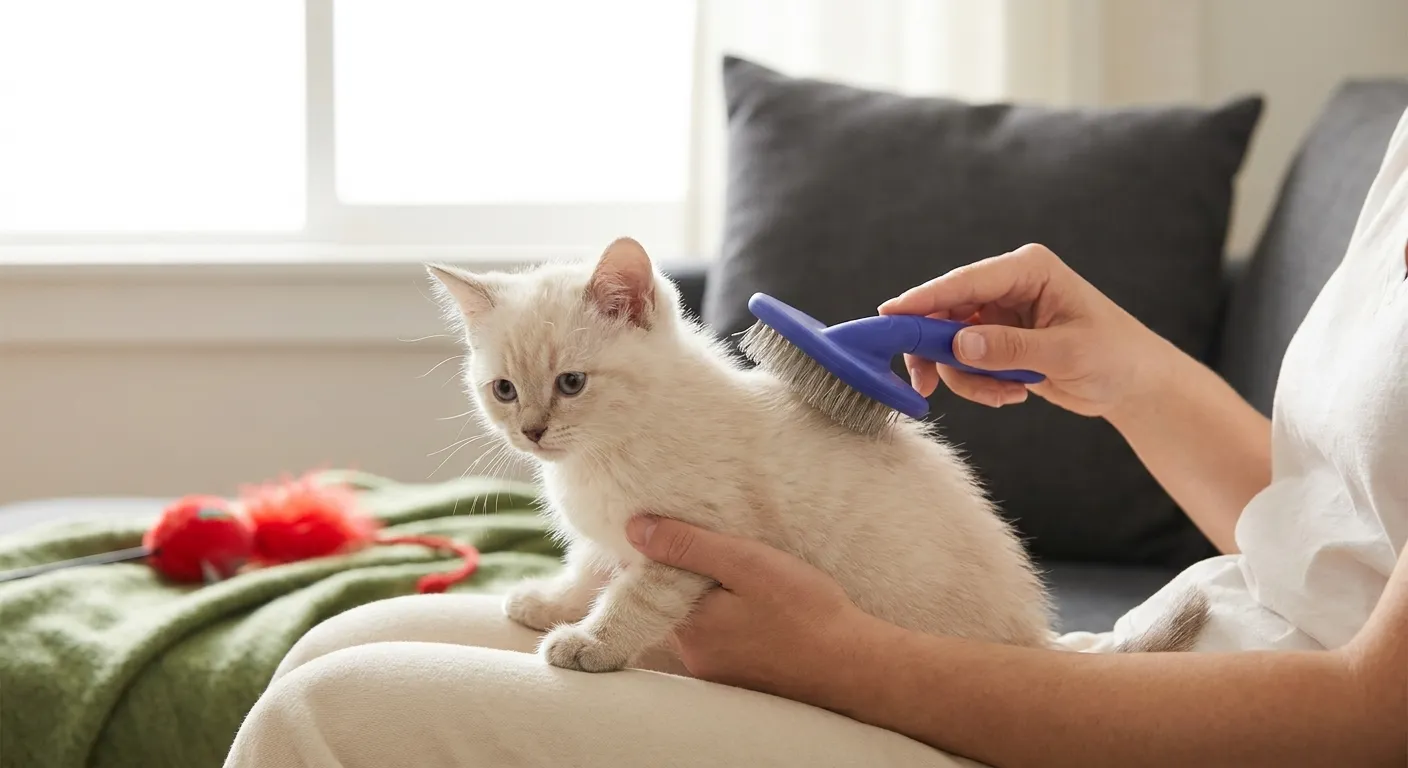
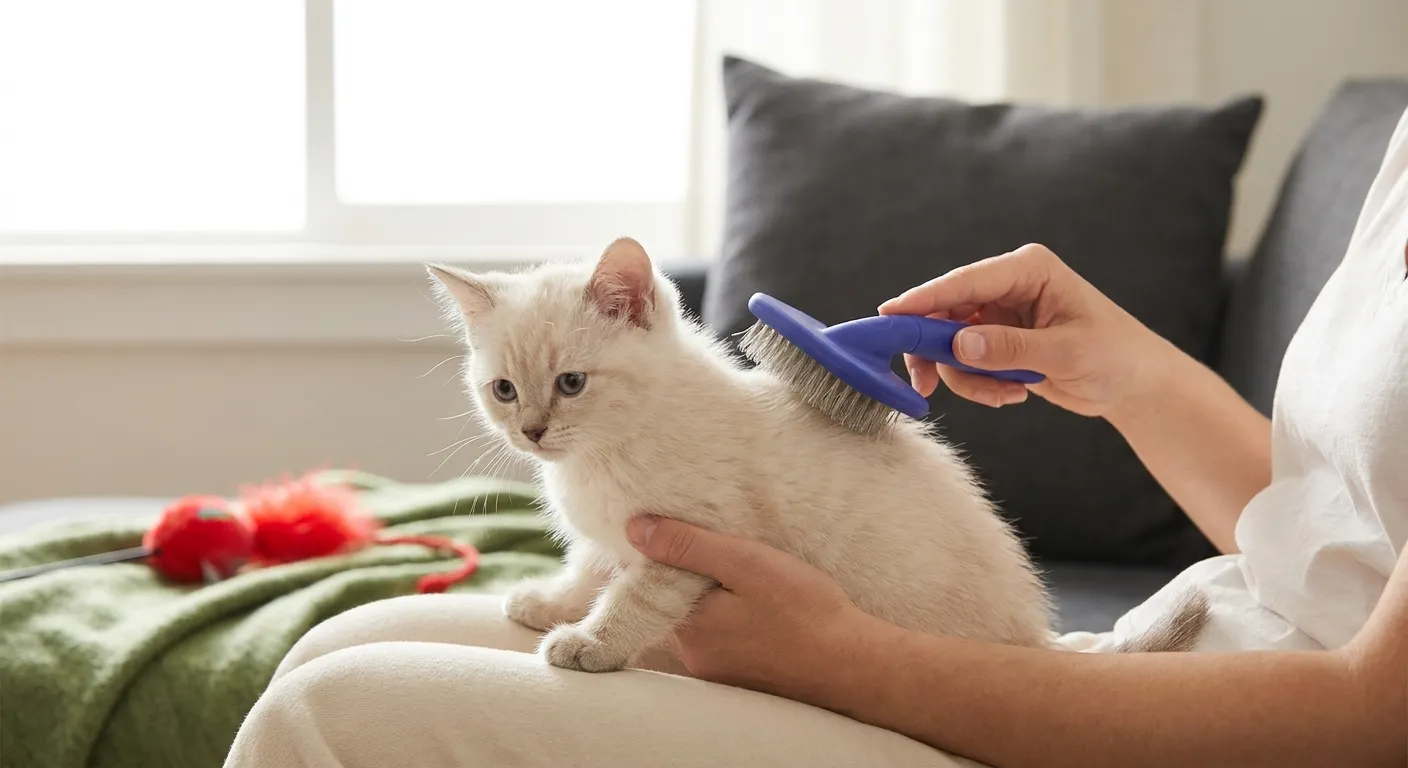
Start with very short, positive brushing sessions. Use a soft kitten-specific brush or even a toothbrush designed for pets. Begin by gently stroking their fur for just a minute or two, rewarding them with treats and praise. Focus on areas they enjoy being touched, gradually extending to more sensitive spots. For instance, many kittens enjoy a gentle brush along their back. Simultaneously, get them used to having their paws handled and ears gently examined. This desensitization is crucial for future nail trims and ear cleaning. The key is consistency and positive reinforcement, ensuring each session ends on a good note before they become agitated. Therefore, always keep sessions brief and positive. You can learn more about the broader advantages by reading our guide on The Benefits of Brushing Your Cat: More Than Just a Pretty Coat.
Moreover, establishing a regular brushing routine from kittenhood helps manage shedding and prevents matting. This is especially important for long-haired breeds. Regularly removing loose fur also reduces the likelihood of hairballs, which can be uncomfortable and sometimes lead to health complications. Consequently, a small investment of time now can save much effort later. Consider using a grooming glove for very young kittens, as it mimics petting and can be less intimidating than a brush. Always speak in a soothing voice and offer plenty of positive affirmations during these sessions. Consistency truly is key.
Essential Early Nail Care and Hygiene
Regular nail checks and trims are fundamental Kitten Grooming Basics. Even as kittens, their claws can be sharp. Start by simply touching their paws and gently pressing on their toe beans to extend the claws, rewarding them immediately. Once comfortable, introduce appropriate kitten nail clippers, trimming only the very tip, avoiding the quick. If you’re unsure, just practice holding the clippers near their paw and rewarding them. Never force the issue; rather, make it a gradual process. Additionally, keep an eye on their rear end for any cleanliness issues, especially if they have longer fur, and gently clean with a warm, damp cloth if needed. Early hygiene practices prevent discomfort and potential health problems. For more detailed advice, explore our article on Stress-Free Cat Nail Trimming: A Gentle Guide for Anxious Felines.
Furthermore, early exposure to nail trims makes the process less stressful as your kitten grows into an adult cat. If they only experience nail trims as a negative event, they will likely resist it more forcefully in the future. Therefore, short, positive sessions are paramount. Consider offering a special treat they only get during nail trims. This creates a strong positive association. Similarly, regularly checking their ears and gently wiping them with a vet-approved cleaner (if advised by your vet) can prevent wax buildup and infections. Pay attention to any unusual smells or redness, as these could indicate a problem requiring veterinary attention. Remember, patience is a virtue in all aspects of early pet care.
Introducing Water and Bathing (If Necessary)
While many cats are self-cleaning, some situations might require a bath, even for kittens. Introducing water in a positive way can be beneficial. Start by letting your kitten play with a small amount of water in a shallow basin, perhaps with a floating toy. Never force them into water. If a bath is necessary, use lukewarm water and cat-specific shampoo. Keep the experience brief and positive, with plenty of praise and treats afterward. For instance, a small, warm towel can make them feel secure. You can find comprehensive guidance in our article, Cat Bathing Basics: When and How to Bathe Your Feline Friend. Ultimately, the goal is to make any necessary bathing as stress-free as possible.
Moreover, some breeds of cats, such as Sphynx cats, require more frequent bathing due to their lack of fur. For these breeds, early positive introductions to water are even more critical. Even for other breeds, having a cat that tolerates water can be a lifesaver in case of accidents or if they get into something messy. Always ensure the bathroom is warm and secure. Dry your kitten thoroughly with a soft towel immediately after the bath, and keep them in a warm place until completely dry. This prevents them from getting chilled. Consider consulting your veterinarian if you are unsure about the need for bathing or the best products to use.
Understanding Your Kitten’s Coat and Skin Health
As you engage in Kitten Grooming Basics, pay close attention to your kitten’s coat and skin. A healthy coat is usually shiny and smooth, without flakes or excessive oiliness. Run your hands through their fur regularly to check for any lumps, bumps, or parasites like fleas and ticks. Early detection of these issues allows for quicker treatment and prevents discomfort for your kitten. Observing their coat can also provide clues about their overall health. For example, dull fur or excessive shedding might indicate a nutritional deficiency. Our article What Your Cat’s Coat Reveals: Spotting Health Issues During Grooming provides valuable insights.
Furthermore, different coat types require different grooming approaches. Long-haired kittens, for instance, will need more frequent brushing to prevent mats and tangles. Short-haired kittens might only need a weekly brush to remove loose fur. Regularly checking their skin for dryness, redness, or lesions is also important. These could be signs of allergies, skin infections, or other underlying health conditions. If you notice anything unusual, it’s always best to consult your veterinarian. Early intervention is often key to resolving skin and coat issues effectively. Therefore, make this visual inspection a routine part of your grooming sessions.
Building a Positive Grooming Routine
Consistency is paramount when establishing a grooming routine. Aim for short, frequent sessions rather than long, infrequent ones. This keeps the experience positive and prevents your kitten from becoming overwhelmed. Choose a quiet time when your kitten is relaxed, perhaps after a play session or a meal. Use a calming voice and gentle movements. Always end on a good note, even if you only managed a few strokes of the brush or one nail trim. This reinforces the idea that grooming is a pleasant activity. Over time, these brief positive encounters will build into a robust and stress-free routine.
Moreover, incorporate treats and praise generously. Positive reinforcement is the most effective way to teach your kitten to tolerate and even enjoy grooming. You can also introduce grooming tools gradually. For example, let your kitten sniff and investigate the brush or clippers before you even use them. This familiarity helps reduce anxiety. Remember that every kitten is an individual, and some may take longer to adjust than others. Therefore, be patient and adapt your approach to your kitten’s personality. A calm and confident approach from you will help your kitten feel secure. For more tips on maintaining a positive environment, consider our guide on The Lasting Impact of Positive Post-Grooming Care.
Addressing Common Kitten Grooming Challenges
Even with the best intentions, you might encounter some challenges when teaching Kitten Grooming Basics. Some kittens are naturally more resistant to handling or specific tools. If your kitten becomes agitated, stop the session and try again later. Never punish them for resistance, as this will only create negative associations. Instead, break down the grooming tasks into even smaller steps. For instance, if nail trims are difficult, start by just touching their paw, then touching a single toe, then pressing a toe bean, and so on. Reward each tiny step of progress. This method, known as desensitization and counter-conditioning, is highly effective. You might also find it helpful to consult resources like the ASPCA for further advice on handling difficult pets: ASPCA Cat Grooming Tips.
Furthermore, ensure your grooming tools are appropriate for kittens. Using adult-sized clippers on tiny kitten nails can be intimidating and less precise. Similarly, a harsh brush can irritate their delicate skin. Investing in good quality, kitten-specific tools makes a significant difference. If your kitten is particularly squirmy, try wrapping them gently in a towel (a ‘purrito’) for short periods, especially for nail trims. This can provide a sense of security and limit movement. However, always ensure they are not stressed by this. If they show signs of extreme distress, release them and try a different approach. For persistent challenges, consider consulting a professional groomer or your veterinarian for personalized advice. Sometimes a professional can offer techniques or insights that are difficult to discover on your own.
The Long-Term Benefits of Early Grooming
By prioritizing Kitten Grooming Basics, you’re not just maintaining their physical appearance; you’re fostering a calm demeanor towards essential health practices. These early positive experiences will make future grooming sessions a breeze for both you and your feline companion. A well-groomed cat is generally a healthier and happier cat. Regular grooming helps prevent common issues like matting, skin infections, and dental problems. In fact, a study published in the Journal of Feline Medicine and Surgery highlights the importance of early socialization and positive handling for feline welfare, which directly applies to grooming.
Moreover, the time spent grooming strengthens the bond between you and your kitten. It’s a quiet, intimate moment that builds trust and affection. Your kitten learns to associate your touch with comfort and care. This bond is invaluable and contributes significantly to their overall emotional well-being. Ultimately, investing time in these fundamental kitten grooming practices during their formative months will pay dividends throughout their entire life. You’ll have a cat that is not only beautiful and healthy but also comfortable with handling, making veterinary visits and other necessary care much less stressful for everyone involved. Therefore, embrace these moments with your young feline friend.
Conclusion
Starting with Kitten Grooming Basics is one of the most important steps you can take as a new cat owner. It lays the groundwork for a lifetime of health, comfort, and positive interactions. By introducing brushing, nail care, and handling in a gentle, consistent, and reward-based manner, you teach your kitten that grooming is a pleasant and safe experience. Remember to be patient, use appropriate tools, and always prioritize positive reinforcement. These early efforts will not only keep your kitten looking and feeling their best but also deepen the special bond you share, ensuring a harmonious life together. Embrace the journey of nurturing your kitten into a well-adjusted, confident, and beautifully groomed adult cat.
FAQ
What is the best age to start grooming a kitten?
The ideal time to begin grooming is as soon as you bring your kitten home, usually around 8-12 weeks old. Starting early helps them become accustomed to handling and tools before they develop any fears or resistances.
How often should I brush my young cat?
For most short-haired kittens, a few times a week is sufficient. Long-haired breeds may require daily brushing to prevent mats. The key is consistency and short, positive sessions to build a good routine.
What tools do I need for initial kitten care?
You’ll need a soft kitten-specific brush, appropriate kitten nail clippers, and potentially a soft, damp cloth for hygiene. Always choose tools designed for their small size and delicate skin.
Can I give my kitten a bath?
Most kittens do not require frequent bathing unless they are very dirty or have a specific skin condition. If a bath is necessary, use lukewarm water and a cat-specific shampoo, keeping the experience brief and positive. Always consult your vet if you are unsure.
How do I make nail trimming less stressful for my feline?
Introduce nail clippers gradually, starting by just touching their paws and rewarding them. Trim only the very tip of the nail, avoiding the quick, and offer treats and praise during and after each session. Keep sessions short and positive, stopping before they get agitated.
