
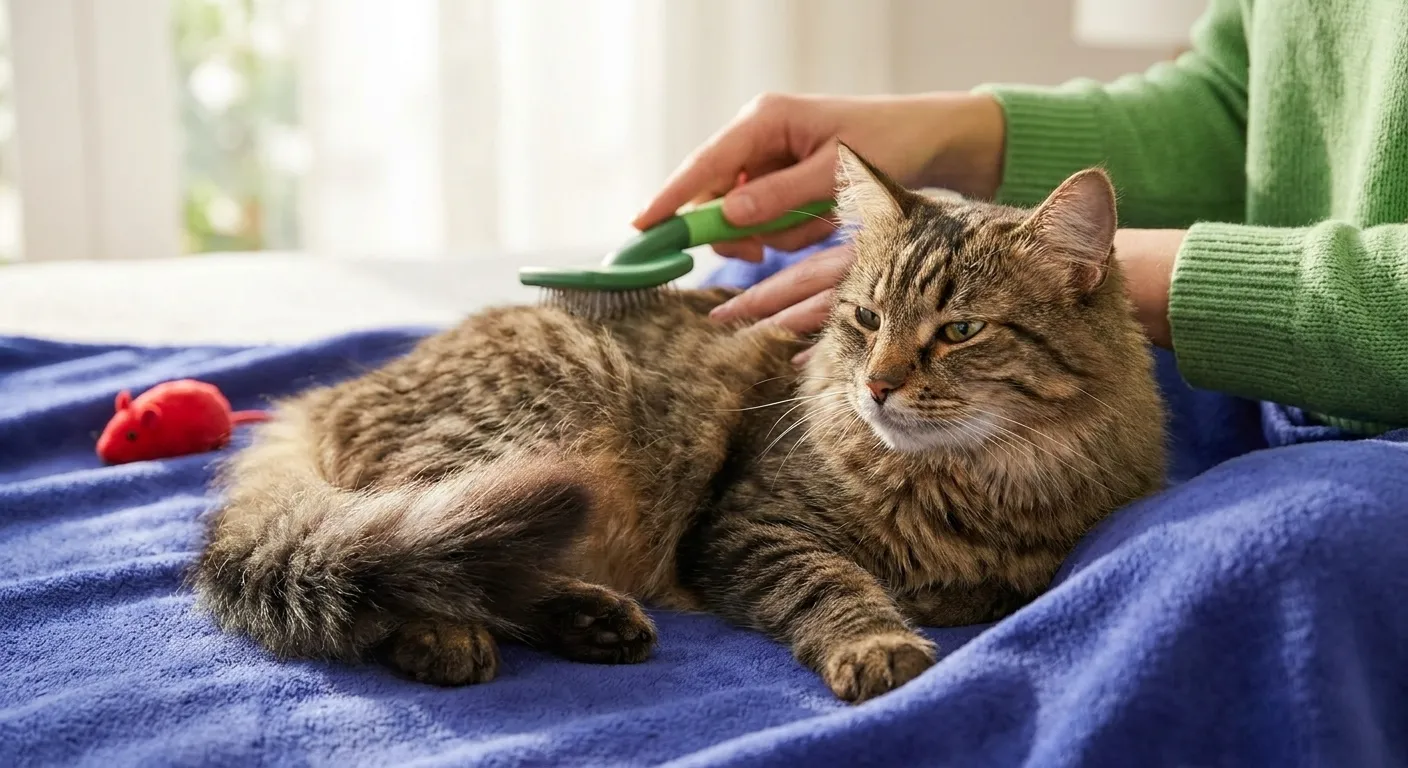
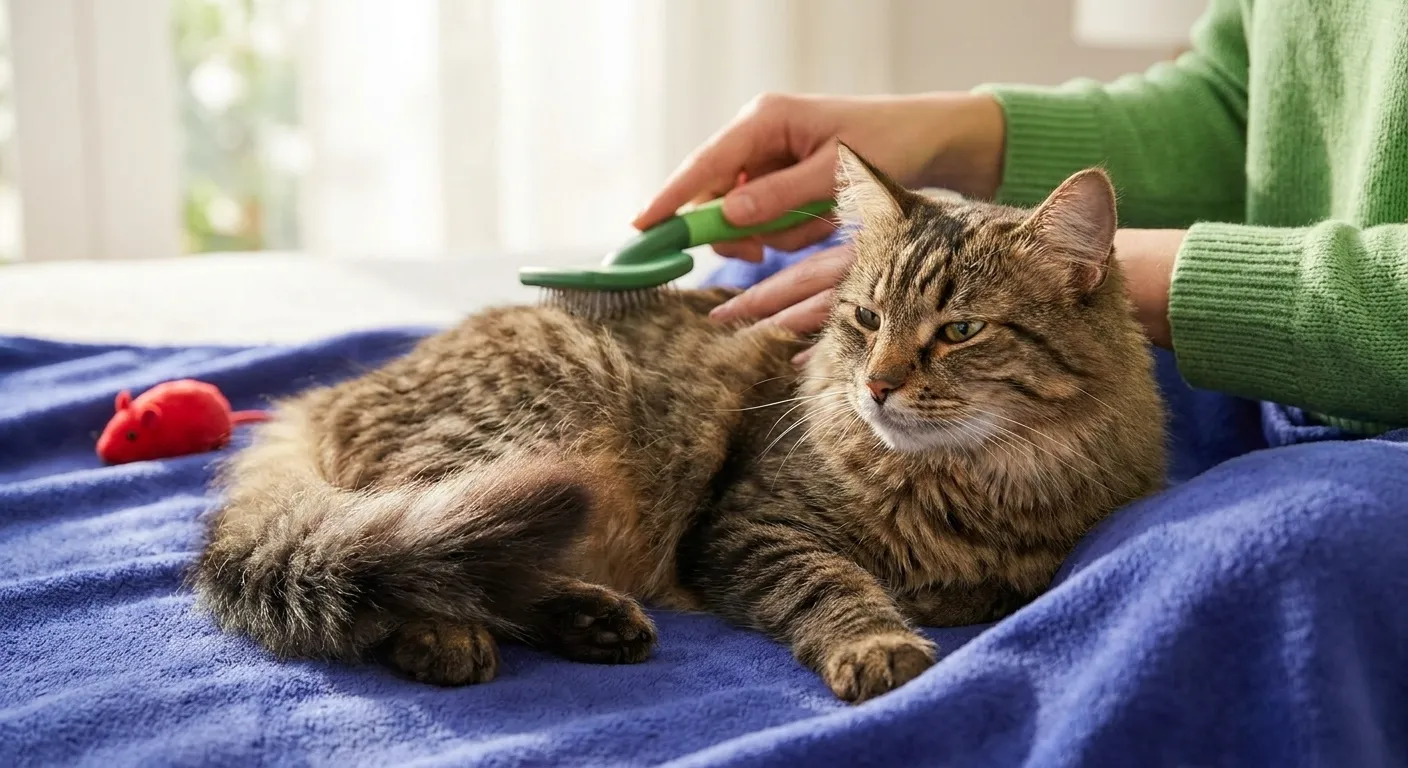
The humanization of pets means we’re increasingly attuned to our furry companions’ emotional states. For cat owners, this extends to understanding their subtle signals during grooming. Mastering cat body language grooming is not just a skill; it’s an act of empathy that ensures every session is positive, stress-free, and strengthens the unique bond you share. Ignoring these cues can turn a necessary health practice into a source of fear and anxiety for your feline friend.
The Importance of Understanding Feline Grooming Cues
Unlike dogs, cats often express discomfort subtly. A slight twitch of an ear or a stiffening of the tail can speak volumes. Recognizing these signals is crucial for adapting your approach and preventing escalation to more overt signs of distress. Consequently, understanding these cues helps maintain a positive experience for your pet.
A Silent Dialogue During Grooming
Your cat is constantly communicating through their posture, ears, eyes, tail, and even whiskers. Learning to interpret this silent dialogue during grooming allows you to respond effectively, making the experience more comfortable and less intimidating for them. This aligns with the trend of personalized grooming, where an understanding of your cat’s unique behavioral needs is paramount. Furthermore, it fosters a deeper connection between you and your feline companion.
Preventing Stress and Injury During Grooming
Pushing a cat beyond their comfort level can lead to bites, scratches, and a permanent aversion to grooming. By recognizing early signs of stress, you can pause, reassure, or even end the session, preventing both physical injury and emotional trauma. Therefore, paying close attention to grooming difficult cats becomes much easier. In fact, a proactive approach significantly reduces risks.
Happy Cat, Happy Grooming: Signs of Contentment
When your cat is enjoying or tolerating grooming, their body language will reflect it. Observing these positive signals helps reinforce good behavior and makes future sessions smoother. Moreover, it confirms that your grooming technique is effective and comfortable for your cat.
Relaxed Posture and Facial Cues
Look for a relaxed body, perhaps even leaning into your touch. Their ears will be forward or in a neutral position, eyes soft and possibly half-closed. A slow blink often indicates trust and contentment. Whiskers will be relaxed and pointing forward or slightly to the side. These are all positive indicators during cat body language grooming.
Purrs and Head Bumps
A gentle purr is a classic sign of happiness. Some cats may even offer head bumps or knead you with their paws, indicating they feel safe and affectionate. These are clear signals that your approach is working and your cat is enjoying the interaction. Consequently, you can continue the grooming session with confidence.
When Your Cat Says “No”: Recognizing Stress Signals
It’s vital to recognize when your cat is uncomfortable. Early intervention can prevent a full meltdown. Therefore, paying attention to subtle shifts in behavior is essential. Ignoring these warnings can lead to a negative association with grooming.
Ears, Eyes, and Tail as Indicators
Ears flattened against the head, rotated sideways, or constantly swiveling can indicate irritation or fear. Dilated pupils, a hard stare, or darting eyes suggest anxiety. A tail tucked tightly between the legs, thumping rapidly, or held low and stiff are all signs of stress. These are crucial indicators in cat body language grooming. Indeed, these cues demand immediate attention.
Vocalizations and Piloerection
While purring is good, growling, hissing, or low moans are clear warnings. Piloerection – when the fur along their spine stands on end – is another strong sign of fear or aggression. Furthermore, a cat may swat or attempt to bite if feeling threatened. Respecting these vocal and physical warnings is paramount for a safe grooming experience. For example, if you hear a growl, it’s time to pause.
The Role of Whiskers and Mouth Cues
Whiskers pulled back tightly against the face or splayed out stiffly can indicate tension. A tightly closed mouth or lip licking (when not eating) can also signal stress or nausea. Conversely, a relaxed cat will have whiskers that are neutral and a soft mouth. Observing these details provides further insight into your cat’s emotional state during grooming. In fact, even subtle changes can be significant.
Adapting Your Approach: Strategies for Stress-Free Grooming
Once you understand your cat’s signals, you can adjust your grooming routine to their comfort level. This proactive approach minimizes stress and builds trust. Therefore, flexibility is key to successful at-home grooming.
Short Sessions and Positive Reinforcement
If your cat shows signs of stress, keep grooming sessions short and frequent. End on a positive note, even if it’s just a few strokes. Offer treats, praise, or playtime immediately afterward. This creates a positive association with grooming. For instance, a small, tasty treat can make a big difference. Similarly, linking grooming to rewards helps your cat relax.
Creating a Calm Environment
Choose a quiet time and place for grooming. Reduce loud noises and distractions. Use calming pheromone sprays or diffusers if your cat is particularly anxious. A calm environment contributes significantly to a successful grooming session. Moreover, consistency in location and time can help your cat anticipate the routine without fear. Consider checking out The Lasting Impact of Positive Post-Grooming Care for more tips.
Gentle Handling and Proper Tools
Always use a gentle touch. Support your cat’s body and avoid restricting them unless absolutely necessary and done with great care. Ensure you have the right tools for the job, such as soft brushes for sensitive areas. For example, a good quality brush can make the benefits of brushing your cat even greater. Proper tools also prevent discomfort and injury.
Specific Grooming Situations and Body Language
Different grooming tasks might elicit different reactions. Understanding these nuances helps you tailor your approach for each specific activity. Furthermore, recognizing patterns in your cat’s reactions can inform future grooming strategies.
Nail Trimming Cues
During stress-free cat nail trimming, watch for paw withdrawal, vocalizations, or tail twitching. If your cat resists, try trimming one or two nails at a time over several sessions. Gradually, they may become more accustomed to the process. Indeed, patience is vital here.
Brushing and Coat Care
Some cats love brushing, while others tolerate it or dislike it. Pay attention to how they react to different brush types and areas of their body. If they flatten their ears, stop immediately. Consequently, choosing the right brush is essential for pleasant cat body language grooming. Moreover, identifying sensitive spots helps avoid discomfort.
Bathing Signals
Bathing is often the most stressful grooming activity for cats. Look for extreme attempts to escape, hissing, or aggression. If your cat is highly averse, consider professional help or waterless alternatives. For more details, refer to Cat Bathing Basics. In fact, many cats simply do not enjoy water.
Building Trust Through Consistent Communication
Consistently responding to your cat’s body language builds trust over time. They learn that you respect their boundaries and will not force them into uncomfortable situations. This mutual understanding strengthens your bond and makes future grooming sessions much easier. Therefore, patience and observation are key components of effective cat body language grooming. Over time, your cat will associate grooming with positive interactions, not fear.
Observing Subtle Changes
Even small changes in your cat’s posture or expression can be significant. A slight tensing of the body or a quick glance at an exit point are early warnings. Learning to spot these subtle shifts is a hallmark of an attentive cat owner. Consequently, you can intervene before stress escalates. This makes cat body language grooming a continuous learning process.
The Long-Term Benefits of Empathetic Grooming
When you prioritize your cat’s comfort, grooming becomes less of a chore and more of a bonding opportunity. A cat who trusts you during grooming is generally a happier, healthier cat. This approach also prevents behavioral issues stemming from fear or anxiety. Moreover, regular, stress-free grooming contributes to their overall well-being. For example, consistent positive experiences can even improve their general temperament. You can find more information about understanding feline behavior from resources like the ASPCA. Similarly, the Humane Society offers valuable insights into cat behavior.
Common Misinterpretations of Cat Body Language During Grooming
Sometimes, what seems like one thing can actually mean another. Understanding these common misinterpretations is vital for accurate assessment of your cat’s comfort during grooming. In fact, misreading signals can inadvertently escalate stress.
Purring Isn’t Always Happiness
While often a sign of contentment, cats can also purr when they are stressed or in pain as a self-soothing mechanism. Therefore, always consider purring in conjunction with other body language cues. If a purring cat has flattened ears and a stiff tail, it’s likely a sign of anxiety rather than pleasure. This nuance is crucial for effective cat body language grooming.
A Frozen Stance Isn’t Always Calmness
A cat that suddenly freezes and becomes still might not be calm; they could be in a state of fear, preparing to flee or fight. This
