
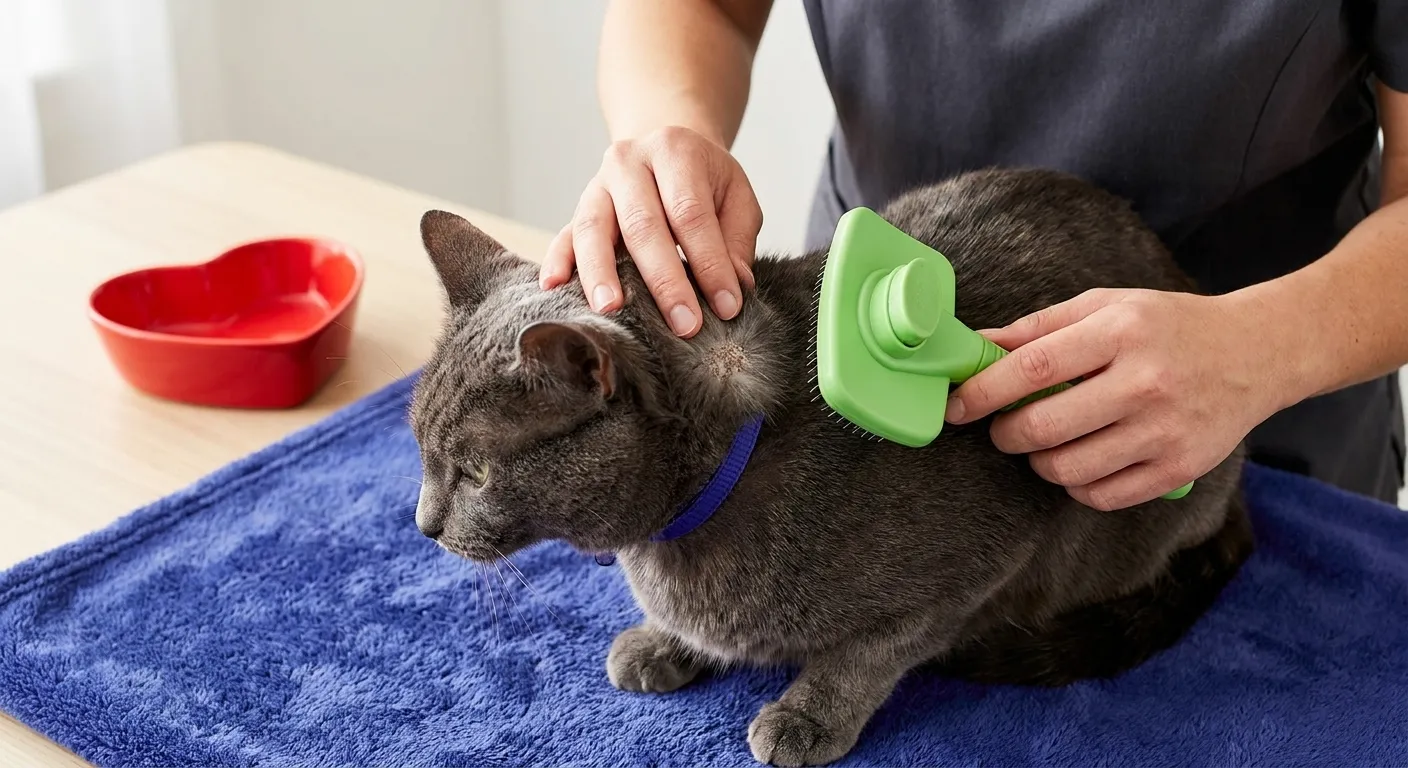
Grooming is more than just keeping your cat’s coat looking sleek; it’s a valuable opportunity to conduct a mini-health check. As you brush, pet, and interact with your feline friend, you have a prime chance to notice subtle changes that could indicate underlying health problems. Learning to identify common cat skin issues grooming sessions can reveal empowers you to catch potential problems early, leading to quicker treatment and better outcomes for your pet.
Early Detection: What to Look For in Your Cat’s Coat During Grooming
During your regular grooming routine, pay close attention to the texture of your cat’s fur and the condition of their skin. Run your hands over their entire body, feeling for any bumps, lumps, or unusual textures beneath the fur. Specifically, look for signs of dry, flaky skin, redness, or irritation. Excessive shedding beyond what’s normal for your cat, or patches of missing fur, can also be red flags. Flea dirt (tiny black specks that turn reddish-brown when wet) is a common indicator of fleas, even if you don’t see the parasites themselves. Observing these details as part of your regular cat skin issues grooming check can provide critical insights into your cat’s health.
Common Skin Concerns and When to Act
Several common cat skin issues can be spotted during grooming. Beyond fleas, watch for signs of ringworm (circular patches of hair loss, often with scaly skin), allergic reactions (which can manifest as redness, itching, or small scabs), and even bacterial or fungal infections. Ear mites, while not strictly skin issues, can often be detected by excessive head shaking or dark, waxy discharge in the ears during a grooming session. If you discover any new lumps, persistent redness, open sores, or if your cat seems excessively itchy or uncomfortable, it’s always best to consult your veterinarian. They can accurately diagnose the problem and recommend appropriate treatment, ensuring your cat receives the care they need.
The Importance of Regular Grooming for Skin Health
Regular grooming is not just about aesthetics; it’s a fundamental aspect of maintaining your cat’s overall health, particularly their skin and coat. Consistent brushing helps to distribute natural skin oils, which keeps the fur healthy and minimizes matting. Moreover, it removes loose fur, dirt, and debris that can irritate the skin. By making grooming a routine, you establish a baseline for your cat’s normal skin and coat condition. This familiarity makes it much easier to spot any deviations, such as dry patches or new growths, during your cat skin issues grooming checks. Furthermore, regular interaction during grooming strengthens the bond between you and your cat, making them more comfortable with handling.
Understanding Your Cat’s Coat Type and Its Implications for Skin Health
Different cat breeds have varying coat types, and understanding yours is crucial for effective grooming and identifying potential skin problems. For instance, long-haired breeds like Persians require daily brushing to prevent mats, which can pull on the skin and create ideal breeding grounds for bacteria and parasites. Short-haired cats, conversely, may only need weekly brushing, but their dense coats can sometimes hide skin issues. Hairless breeds, such as Sphynx cats, require unique skin care, including regular bathing to remove oils and protection from sunburn. Knowing your cat’s specific coat needs allows you to tailor your grooming routine, making it more effective for both coat maintenance and spotting any signs of discomfort or skin health changes. Therefore, always consider your cat’s breed when planning your grooming schedule.
Step-by-Step: How to Perform a Thorough Skin Check During Grooming
Performing a thorough skin check during grooming doesn’t have to be complicated. First, start by gently petting your cat, feeling for any unusual textures. Next, use a brush suitable for your cat’s coat type and systematically work your way through their fur. As you brush, part the fur to examine the skin underneath. Pay close attention to areas that are often overlooked, such as the belly, armpits, and groin. These spots are common places for parasites to hide or for skin irritations to develop. Moreover, check around the ears for signs of mites or infections, and examine the paws for cuts, swelling, or redness between the pads. Remember to lift the tail and inspect the area around the anus, as this can reveal issues like flea infestations or anal gland problems. A systematic approach ensures no area is missed during your routine examination for feline skin issues.
A good light source is also beneficial during this process. Natural light is often best, but a bright lamp can also help illuminate the skin, making it easier to spot subtle changes in color or texture. Take your time, and if your cat becomes stressed, take a break and resume later. The goal is to make this a positive experience for both of you, while still being diligent about checking for any signs of cat skin issues grooming sessions reveal.
Common Parasites and Their Impact on Cat Skin
Parasites are a leading cause of skin problems in cats. Fleas are perhaps the most common, causing intense itching, redness, and sometimes allergic dermatitis in sensitive cats. Even if you don’t see the fleas themselves, the presence of ‘flea dirt’ (small black specks that look like pepper) is a strong indicator. To check for flea dirt, place your cat on a white surface and brush them. If black specks fall off, moisten them with a damp paper towel; if they turn reddish-brown, it’s flea feces. Ticks are another concern, especially for outdoor cats. These can attach anywhere on the body and appear as small, engorged bumps. Removing ticks promptly and correctly is essential to prevent disease transmission. Mites, such as ear mites or sarcoptic mites, can also cause significant irritation and discomfort, leading to hair loss, scabbing, and excessive scratching. Identifying these parasites during your cat skin issues grooming routine is crucial for timely treatment.
Recognizing Allergic Reactions and Environmental Irritants
Cats can suffer from allergies, just like humans, and these often manifest as skin problems. Common allergens include certain food ingredients, environmental factors like pollen or dust mites, and even flea saliva. Symptoms of allergic reactions can range from generalized itching, redness, and small bumps or scabs (miliary dermatitis) to more localized inflammation. Observing your cat scratching excessively, licking specific areas repeatedly, or showing signs of discomfort during grooming can signal an allergic response. Furthermore, environmental irritants like harsh cleaning products or certain plants can also cause contact dermatitis. If you notice any of these signs during a cat skin issues grooming check, it’s important to discuss them with your vet to determine the cause and appropriate management.
Fungal and Bacterial Infections: What to Look For
Fungal and bacterial infections are other common causes of cat skin issues. Ringworm, despite its name, is a fungal infection that often presents as circular patches of hair loss, sometimes with a red, scaly border. It’s highly contagious to other pets and humans, so prompt diagnosis and treatment are vital. Bacterial infections, often secondary to scratching or other skin trauma, can cause redness, swelling, pus-filled lesions, or scabs. These infections might appear as hot spots or areas of inflamed skin. If you detect any of these signs during your regular cat skin issues grooming inspection, consult your veterinarian for an accurate diagnosis and treatment plan. Early intervention can prevent these infections from spreading or becoming more severe.
When to Seek Veterinary Care for Feline Skin Problems
While regular grooming helps in early detection, knowing when to seek professional veterinary care is paramount. You should always consult your vet if you notice any new lumps, persistent redness, open sores that aren’t healing, or if your cat seems to be in pain or discomfort. Any rapid changes in coat quality, excessive hair loss, or signs of severe itching that disrupt your cat’s daily life warrant a vet visit. Moreover, if you suspect parasites, fungal infections like ringworm, or bacterial infections, a veterinarian can provide an accurate diagnosis and prescribe the correct medication. Never attempt to self-diagnose or treat serious skin conditions at home without professional guidance, as this could worsen the problem or delay proper care. Your veterinarian is your best resource for ensuring your cat’s skin health.
Preventative Measures: Keeping Your Cat’s Skin Healthy
Prevention is always better than cure, especially when it comes to feline skin health. A balanced diet rich in essential fatty acids is fundamental for a healthy coat and skin. Consider supplementing with omega-3 and omega-6 fatty acids if recommended by your vet. Regular parasite control, including appropriate flea and tick prevention, is also crucial, especially for cats that go outdoors. Furthermore, maintaining a clean living environment helps reduce environmental allergens and irritants. Regular grooming, as discussed, is a cornerstone of preventative care, allowing you to catch problems early. By integrating these preventative measures into your cat’s routine, you significantly reduce the risk of developing many common cat skin issues grooming can help you identify. For more information on cat care, consider visiting resources like the ASPCA’s cat grooming tips.
The Role of Nutrition in Skin and Coat Health
A cat’s diet plays a critical role in the health and appearance of their skin and coat. High-quality cat food formulated with essential nutrients, vitamins, and minerals supports healthy skin cell turnover and a shiny, strong coat. Specifically, diets rich in omega-3 and omega-6 fatty acids are known to reduce inflammation and promote a healthy skin barrier. These fatty acids can be found in fish oils and certain plant-based oils. Conversely, a poor diet or nutritional deficiencies can lead to dry, flaky skin, dull fur, and increased susceptibility to skin infections. Always choose a reputable brand of cat food and consult your veterinarian about any dietary supplements that might benefit your cat’s skin and coat health. Proper nutrition is a foundational element in preventing various feline skin issues.
Grooming Tools for Optimal Skin Health Checks
Having the right grooming tools can make a significant difference in both the effectiveness of your grooming sessions and your ability to spot skin issues. A good quality brush or comb appropriate for your cat’s coat type is essential. For long-haired cats, a wide-toothed comb followed by a slicker brush can help detangle and remove loose fur without pulling the skin. For short-haired cats, a rubber curry brush or a fine-toothed comb can effectively remove loose hair and stimulate circulation. Additionally, specialized tools like flea combs are invaluable for checking for parasites, especially around the face and tail base. Nail clippers are also important for preventing ingrown claws that can cause pain and sometimes lead to skin infections if the cat attempts to chew them off. A soft cloth or cotton balls can be useful for cleaning around the eyes and ears. Investing in the right tools enhances your ability to perform thorough cat skin issues grooming and detection.
Addressing Behavioral Changes Related to Skin Discomfort
Cats are masters at hiding discomfort, but changes in their behavior can often be the first clue that something is amiss with their skin. If your cat suddenly starts grooming excessively, particularly in one area, it could indicate itching or irritation. Conversely, a cat that stops grooming themselves entirely might be too uncomfortable to do so, potentially due to pain or severe skin issues. Increased scratching, licking, biting, or rubbing against furniture are all signs of itchiness. Furthermore, a normally placid cat might become irritable or withdrawn if they are experiencing skin pain. Any changes in appetite, sleep patterns, or litter box habits could also be indirectly linked to underlying health issues, including skin conditions. Observing these subtle behavioral shifts during your cat skin issues grooming routine can prompt you to investigate further and seek veterinary advice when needed. Always pay attention to your cat’s overall demeanor.
Conclusion: Proactive Care Through Grooming
In conclusion, regular grooming offers far more than just a shiny coat; it provides a crucial window into your cat’s overall health, particularly their skin. By making grooming a consistent and thorough practice, you empower yourself to be the first line of defense against potential health problems. From identifying common parasites and allergic reactions to spotting early signs of infections or unusual growths, your attentive cat skin issues grooming sessions can lead to early detection and, consequently, more effective treatment. Remember, your cat relies on you for their well-being. Proactive care, combined with timely veterinary consultation, ensures your feline companion lives a healthy, comfortable, and happy life. Continue to prioritize these essential grooming practices for the benefit of your beloved pet. For more detailed insights on skin health, you might find resources from the Cornell Feline Health Center helpful.
FAQ
What are common signs of feline skin problems?
Common signs of feline skin problems include excessive scratching, licking, or chewing, redness, scabs, bumps, hair loss, flaky skin, and the presence of parasites like fleas. Watch for any changes in your cat’s fur texture or skin color during your regular checks.
How often should I check my cat for skin issues?
It’s best to incorporate a skin check into your regular grooming routine. For most cats, this means a thorough inspection at least once a week. Daily quick checks, especially when petting your cat, can also help you notice immediate changes.
Can diet affect my cat’s skin health?
Absolutely. A high-quality, balanced diet rich in essential fatty acids (like omega-3s and omega-6s) is vital for healthy skin and a shiny coat. Poor nutrition can lead to dry skin, dull fur, and increased susceptibility to various problems.
What if I find a lump or bump on my cat?
If you discover any new lump, bump, or unusual growth on your cat’s skin, it’s always best to consult your veterinarian as soon as possible. While many lumps are benign, some can be serious, and early diagnosis is crucial for effective treatment.
Are some cat breeds more prone to skin conditions?
Yes, certain cat breeds can be more predisposed to specific skin conditions due to their coat type or genetic factors. For example, hairless breeds require special skin care, and long-haired breeds can be prone to matting that affects skin health. Always research your cat’s breed-specific needs.
