
Cat owners often cherish their feline’s luxurious fur, but beneath that beautiful exterior lies the potential for a painful problem: matting. Mats are dense tangles of fur that can pull on a cat’s skin, causing discomfort, skin irritation, and even infections. Learning how to prevent cat matting is not just about aesthetics; it’s a crucial part of ensuring your cat’s overall health and happiness. At Cat Grooming HQ, we understand the challenges and are here to provide practical, expert-backed solutions to keep your feline’s coat smooth, healthy, and tangle-free.
Understanding Cat Matting: Causes and Risks
Mats form when loose, dead hair gets tangled with live hair, creating knots that tighten over time, especially with movement and friction. Several factors can contribute to this issue. For example, some breeds are more susceptible. Long or dense coats, such as those found on Persians, Maine Coons, and Himalayans, are particularly prone due to their fur length and density.
Shedding cycles also play a significant role. Increased shedding can lead to more loose hair available to tangle. Furthermore, a lack of regular grooming allows loose fur to accumulate. Cats with mobility issues, perhaps due to obesity or arthritis, may struggle to groom themselves effectively, especially in hard-to-reach areas. In addition, skin conditions or injuries can cause mats to form around wounds or irritated skin. Lastly, damp fur, if not dried properly, can mat more easily.
Ignoring mats can lead to significant problems. These range from restricted movement and pain to serious skin infections hidden beneath the matted fur. This is why understanding how to stop cat fur mats before they start is so important. Indeed, proactive care is key.
Daily Brushing: Your First Line of Defense to Prevent Cat Matting
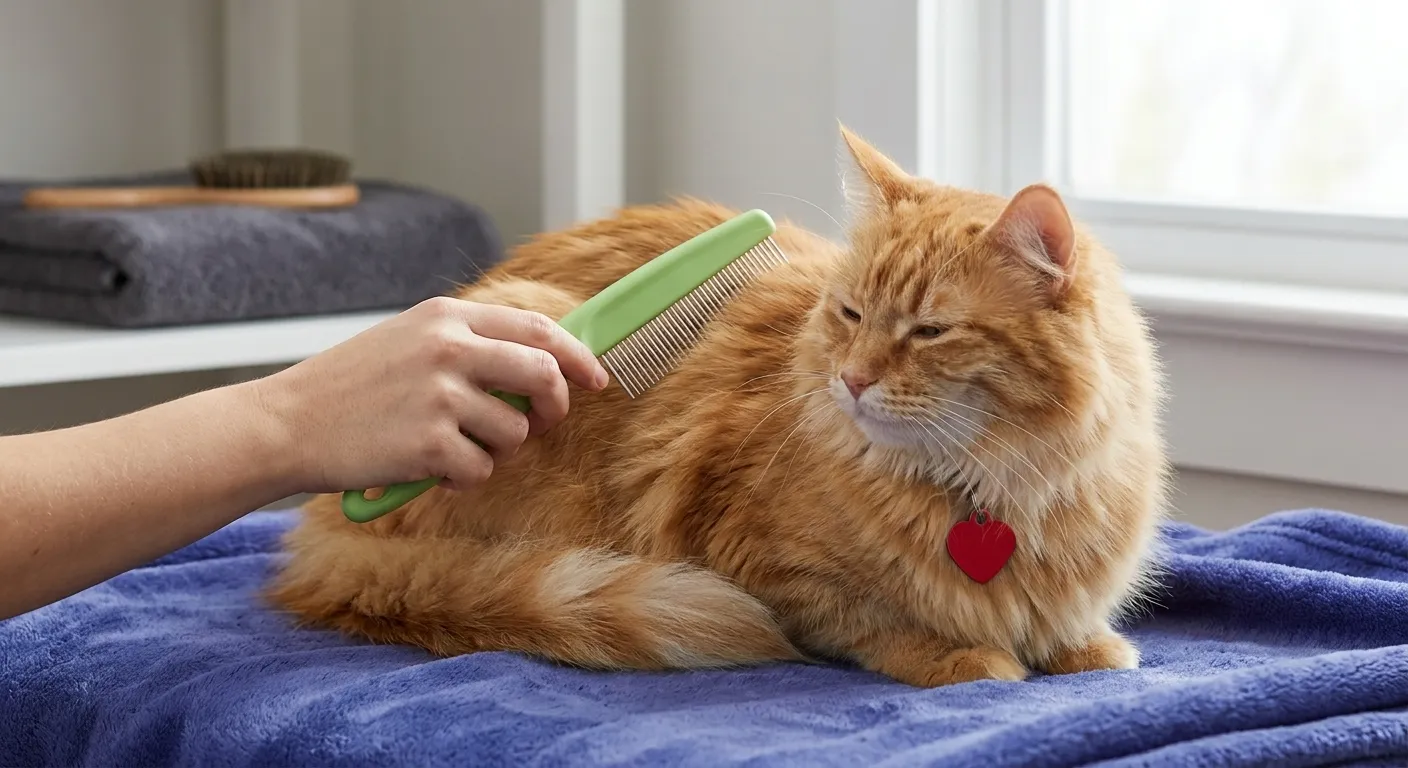
The most effective strategy to prevent cat matting is consistent, daily brushing. This simple routine removes loose hair, distributes natural oils, and stimulates circulation. It’s also a wonderful bonding opportunity for you and your pet. Moreover, regular brushing helps you detect any skin abnormalities early.
Choosing the Right Brush for Every Coat Type
Matching the brush to your cat’s coat is vital for effective mat prevention. For instance, short-haired cats benefit from a rubber grooming mitt or a soft-bristle brush. These tools effectively remove loose hair and provide a gentle massage. Meanwhile, medium to long-haired cats require a slicker brush with fine, bent wires. This type of brush is excellent for detangling and removing undercoat. Use it gently, ensuring the wires don’t scratch the skin. Always follow up with a wide-toothed metal comb to check for any missed tangles.
Double-coated cats, on the other hand, need a de-shedding tool, such as a rake comb. This can reach deep into the undercoat to remove loose fur that would otherwise contribute to matting. Always brush in the direction of hair growth, starting from the head and working your way down to the tail. Pay extra attention to areas prone to matting like behind the ears, armpits, belly, and hind legs. For how to avoid matted cat fur, make this a pleasant routine with treats and praise. Consequently, your cat will associate grooming with positive experiences.
Advanced Strategies for Cat Coat Maintenance
While daily brushing is fundamental, additional strategies can significantly boost your efforts to prevent cat matting. These methods address specific challenges and provide a comprehensive approach to coat health. Furthermore, they can make grooming sessions more effective and enjoyable for your feline friend.
Regular Professional Grooming
For some cats, especially those with very long or dense coats, professional grooming can be invaluable. A professional groomer has the tools and expertise to handle difficult coats, perform de-shedding treatments, and even give sanitary trims. These trims reduce the likelihood of matting in sensitive areas. Moreover, a groomer can identify potential skin issues that you might miss. Consider scheduling professional grooming every 4-6 weeks, particularly for breeds known for extensive shedding or matting. This can truly help prevent cat fur tangles.
Bathing Your Cat Properly
Bathing can be a double-edged sword when it comes to cat matting. If done incorrectly, it can worsen tangles. However, proper bathing can remove dirt, excess oils, and loose hair, all of which contribute to mat formation. Use a cat-specific shampoo and conditioner designed for detangling. Always dilute the shampoo first. Rinse thoroughly to ensure no residue is left behind, as this can attract dirt and cause new mats. Most importantly, ensure your cat is completely dry after bathing. Towel dry as much as possible, then use a pet-specific dryer on a low, cool setting, or allow them to air dry in a warm, draft-free room while continuing to comb their fur. This careful approach helps avoid matted fur in cats.
Nutrition and Hydration for a Healthy Coat
A healthy coat starts from within. A high-quality diet rich in essential fatty acids, such as Omega-3 and Omega-6, can significantly improve coat health. These nutrients promote strong, supple hair and reduce shedding, making it easier to manage and prevent cat matting. Look for cat foods that list fish oil or flaxseed as ingredients. Furthermore, ensure your cat has constant access to fresh water. Proper hydration is vital for skin health, which in turn supports a healthy coat. Dry skin can lead to brittle fur, which is more prone to breaking and matting. Consult your vet for dietary recommendations tailored to your cat’s specific needs. This holistic approach supports a beautiful, tangle-free coat.
Addressing Mats When They Occur
Despite your best efforts to prevent cat matting, a small tangle might still appear occasionally. It’s crucial to address these immediately before they become larger, more painful mats. Never try to cut out mats with scissors, as this can easily injure your cat’s skin. Cat skin is very thin and loose, making it easy to accidentally cut. Instead, use a mat splitter or a blunt-nosed dematting tool specifically designed for this purpose. Work slowly and gently, holding the base of the mat to prevent pulling on the skin. You can also apply a small amount of cornstarch or a detangling spray to help loosen the mat. If a mat is too large, too tight, or too close to the skin, it’s always best to seek professional help from a groomer or veterinarian. They can safely remove the mat without causing distress or injury to your cat. Prompt action is essential for preventing cat fur knots from escalating.
Environmental Factors and Lifestyle Adjustments
Beyond direct grooming, several environmental and lifestyle factors can influence your cat’s coat health and propensity for matting. Understanding these can further aid in your mission to prevent cat matting. Adjusting these elements can create a more mat-resistant environment for your feline companion.
Controlling Shedding with Environmental Management
Excessive shedding can significantly contribute to mat formation. Regularly vacuuming your home, especially areas where your cat frequently rests, can reduce the amount of loose fur circulating. Consider using lint rollers on furniture. Furthermore, ensuring a comfortable indoor temperature and humidity level can support healthy skin and coat. Extreme dryness can lead to brittle fur, while excessive humidity might make fur feel greasy and prone to clumping. Providing a clean, comfortable environment indirectly helps manage shedding and, consequently, helps to stop cat fur mats.
Encouraging Self-Grooming
Cats are natural self-groomers, and encouraging this behavior can help maintain their coat. Ensure your cat is at a healthy weight to allow them to reach all parts of their body. If your cat has arthritis or other mobility issues, consult your veterinarian. They might recommend supplements or pain management strategies that improve flexibility. In addition, providing cat trees and scratching posts helps keep them active and encourages stretching, which can aid in self-grooming. A healthy, mobile cat is better equipped to prevent cat fur tangles through their natural habits. You can find more information on cat grooming at ASPCA.
Regular Health Check-ups
Underlying health issues can manifest in a dull, unhealthy coat and increased matting. Conditions like thyroid imbalances, parasites, allergies, or even dental problems can affect a cat’s skin and fur. Regular veterinary check-ups are essential. Your vet can diagnose and treat any health problems that might be contributing to poor coat condition. Addressing these root causes is a proactive way to maintain a lustrous, mat-free coat and prevent cat matting effectively. A healthy cat generally has a healthier coat, making grooming easier.
Conclusion
Maintaining a smooth, healthy coat for your feline friend requires dedication and a multi-faceted approach. By understanding the causes of matting, implementing a consistent daily brushing routine, considering professional grooming, and ensuring proper nutrition, you can significantly reduce the risk of painful tangles. Remember, addressing small mats promptly and making lifestyle adjustments also contribute to your cat’s overall well-being. At Cat Grooming HQ, we believe that a well-groomed cat is a happy cat. By following these expert strategies, you can confidently prevent cat matting and ensure your beloved companion enjoys a comfortable, beautiful coat for years to come. Your consistent efforts will result in a healthier, happier pet. For more detailed information on pet care, visit PetMD.
FAQ
How often should I brush my long-haired cat to avoid matted fur?
Long-haired cats generally require daily brushing to prevent matting. Their longer, denser coats are more prone to tangles and knots. Daily sessions help remove loose hair and distribute natural oils.
What are common areas where cat fur mats typically form?
Mats frequently form in areas of high friction or where fur is particularly fine. These include behind the ears, under the armpits, on the belly, around the hind legs, and at the base of the tail. Regular attention to these spots is crucial.
Can diet affect my cat’s coat and help prevent tangles?
Yes, diet plays a significant role. A high-quality diet rich in Omega-3 and Omega-6 fatty acids can promote a healthier, stronger coat. This reduces shedding and makes the fur less prone to matting. Consult your vet for specific dietary recommendations.
What should I do if I find a small mat in my cat’s fur?
For small, loose mats, try gently teasing them apart with your fingers or a wide-toothed comb. You can use a small amount of cornstarch or a pet-safe detangling spray. Never use scissors to cut out mats, as this can easily injure your cat’s delicate skin. If the mat is tight or large, seek professional help.
Are there certain cat breeds that are more susceptible to developing matted fur?
Absolutely. Breeds with long, dense, or double coats are more prone to matting. Examples include Persians, Maine Coons, Himalayans, and Norwegian Forest Cats. These breeds require extra vigilance and consistent grooming to keep their coats healthy.
