
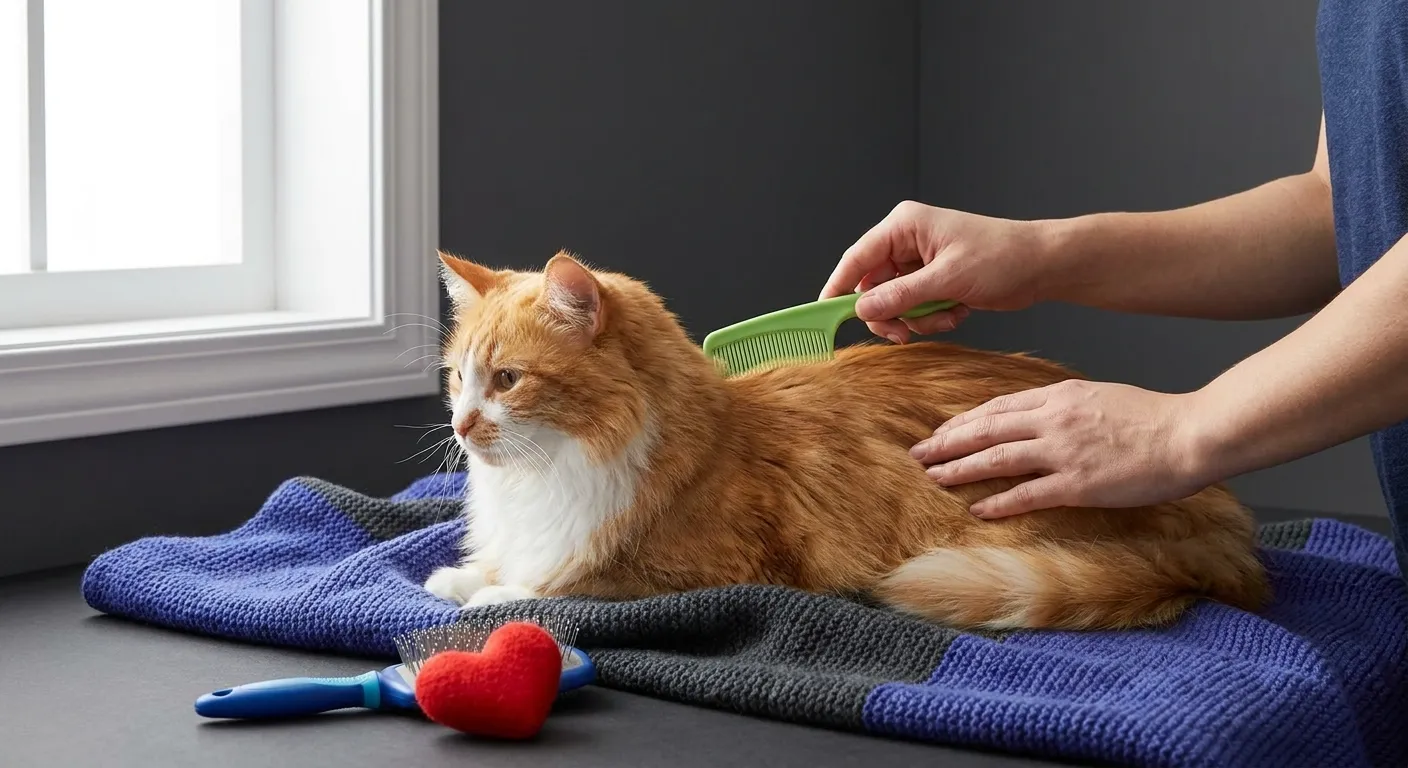
As loving cat owners, we all want our feline companions to be comfortable, healthy, and looking their best. A significant part of achieving this is maintaining a smooth, tangle-free coat. Unfortunately, many cats are prone to developing painful fur mats, which can be a source of discomfort and lead to various skin issues. This guide is dedicated to preventing cat fur mats, offering practical, reassuring advice to keep your cat’s coat in pristine condition.
Understanding Cat Fur Mats: Why They Happen
Cat fur mats are essentially clumps of tangled fur that become tightly woven together, often close to the skin. They form when shed hair gets caught in the coat, especially in areas of high friction like behind the ears, under the armpits, on the belly, and around the hind legs. Over time, these tangles collect more loose fur, dirt, and debris, becoming denser and pulling painfully on the skin.
Beyond the aesthetic, mats pose serious health risks. For instance, they can restrict movement, cause skin irritation, hide parasites, and even lead to infections if the skin underneath becomes moist and inflamed. For senior cats or those with mobility issues, self-grooming becomes challenging, making them even more susceptible to matting. Therefore, understanding the causes is the first step towards effective prevention.
Essential Tools for Preventing Cat Fur Mats
Having the right tools is half the battle when it comes to keeping your cat’s coat healthy. Invest in quality, cat-specific grooming aids. These tools are designed to work with your cat’s delicate skin and fur.
- Slicker Brushes: These are excellent for removing loose fur and minor tangles, especially for medium to long-haired cats. Choose one with fine, bent wire bristles for optimal effectiveness.
- Deshedding Tools: Tools like a furminator can effectively remove undercoat, significantly reducing the amount of shed hair available to form mats. However, use these sparingly and gently to avoid skin irritation.
- Wide-Tooth Combs: These are ideal for gently working through larger sections of fur and checking for hidden tangles. Moreover, they are less likely to pull on the fur.
- Fine-Tooth Combs: Useful for delicate areas like the face or for ensuring all small knots are removed. Consequently, they are a good finishing tool.
- Detangling Spray: A good quality, cat-safe detangling spray can help loosen knots and make brushing easier. In addition, it often adds a healthy shine to the coat.
Daily Brushing Habits for a Smooth Coat
Consistency is key when it comes to maintaining your cat’s coat. Aim for short, regular brushing sessions rather than infrequent, lengthy ones. Even 5-10 minutes daily can make a huge difference, especially for long-haired breeds. Start with gentle strokes, always following the direction of hair growth. Furthermore, this helps to distribute natural oils.
Use a technique called ‘line brushing’ where you part the fur and brush small sections at a time, working your way up the body. Always make grooming a positive experience with praise and treats to build a good association. In fact, many cats come to enjoy their grooming time. This consistent routine is vital for preventing cat fur mats effectively.
Dealing with Existing Tangles (Before They Mat)
Spotting a tangle early is crucial. If you find a small knot, avoid pulling on it. Instead, gently separate the fur with your fingers. Apply a detangling spray and then carefully work through the tangle with a wide-tooth comb, starting from the ends and working your way towards the skin. Patience is essential here. If a tangle seems too stubborn, do not force it. Sometimes, a small amount of cornstarch can help to loosen it further. This proactive approach prevents small tangles from becoming painful mats.
The Importance of Regular Grooming for Preventing Cat Fur Mats
Regular grooming extends beyond just brushing; it encompasses a holistic approach to your cat’s coat health. This routine helps to distribute natural skin oils, promoting a healthy, shiny coat. Moreover, it provides an excellent opportunity to check your cat for any skin issues, bumps, or parasites that might otherwise go unnoticed. Therefore, establishing a consistent grooming schedule is paramount.
Bathing Your Cat: When and How
While many cats are self-sufficient groomers, some breeds, particularly long-haired ones, can benefit from occasional baths. Bathing helps to remove excess oil and loose hair, which contributes to mat formation. However, it’s important to use cat-specific shampoos that are gentle on their skin. Be sure to rinse thoroughly to avoid residue that can irritate the skin or attract dirt.
When bathing, create a calm environment. Use lukewarm water and speak in soothing tones. Afterward, gently towel dry your cat and, if tolerated, use a low-heat blow dryer while brushing to prevent tangles from forming as the fur dries. This step is particularly important for preventing cat fur mats in longer coats.
Diet and Hydration: Internal Factors
A healthy diet plays a significant role in the overall health of your cat’s skin and coat. High-quality cat food rich in essential fatty acids, such as Omega-3 and Omega-6, can improve coat quality, making it less prone to dryness and matting. Ensure your cat has constant access to fresh water, as good hydration also contributes to skin health. Consult your veterinarian for dietary recommendations tailored to your cat’s specific needs. Proper nutrition is a foundational element in maintaining a luxurious, mat-free coat.
Environmental Considerations for a Tangle-Free Coat
Your cat’s environment can also impact their coat health. Simple adjustments around the home can further aid in the battle against fur mats.
Controlling Shedding in the Home
Regular vacuuming and cleaning can help reduce the amount of loose fur floating around your home. Less loose fur in the environment means less fur available to get caught in your cat’s coat and form mats. Consider using pet-specific vacuums that are designed to pick up animal hair effectively. Furthermore, regularly washing your cat’s bedding can also remove shed fur.
Protecting Delicate Areas
Certain areas on a cat’s body are more prone to matting. These include behind the ears, under the armpits, on the belly, and around the hind legs. Pay extra attention to these spots during your daily brushing sessions. You might consider using a finer comb for these sensitive areas. Additionally, if your cat wears a harness or collar, ensure it fits properly and is not causing friction that could lead to tangles. Regularly check these high-friction zones to proactively address any developing knots. This focused attention is key for preventing cat fur mats in these vulnerable spots.
When to Seek Professional Help for Cat Coat Care
While home grooming is incredibly beneficial, there are times when professional help is necessary. Knowing when to consult a professional groomer or your veterinarian is an important aspect of responsible pet ownership.
When Mats Are Too Severe
If you encounter large, dense, or painful mats that you cannot safely remove at home, it’s time to seek professional assistance. Attempting to cut out severe mats yourself can be dangerous, potentially leading to accidental cuts or skin irritation. A professional groomer has the tools and expertise to safely and effectively remove even the most stubborn mats. They often use clippers to shave the matted areas, which is a much safer approach.
Regular Professional Grooming for High-Maintenance Breeds
For certain breeds, especially those with long or very dense coats, regular professional grooming can be a game-changer. Groomers can provide thorough brushing, dematting services, and even sanitary trims that are difficult to perform at home. This can significantly reduce the burden of home grooming and ensure your cat’s coat remains in top condition. Many owners find that a professional groom every few months complements their home routine, greatly assisting in preventing cat fur mats.
Veterinary Consultation for Underlying Issues
Sometimes, excessive matting can be a symptom of an underlying health issue. Conditions such as arthritis, dental problems, obesity, or internal pain can make it difficult for a cat to groom themselves effectively. If you notice a sudden increase in matting, changes in your cat’s grooming habits, or other concerning symptoms, consult your veterinarian. They can rule out any medical reasons for the matting and provide appropriate treatment or advice. For more information on cat health, consider visiting ASPCA’s cat care guide or The Humane Society’s cat care essentials.
Making Grooming a Positive Experience
The key to successful long-term grooming is making it a positive and stress-free experience for your cat. Start grooming sessions early in your cat’s life, even if it’s just gentle petting with a brush. Keep sessions short and frequent, and always end on a good note. Offer treats and praise generously. If your cat shows signs of stress or aggression, stop the session and try again later. Never force your cat to endure grooming, as this can create negative associations and make future sessions more challenging. A calm and patient approach will ensure your cat associates grooming with comfort and affection, making the task of preventing cat fur mats much easier for both of you.
Conclusion
Preventing cat fur mats is an ongoing commitment, but one that is deeply rewarding. By understanding why mats form, equipping yourself with the right tools, establishing consistent grooming habits, paying attention to diet, and knowing when to seek professional help, you can ensure your beloved feline companion enjoys a comfortable, healthy, and tangle-free coat. Remember, patience, consistency, and a gentle approach are your best allies in this endeavor. Your cat will thank you for the extra care and attention with purrs and a beautiful, soft coat.
FAQ Section
What causes cat fur to tangle and mat?
Cat fur tangles and mats primarily when shed hair gets caught in the coat, especially in areas of high friction. Over time, these loose hairs combine with dirt and debris, forming dense clumps. Certain breeds with longer or denser coats are more prone to this issue.
How often should I brush my cat to avoid matting?
For most cats, especially those with medium to long hair, daily brushing for 5-10 minutes is ideal. Shorter-haired cats might only need brushing a few times a week. Regularity is more important than length of sessions for avoiding coat tangles.
Can a poor diet contribute to a cat’s matted coat?
Yes, a poor diet can certainly contribute to a less healthy coat, making it more susceptible to matting. A diet lacking essential fatty acids can lead to dry, brittle fur that tangles more easily. Ensuring your cat receives high-quality nutrition is vital for good coat health.
What should I do if I find a small knot in my cat’s fur?
If you find a small knot, do not pull on it. Instead, gently separate the fur with your fingers, apply a cat-safe detangling spray, and carefully work through the knot with a wide-tooth comb, starting from the ends. Patience is key to safely removing the tangle.
When is it necessary to take my cat to a professional groomer for coat issues?
You should take your cat to a professional groomer if they have large, dense, or painful mats that you cannot safely remove at home. Attempting to cut severe mats yourself can be dangerous. Professional groomers have the proper tools and expertise to handle such situations safely and effectively.
