
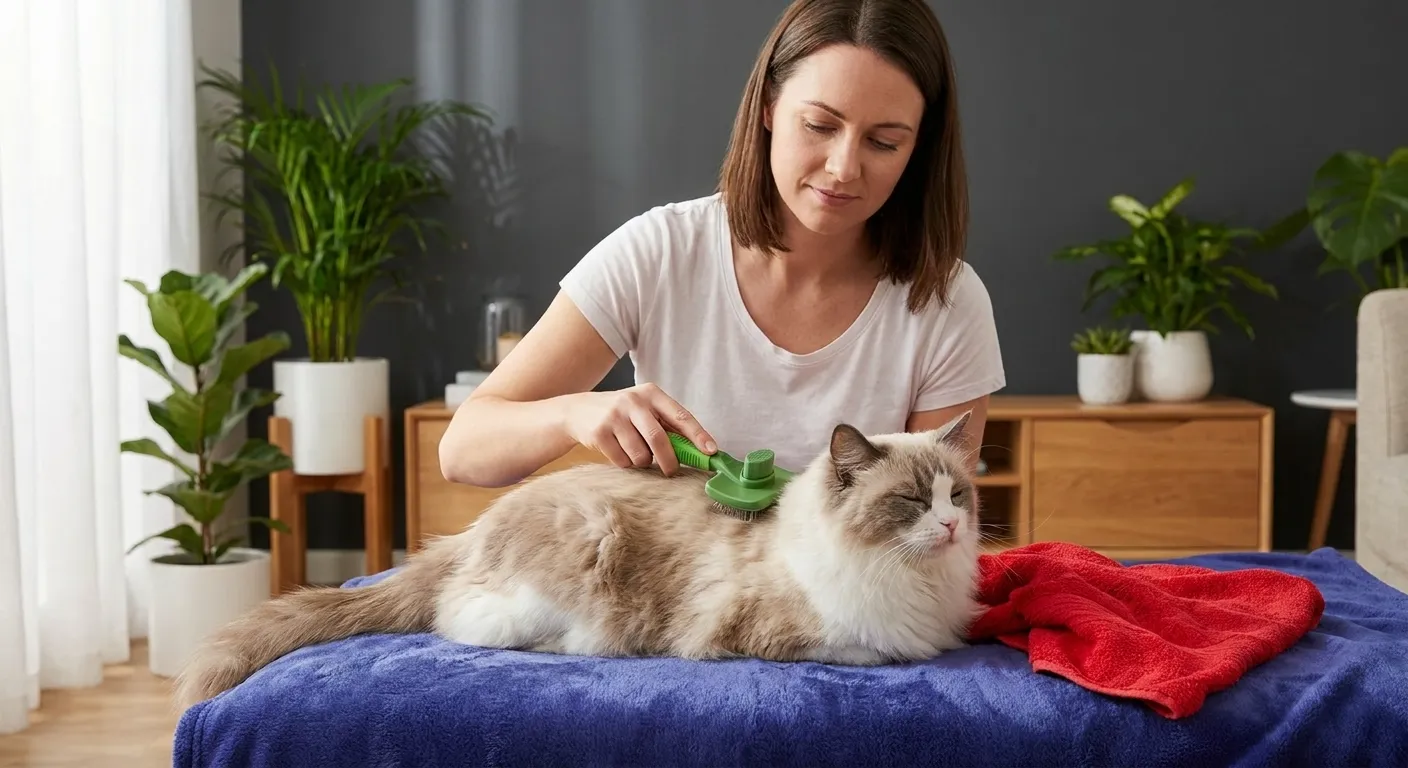
Are you hesitant to groom your cat at home? You’re not alone. Many cat owners harbor misconceptions about feline grooming, often fueled by old wives’ tales or exaggerated stories. These fears can prevent owners from providing essential care, leading to health issues for their beloved pets. At Cat Grooming HQ, we’re here to set the record straight. Let’s explore common cat grooming myths debunked and replace them with factual, reassuring guidance to empower you in caring for your feline companion.
Understanding the Importance of Regular Cat Grooming
Grooming is more than just making your cat look good. It is a vital part of their overall health and well-being. Regular grooming helps prevent various problems, including skin irritations, matted fur, and digestive issues from hairballs. Furthermore, it strengthens the bond between you and your pet. Therefore, understanding proper techniques is crucial.
The Role of a Cat Owner in Feline Hygiene
While cats are renowned for their self-grooming abilities, their efforts are not always enough. As a result, cat owners play a significant role in maintaining their pet’s hygiene. This involvement can range from daily brushing to occasional baths and nail trims. Each aspect contributes to a healthier, happier cat.
Top Cat Grooming Myths Debunked
Misinformation can be a significant barrier to effective pet care. By addressing these common misunderstandings, we aim to build your confidence and equip you with accurate knowledge. We will tackle several persistent beliefs about feline care. Consequently, you will feel more prepared to groom your cat.
Myth 1: “Cats Groom Themselves Perfectly and Don’t Need Help”
Reality: While cats are meticulous self-groomers, their efforts aren’t always sufficient, especially for certain breeds or older cats. Self-grooming can lead to hairballs, which can cause digestive issues. Long-haired cats are prone to matting, which can be painful and lead to skin infections. Older or arthritic cats may struggle to reach all areas, leaving them susceptible to tangled fur and skin problems. Regular brushing, even for short-haired cats, helps remove loose fur, reduces hairballs, and keeps their coat healthy.
Myth 2: “Bathing a Cat is Impossible and Traumatic”
Reality: This is one of the most persistent cat grooming myths debunked! While some cats genuinely dislike water, many can be conditioned to tolerate, or even enjoy, baths. The key is proper technique and gradual desensitization from an early age. Use lukewarm water, cat-specific shampoo, and a calm, reassuring demeanor. Start with short, gentle sessions, perhaps just wetting their paws, and offer treats. For severely water-averse cats, waterless shampoos or professional groomers are excellent alternatives. Bathing is crucial for cats with skin conditions, excessive oil, or those who have gotten into something toxic.
Myth 3: “Clipping Claws is Painful for Cats”
Reality: Clipping claws is not painful if done correctly. The pain comes from cutting into the ‘quick’ – the pink part of the nail that contains blood vessels and nerves. With sharp clippers and proper technique, only the clear, hooked tip of the nail is removed, which has no nerve endings. Regular trims prevent claws from becoming too long, which can cause discomfort, get snagged on carpets, or grow into paw pads. Introduce claw trims slowly, associate them with treats, and only trim a tiny bit at a time until your cat is comfortable. Furthermore, consider watching a tutorial for proper technique or asking your vet for a demonstration. For more detailed instructions on safe claw trimming, you can visit the ASPCA website.
Myth 4: “Short-Haired Cats Don’t Need Brushing”
Reality: This is another common misconception. Short-haired cats shed, sometimes extensively, and regular brushing offers numerous benefits. It helps remove loose fur, reducing the amount your cat ingests (and thus, hairballs). Brushing stimulates the skin, promoting healthy blood circulation and distributing natural oils. Moreover, it provides an excellent opportunity to check for fleas, ticks, or any skin abnormalities. Therefore, even short-haired cats benefit greatly from regular brushing sessions.
Myth 5: “Cats are Naturally Clean and Don’t Need Dental Care”
Reality: While cats are generally clean animals, their oral hygiene often requires intervention. Dental disease is incredibly common in felines, affecting a large percentage of cats over the age of three. Plaque and tartar buildup can lead to gingivitis, periodontitis, and even painful tooth loss. Brushing your cat’s teeth regularly with cat-specific toothpaste is the gold standard. Additionally, dental treats and water additives can help. Consult your veterinarian for professional dental cleanings if needed. This is a critical area where many cat grooming myths debunked provide clarity.
Myth 6: “You Should Never Trim Your Cat’s Whiskers”
Reality: Absolutely never trim your cat’s whiskers! Whiskers are not just facial hair; they are highly sensitive sensory organs crucial for your cat’s navigation, balance, and spatial awareness. They help cats judge whether they can fit through tight spaces, detect changes in air currents, and even hunt in the dark. Trimming them would disorient and distress your cat, severely impairing their ability to interact with their environment. This is a vital point in our discussion of cat grooming myths debunked.
Myth 7: “All Cats Hate Water and Cannot Be Bathed”
Reality: While many cats express a strong aversion to water, it’s not a universal truth. Some breeds, like Turkish Vans, are known for their love of swimming. Furthermore, many cats can be slowly introduced to water and learn to tolerate baths, especially if the process is calm, gentle, and positive. Starting early in a cat’s life can make a significant difference. Use a non-slip mat, warm water, and positive reinforcement. Always use cat-specific shampoo to avoid skin irritation. For cats that remain highly resistant, consider waterless shampoos or spot cleaning with a damp cloth.
Myth 8: “Matted Fur Will Fall Out on Its Own”
Reality: Matted fur is a serious issue that will not simply fall out. Mats are tightly tangled clumps of fur that can pull on the skin, causing pain, bruising, and even open sores or infections. They can hide parasites and prevent air circulation, leading to skin problems. If left untreated, severe matting often requires professional shaving, which can be stressful for the cat. Regular brushing is the best prevention. If mats do form, try to gently work them out with a wide-toothed comb or seek professional help. Never try to cut out mats with scissors close to the skin, as this can easily cause injury.
Practical Tips for Effective Cat Grooming at Home
Now that we have covered some cat grooming myths debunked, let’s focus on practical steps. Implementing a regular grooming routine can significantly improve your cat’s health and happiness. Consistency is key to success. Therefore, establish a schedule that works for both of you.
Establishing a Grooming Routine
Start grooming your cat when they are young, if possible. This helps them get accustomed to the process. Begin with short sessions and gradually increase the duration. Use positive reinforcement, such as treats and praise, to make grooming a pleasant experience. Aim for daily brushing, weekly nail checks, and occasional ear cleaning.
Choosing the Right Tools
Having the correct tools makes a huge difference. For brushing, consider a slicker brush, a deshedding tool, or a rubber curry brush, depending on your cat’s coat type. For nails, use cat-specific clippers. Cotton balls and a vet-approved ear cleaner are essential for ear hygiene. Always ensure your tools are clean and in good condition. You can find excellent advice on choosing grooming tools from reputable sources like PetMD.
Making Grooming a Positive Experience
Approach grooming sessions with a calm and patient demeanor. Never force your cat. If they become stressed, take a break and try again later. Associate grooming with positive things, like their favorite treats or playtime. Over time, many cats learn to enjoy or at least tolerate grooming. This positive association is vital for long-term success.
The Benefits of Debunking Cat Grooming Misconceptions
Understanding the truth behind common beliefs empowers cat owners. When cat grooming myths debunked are properly understood, owners can provide better care. This leads to healthier pets and stronger human-animal bonds. Consequently, both you and your cat will benefit.
Improved Feline Health
Regular grooming prevents numerous health issues. It reduces hairballs, prevents matting, and allows for early detection of skin problems or parasites. Furthermore, good dental hygiene prevents painful oral diseases. These preventative measures can save you costly vet bills in the long run.
Stronger Bond with Your Cat
Grooming sessions, when done correctly, can be a wonderful bonding experience. The gentle touch and interaction build trust and affection. Your cat learns to associate your presence with comfort and care. This deepens your relationship significantly.
Greater Confidence as a Pet Owner
Knowing you are providing the best care for your cat boosts your confidence. Dispelling these myths helps you feel more capable and less anxious about grooming tasks. Consequently, you become a more effective and informed pet parent.
Conclusion: Embracing Fact-Based Cat Care
Dispelling these cat grooming myths debunked is crucial for every cat owner. By understanding the realities of feline care, you can provide your beloved companion with the attention and maintenance they truly need. Remember, your cat relies on you for their well-being. Regular grooming, whether it’s brushing, nail trimming, or an occasional bath, contributes significantly to their health and happiness. Empower yourself with accurate information and transform your grooming routine into a positive, bonding experience. At Cat Grooming HQ, we believe that an informed owner is the best owner. Continue to learn, observe your cat, and consult with your veterinarian for personalized advice. Your cat will thank you for it.
FAQ Section
What are some common misconceptions about cat bathing?
Many people believe all cats inherently hate water and that bathing them is impossible or traumatic. However, this isn’t always true. With proper introduction, warm water, and positive reinforcement, many cats can learn to tolerate, or even enjoy, baths. Some breeds naturally enjoy water.
Why is regular brushing important for all cats, even short-haired ones?
Regular brushing is vital for all cats because it removes loose fur, significantly reducing the occurrence of hairballs. It also stimulates the skin, promoting healthy circulation and distributing natural oils. Furthermore, brushing provides an opportunity to check for any skin issues or parasites.
Is it really painful to trim a cat’s claws?
No, trimming a cat’s claws is not painful if done correctly. Pain occurs only if you cut into the ‘quick,’ which contains blood vessels and nerves. By using sharp clippers and carefully trimming only the clear, hooked tip of the nail, you avoid causing any discomfort to your feline friend.
Do cats truly need dental care from their owners?
Yes, cats absolutely need dental care. Despite their self-grooming, dental disease is very common in felines. Brushing their teeth regularly with cat-specific toothpaste, along with dental treats and possibly professional cleanings, is essential to prevent painful dental issues and maintain their overall health.
What should I never do when grooming my cat?
You should never, under any circumstances, trim your cat’s whiskers. Whiskers are vital sensory organs for their navigation and balance. Also, avoid using human shampoos or tools not designed for cats, and never force your cat into a grooming activity they are strongly resisting, as this can cause fear and injury.
