
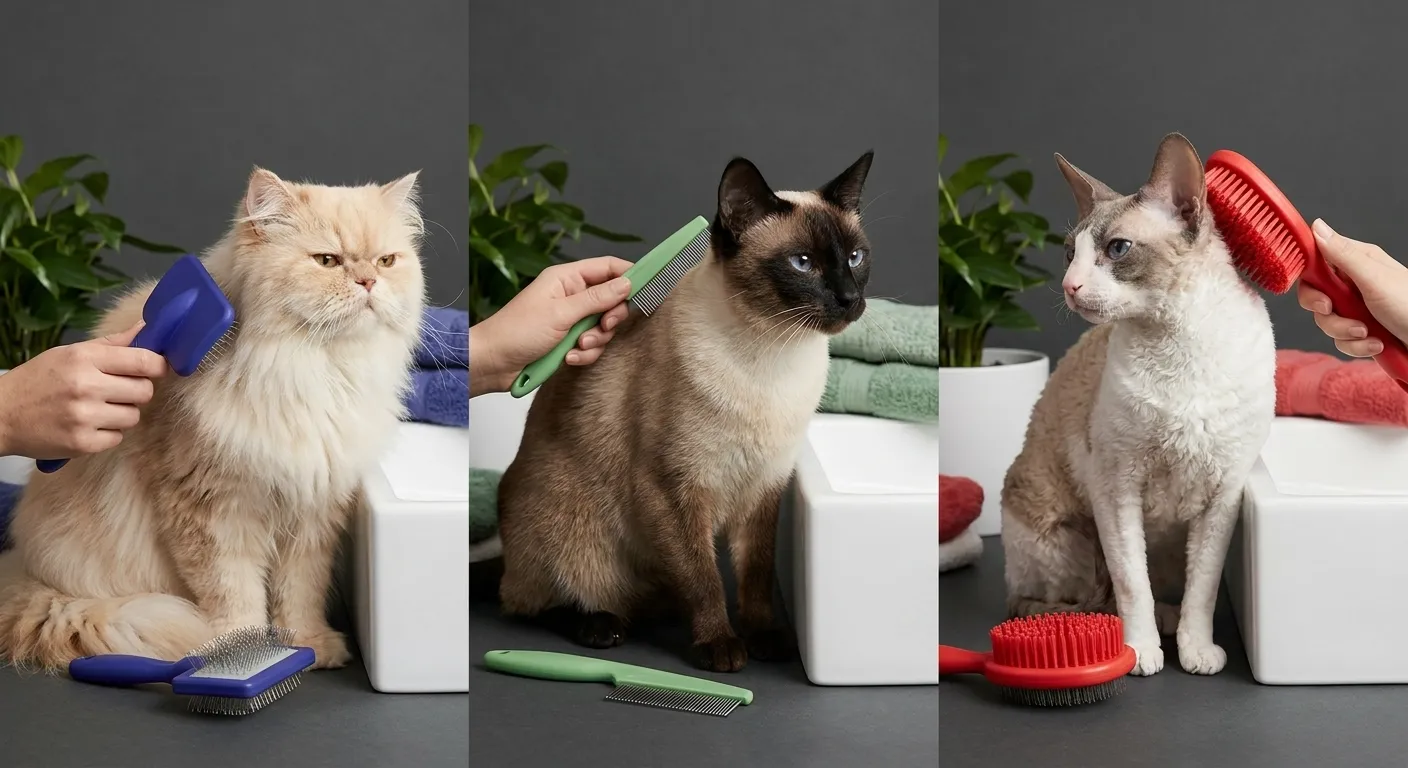
Every cat is unique, and nowhere is this more evident than in their magnificent coats! From the sleek sheen of a Siamese to the luxurious fluff of a Persian, feline fur comes in an astonishing array of textures, lengths, and densities. Understanding these differences is crucial because effective grooming isn’t a one-size-fits-all endeavor. This article delves into grooming different cat coats, providing tailored care strategies to ensure every feline friend looks and feels their absolute best.
Proper coat maintenance extends beyond aesthetics. It’s a vital part of your cat’s overall health and well-being. Regular grooming helps prevent skin issues, reduces hairballs, and strengthens the bond between you and your pet. Therefore, knowing how to care for your specific cat’s fur type is incredibly beneficial.
The Spectrum of Feline Coats: An Overview
Cat coats are broadly categorized by length and texture, each presenting its own set of grooming challenges and needs. For instance, some breeds have a single layer of fur, while others boast a dense double coat. This variety directly impacts the tools and techniques you should employ.
- Short-Haired: This is the most common type, with dense, close-lying fur. Examples include Domestic Shorthairs, Abyssinians, and Siamese. Their coats are generally easier to maintain.
- Long-Haired: These cats feature flowing, often double coats that can reach several inches in length. Think Persians, Maine Coons, and Ragdolls. These majestic coats demand significant attention.
- Medium-Haired: A blend between short and long, with moderate length fur. Breeds like the Siberian or Norwegian Forest Cat fall into this category.
- Curly/Wavy-Haired: Rare and distinctive, like the Devon Rex or Cornish Rex, with delicate, often sparse, curly fur. Their unique texture requires gentle handling.
- Hairless: Breeds like the Sphynx, which, despite their name, require specific skin care to compensate for the lack of fur. Their skin needs regular cleaning and moisturizing.
Each coat type has evolved to suit specific environments, and their grooming requirements reflect these natural adaptations. Understanding these origins can help you appreciate the specific needs of your cat’s fur.
Grooming Short-Haired Cats: Simple & Sweet
Short-haired cats are often considered low-maintenance, but they still benefit greatly from regular grooming. Their dense coats shed, and consistent brushing helps remove loose hair, preventing hairballs and keeping their fur smooth and shiny. Moreover, regular brushing can reduce the amount of cat hair found around your home.
- Tools: A rubber curry brush or a fine-toothed metal comb works wonders. A soft bristle brush can add a lovely polish. These tools are readily available at most pet stores.
- Technique: Aim for weekly brushing sessions. Gently stroke the brush or comb over their body, working from head to tail. The rubber brush also provides a pleasant massage, stimulating blood circulation and distributing natural skin oils. Pay attention to areas where shedding is heaviest, like the back and hindquarters. Furthermore, this routine can be a calming experience for your cat.
Even though their coats are short, consistency is key. Regular grooming sessions prevent issues before they start. This proactive approach saves time and stress for both you and your cat.
Grooming Long-Haired Cats: The Majestic Challenge
Long-haired cats are undoubtedly beautiful, but their flowing locks are prone to matting and tangling, requiring dedicated attention. Without proper care, their fur can quickly become a painful mess, leading to skin irritation and discomfort. Therefore, a diligent grooming routine is essential.
- Tools: A slicker brush, a wide-tooth metal comb, and a deshedding tool are essential. Some owners also find detangling sprays helpful. Investing in quality tools makes a significant difference.
- Technique: Daily or every-other-day brushing is often necessary. Use a technique called ‘line brushing,’ where you part the fur and brush small sections from the skin outwards. Focus on areas notorious for matting: under the armpits, behind the ears, on the belly, and around the ‘pantaloons’ on their hind legs. Always be gentle when encountering tangles, using your fingers or a wide-tooth comb to work them out carefully. Never pull on mats, as this can hurt your cat.
For severe mats, professional help might be necessary. A groomer can safely remove mats without causing pain or injury. This ensures your cat remains comfortable and healthy.
Caring for Medium-Haired Breeds: A Balanced Approach
Medium-haired cats, such as the Siberian or the British Shorthair, present a unique grooming scenario. Their fur isn’t as prone to severe matting as long-haired breeds, but it still requires more attention than short-haired varieties. Therefore, a balanced grooming routine is ideal.
- Tools: A combination of a slicker brush and a metal comb is usually sufficient. A deshedding tool can be beneficial during shedding seasons.
- Technique: Brushing two to three times a week is generally recommended. Focus on thorough strokes to remove loose undercoat and prevent tangles. Pay extra attention to areas that tend to gather more fur, such as the ruff around the neck and the tail. Regular brushing keeps their coats healthy and reduces shedding around the house.
This intermediate coat type benefits from consistent, moderate attention. It helps maintain their beautiful appearance and prevents common coat problems. Therefore, establishing a routine is important.
Specialized Care: Curly, Wavy, and Hairless Coats
Some cat breeds have highly specialized coats that demand unique grooming approaches. Grooming different cat coats like these requires specific tools and techniques to ensure comfort and health.
Curly/Wavy-Haired Cats (e.g., Devon Rex, Cornish Rex)
These breeds have delicate, often sparse, and easily damaged fur. Their curly coats are prone to breakage, not matting. Consequently, gentle care is paramount.
- Tools: A soft rubber brush or even a damp cloth is often preferred over harsh brushes. A soft-bristle brush can also be used.
- Technique: Daily gentle grooming is essential. Lightly brush or wipe their fur to remove loose hairs and distribute natural oils. Avoid over-brushing or using stiff brushes, which can damage their delicate curls. These cats also tend to have oily skin, so occasional bathing with a gentle, cat-specific shampoo may be necessary.
Hairless Cats (e.g., Sphynx)
Despite their name, hairless cats are not maintenance-free. Their lack of fur means their skin is exposed and produces more oil, requiring specific skincare.
- Tools: A soft cloth, cat-specific wet wipes, and a gentle, moisturizing cat shampoo.
- Technique: Regular bathing (weekly or bi-weekly) is crucial to remove excess oil and dirt that can accumulate on their skin. Use lukewarm water and a hypoallergenic shampoo. After bathing, thoroughly dry your Sphynx to prevent chills. Additionally, their ears and skin folds need regular cleaning to prevent infections.
These unique breeds demonstrate that grooming different cat coats extends beyond just brushing. It involves understanding the specific biological needs of each type.
Beyond Brushing: Essential Grooming Practices for All Coats
While brushing is a cornerstone of feline grooming, other practices are equally important for overall health and hygiene. Incorporating these into your routine will greatly benefit your cat.
Bathing Your Cat
Most cats are self-groomers, but some may require occasional baths, especially long-haired cats or those who get particularly dirty. However, bathing should be done sparingly, as it can strip natural oils. Use a cat-specific shampoo and ensure the water is lukewarm. Always introduce baths gradually and positively. For more detailed guidance, consider resources from reputable organizations like the ASPCA.
Nail Trimming
Regular nail trims prevent nails from becoming too long, which can be painful and lead to snags or ingrown claws. Start early to get your kitten accustomed to having their paws handled. Use sharp cat-specific clippers and only trim the very tip, avoiding the quick. If you’re unsure, ask your vet or a professional groomer for a demonstration.
Ear Cleaning
Periodically check your cat’s ears for dirt, wax buildup, or signs of infection. Use a vet-approved ear cleaner and cotton balls (never cotton swabs) to gently wipe the visible parts of the ear. Do not insert anything into the ear canal. If you notice redness, odor, or excessive scratching, consult your veterinarian.
Dental Care
Dental hygiene is often overlooked but is critical for a cat’s health. Brushing your cat’s teeth regularly with a cat-specific toothpaste and toothbrush can prevent plaque and tartar buildup. Dental treats and water additives can also help, but brushing is the most effective method. The AVMA offers excellent resources on pet dental care.
Addressing Common Grooming Challenges
Even with the best intentions, grooming can present challenges. Knowing how to troubleshoot these issues can make the process smoother.
Dealing with Mats and Tangles
For minor tangles, a wide-tooth comb and a detangling spray can often help. Work patiently and gently. For severe mats, especially in long-haired cats, attempting to cut them out at home can be dangerous. Cat skin is thin and easily cut. It is always safer to consult a professional groomer or your veterinarian for mat removal. Prevention through regular brushing is the best strategy.
Shedding Season Strategies
All cats shed, but some more heavily than others, particularly during seasonal changes. During these periods, increase the frequency of brushing. Deshedding tools can be particularly effective in removing the loose undercoat. Consider supplementing your cat’s diet with omega fatty acids, which can promote a healthy coat and reduce excessive shedding.
Making Grooming a Positive Experience
Many cats resist grooming, especially if they haven’t been introduced to it early. Start with short, positive sessions, offering treats and praise. Use a calm voice and gentle movements. If your cat becomes stressed, stop and try again later. Consistency and patience are key to building a positive association with grooming. This approach makes grooming different cat coats a less stressful activity for everyone.
The Benefits of Regular Grooming
Consistent grooming offers numerous advantages for your feline companion, extending beyond just a tidy appearance. It is a fundamental aspect of responsible pet ownership.
- Reduced Hairballs: By removing loose fur, you significantly lessen the amount your cat ingests during self-grooming, thereby reducing hairball frequency.
- Improved Skin Health: Brushing stimulates blood circulation and distributes natural skin oils, which keeps the skin healthy and moisturized. It also allows you to inspect for any skin issues.
- Early Detection of Health Issues: Regular grooming provides an opportunity to check for lumps, bumps, parasites, skin lesions, or any unusual changes that might indicate a health problem.
- Stronger Bond: Grooming sessions, when positive, can deepen the bond between you and your cat. It’s a time for quiet interaction and affection.
- Cleaner Home: Fewer loose hairs on your cat mean less fur on your furniture, clothes, and floors. This is a welcome benefit for any cat owner.
Understanding the unique needs of your cat’s fur and committing to a consistent grooming routine ensures they lead a happier, healthier life. This is especially true when it comes to grooming different cat coats, as each type requires a specific approach.
Conclusion
Ultimately, grooming different cat coats is an art and a science, requiring an understanding of your cat’s unique needs. Whether you have a sleek short-haired cat, a majestic long-haired Persian, or a distinctive Sphynx, tailored care is paramount. By using the right tools, techniques, and a patient approach, you can ensure your feline friend’s coat remains healthy, shiny, and free of mats. Regular grooming not only enhances their physical well-being but also strengthens the special bond you share. Embrace the journey of caring for your cat’s beautiful coat, and you’ll both reap the rewards.
FAQ Section
Why is understanding cat coat types important for grooming?
Understanding different cat coat types is crucial because each type has unique characteristics and needs. For instance, long-haired cats are prone to matting, while short-haired cats mostly need deshedding. Knowing the coat type helps you choose the correct tools and techniques, preventing discomfort or skin issues for your cat.
How often should I groom my short-haired cat?
Short-haired cats generally benefit from weekly brushing. This helps remove loose hair, reduces shedding, prevents hairballs, and keeps their coat shiny. During shedding seasons, you might increase the frequency to twice a week.
What are the biggest challenges when caring for long-haired cat fur?
The primary challenge with long-haired cat fur is matting and tangling. Their long, dense coats can quickly form painful knots if not brushed daily or every other day. Additionally, these coats can trap dirt and debris more easily, requiring diligent attention.
Do hairless cats need grooming?
Yes, hairless cats like the Sphynx require regular grooming, though it focuses on skin care rather than fur. They need weekly or bi-weekly baths to remove excess oil and dirt that accumulates on their skin. Their skin folds and ears also require regular cleaning.
What tools are essential for maintaining a medium-length cat’s fur?
For medium-length cat fur, a combination of a slicker brush and a metal comb is typically essential. A deshedding tool can also be very helpful, especially during periods of heavy shedding, to remove loose undercoat effectively.
Remember, patience and positive reinforcement are key to making grooming a pleasant experience for your cat, regardless of their coat type.
