
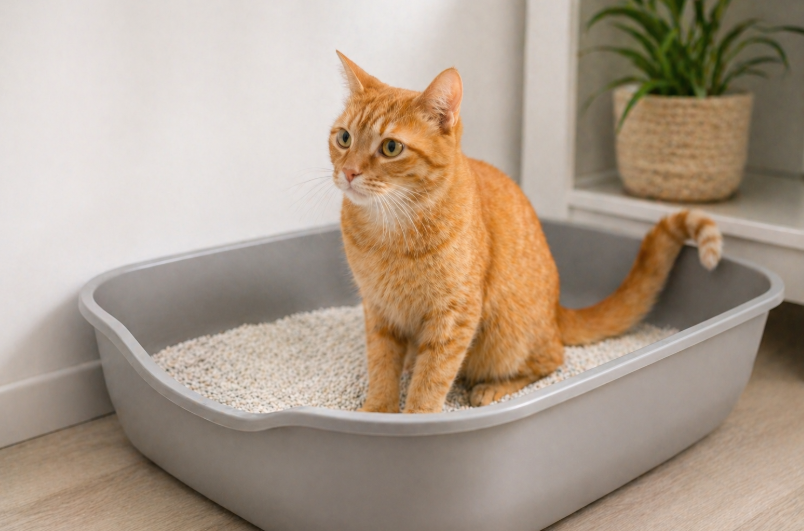
Understanding why litter box cleanliness matters is essential for every cat owner who wants a healthy, happy pet. While it may seem like a simple daily chore, maintaining a clean litter box plays a major role in your cat’s physical health, emotional comfort, and behavior. When cleanliness is overlooked, it can lead to stress, avoidance, and even serious health issues.
Cats are naturally clean animals, so they expect their environment to match that instinct. Therefore, when litter box cleanliness matters but is ignored, your cat may begin to show signs of discomfort. These signs often include refusing the litter box, hiding, or acting out. By keeping the litter area clean and fresh, you create a safe and predictable space your cat can trust.
How Cleanliness Affects Your Cat’s Health
One of the biggest reasons litter box cleanliness matters is its direct impact on your cat’s health. Dirty litter boxes can quickly become breeding grounds for bacteria, which may lead to infections or other health problems. Cats are sensitive to hygiene, so even a slightly dirty box can cause discomfort.
Additionally, ammonia buildup from urine can irritate your cat’s respiratory system. This is especially concerning in enclosed spaces where ventilation is limited. Over time, exposure to these fumes can affect your cat’s well-being.
Regular cleaning helps prevent these risks. By removing waste daily and refreshing the litter frequently, you support your cat’s overall health. This is why litter box cleanliness matters far more than many owners realize.
Behavioral Problems Linked To Dirty Litter Boxes
When litter box cleanliness matters but is not maintained, behavioral issues often follow. Cats may begin avoiding the litter box entirely if it smells or feels unclean. Instead, they may choose other areas in your home, which creates frustration for both you and your pet.
This behavior is not spiteful. Instead, it is your cat’s way of seeking a cleaner environment. Cats rely on scent and texture, so an unpleasant litter box quickly becomes unacceptable.
By keeping the litter box clean, you reduce the chance of these issues. A fresh and comfortable space encourages consistent use. This shows how strongly litter box cleanliness matters when it comes to preventing unwanted behavior.
Stress And Emotional Well-Being
Another important reason litter box cleanliness matters is its effect on your cat’s emotional state. Cats are highly sensitive to their surroundings, and a dirty litter box can create stress and anxiety.
When your cat feels uncomfortable using the litter box, it disrupts their routine. This can lead to increased tension, hiding behavior, or even aggression. Over time, stress can impact your cat’s overall quality of life.
Providing a clean and consistent environment helps your cat feel secure. When litter box cleanliness matters and is maintained, your cat can relax and follow its natural habits without worry. This stability is essential for emotional well-being.
Why Cats Refuse A Dirty Litter Box
If you have ever wondered why your cat suddenly avoids the litter box, the answer often comes down to hygiene. Cats have a strong sense of smell, which makes them highly aware of dirty conditions.
When litter box cleanliness matters but is neglected, odors build quickly. Even if the box looks acceptable to you, your cat may find it overwhelming. This difference in sensitivity explains why cats refuse to use unclean boxes.
Additionally, texture plays a role. Clumped or soiled litter can feel unpleasant under your cat’s paws. By maintaining cleanliness, you ensure the litter box remains inviting and comfortable.
How Often You Should Clean The Litter Box
Understanding proper cleaning frequency is key when litter box cleanliness matters. Ideally, waste should be removed at least once a day. In multi-cat households, more frequent cleaning may be necessary.
Complete litter changes should be done regularly, depending on the type of litter used. Washing the box itself is also important to remove lingering odors and bacteria.
Consistency is crucial. When you maintain a regular cleaning schedule, your cat learns to trust the space. This reinforces positive behavior and shows how much litter box cleanliness matters in daily care.
The Role Of Litter Type And Quality
The type of litter you choose can influence how easily you maintain cleanliness. Some litters control odor better and make waste removal simpler. This makes it easier to keep the box fresh.
High-quality litter reduces moisture and prevents buildup. This improves hygiene and creates a more comfortable surface for your cat. When litter box cleanliness matters, choosing the right product supports your efforts.
However, it is important to consider your cat’s preferences. Some cats are sensitive to texture or scent. Finding the right balance ensures both cleanliness and comfort.
Placement And Environment Matter Too
Where you place the litter box also affects cleanliness and usage. A poorly placed box can lead to faster buildup of odor and waste. Therefore, location is just as important as maintenance.
Choose a quiet, accessible area that allows your cat privacy. Avoid placing the box near food or water, as cats prefer separation. Good ventilation also helps reduce odors.
When litter box cleanliness matters, the surrounding environment should support it. A well-placed box stays cleaner longer and encourages consistent use.
Multiple Cats And Cleanliness Challenges
In homes with multiple cats, litter box cleanliness matters even more. Sharing a single box can quickly lead to overcrowding and hygiene issues. Cats may compete for space or avoid the box altogether.
The general rule is to have one box per cat, plus one extra. This reduces stress and ensures each cat has access to a clean space. More boxes also make it easier to maintain hygiene.
Regular cleaning becomes even more important in these situations. By managing multiple boxes effectively, you maintain a clean and comfortable environment for all your cats.
Long-Term Benefits Of A Clean Litter Box
Maintaining cleanliness offers long-term benefits that go beyond daily convenience. When litter box cleanliness matters and is prioritized, your cat develops consistent habits. This reduces accidents and improves overall behavior.
A clean litter box also makes it easier to monitor your cat’s health. Changes in waste can signal health issues, and a clean box allows you to notice these changes quickly.
Additionally, a fresh environment improves your home’s overall cleanliness. It reduces odors and creates a more pleasant living space. These benefits highlight why litter box cleanliness matters in both the short and long term.
Common Mistakes To Avoid
Even with good intentions, some common mistakes can affect cleanliness. One mistake is waiting too long between cleanings. This allows odor and bacteria to build up quickly.
Another issue is using too little litter. A shallow layer does not absorb waste effectively, which leads to faster contamination. Overfilling, however, can also create mess and discomfort.
Skipping regular box washing is another problem. Residue can remain even after litter changes, affecting hygiene. Avoiding these mistakes ensures that litter box cleanliness matters is consistently maintained.
Conclusion
Understanding why litter box cleanliness matters can transform your approach to cat care. While it may seem like a simple task, it has a powerful impact on your cat’s health, behavior, and emotional well-being. A clean litter box creates a safe, comfortable space that supports your cat’s natural habits.
By maintaining a consistent cleaning routine, choosing the right litter, and providing a proper environment, you prevent many common problems. Your cat becomes more relaxed, more predictable, and healthier overall.
Ultimately, when litter box cleanliness matters in your daily routine, you create a better life for your cat and a cleaner home for yourself. This small effort leads to lasting benefits that both you and your pet will appreciate.
FAQ
- How often should I clean my cat’s litter box?
You should remove waste daily and fully change the litter regularly for best results. - Why does my cat avoid the litter box sometimes?
This often happens when the box is dirty or has a strong odor. - What type of litter is best for maintaining cleanliness?
Clumping litter is often effective because it makes waste removal easier. - How many litter boxes should I have for multiple cats?
It is recommended to have one box per cat plus one extra. - Can a dirty litter box affect my cat’s health?
Yes, it can lead to infections, stress, and other health problems.
