
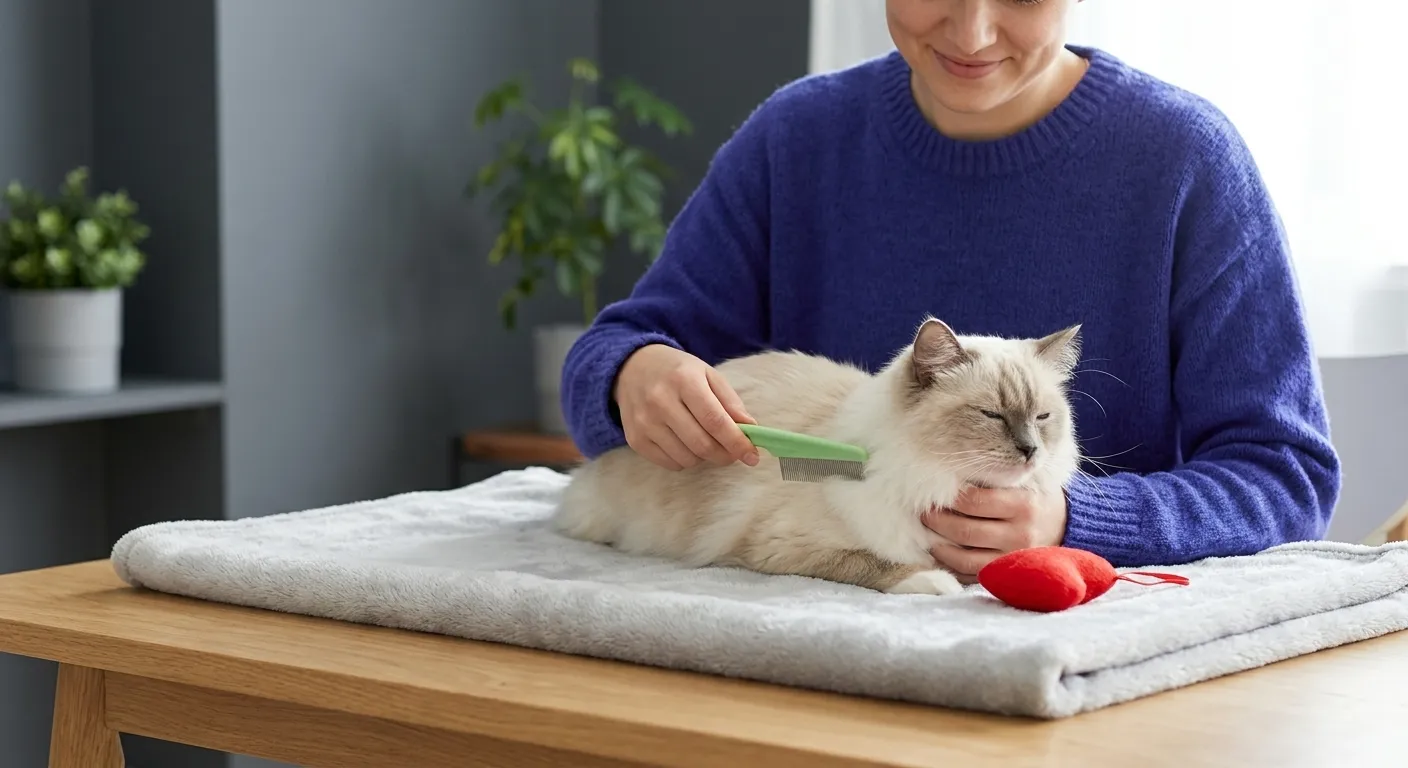
Welcoming a new cat into your home is an exciting journey. For many new owners, the idea of first time cat grooming can feel a bit daunting. You might envision a wrestling match, scratches, or a very unhappy feline. However, it doesn’t have to be that way. At Cat Grooming HQ, we believe that building a positive grooming routine from day one is entirely possible. This fosters a stronger bond between you and your furry friend. This guide will walk you through the fundamentals. It helps you introduce grooming in a way that’s reassuring and even enjoyable for your cat.
Why Gentle Grooming Matters for New Owners
Grooming is more than just aesthetics; it’s a vital part of your cat’s health and well-being. Regular brushing helps prevent mats, distributes natural oils, and reduces hairballs. Furthermore, nail trims protect both your furniture and your cat from painful ingrown claws. Nevertheless, a negative beginner cat grooming experience can make future sessions incredibly difficult. By approaching grooming with patience, positive reinforcement, and the right tools, you can establish a routine that your cat tolerates, and perhaps even looks forward to.
Essential Tools for Stress-Free Grooming
Before you begin, gathering the right supplies is crucial. Think of these as your gentle arsenal:
- Soft-bristle brush or rubber grooming mitt: This is ideal for sensitive skin and short-haired cats. It’s a gentle introduction to the sensation of being brushed.
- Fine-toothed comb: Excellent for checking for fleas or tiny tangles in denser coats.
- Slicker brush (for longer coats): Specifically designed to remove loose fur and prevent matting. However, use with extreme care to avoid scratching the skin.
- Cat-specific nail clippers: These are designed for feline claws. They are safer and more effective than human clippers.
- Styptic powder: This is a must-have for accidental nicks, just in case you trim a nail too short.
- Plenty of high-value treats: These are essential for positive reinforcement during each session.
- A quiet, calm space: Choose an area free from distractions where both you and your cat can relax. For example, a bathroom or a quiet corner of a room works well.
Introducing Grooming to Your Cat: Step-by-Step
The key to successful introducing grooming to cats is gradual exposure and positive associations. Start with very short sessions and build up slowly. In fact, consistency is more important than duration.
- Start with petting: Begin by gently petting your cat in the areas they enjoy most. This helps them relax and associate your hands with comfort.
- Introduce the brush: Let your cat sniff the brush. Place it on the floor, allowing them to investigate. Do not force interaction.
- Short, gentle strokes: When your cat is relaxed, try a few very light strokes with the soft-bristle brush in a low-sensitivity area, like their back. If they tolerate it, give a treat and praise.
- Keep it brief: Initial sessions should last no more than 30 seconds to a minute. The goal is positive association, not a full groom.
- Build duration gradually: Over several days or weeks, slowly increase the length of your grooming sessions. Always end on a positive note.
Making Nail Trims Tolerable
Nail trimming can be one of the most challenging aspects of first time cat grooming. Here’s a gentle approach:
- Handle paws regularly: Begin by simply touching and holding your cat’s paws for a few seconds. Offer a treat immediately.
- Introduce the clippers: Let your cat see and sniff the clippers. Make the sound of the clippers by clipping a piece of spaghetti next to them. This helps them get used to the noise.
- Trim one nail at a time: In fact, you don’t need to trim all nails at once. Try trimming just one nail, then offer a treat and release your cat.
- Locate the quick: The quick is a blood vessel inside the nail. Avoid cutting it, as this can be painful. It appears as a pink area in light-colored claws. For dark claws, only trim the very tip.
- Use positive reinforcement: Always reward your cat with treats and praise after each successful trim.
Similarly, consistency is key. Daily short sessions of paw handling will yield better results than infrequent, long struggles. Moreover, consider watching a video tutorial on how to safely trim cat nails. A good resource is the ASPCA guide on cat grooming tips.
Bathing Your Cat for the First Time (If Necessary)
Most cats are self-cleaning and rarely need a full bath. However, some long-haired breeds or cats with specific health issues might require occasional bathing. If you must bathe your cat, especially for their first time cat grooming experience, preparation is vital.
- Gather everything beforehand: You will need cat-specific shampoo, several towels, a non-slip mat for the tub, and treats.
- Use lukewarm water: Ensure the water is a comfortable temperature. Test it on your wrist.
- Stay calm and reassuring: Your calm demeanor will help your cat feel more secure. Speak in a soothing voice.
- Wet gradually: Use a cup or a sprayer with low pressure to wet your cat from the neck down, avoiding their face.
- Lather gently: Apply a small amount of cat shampoo and lather gently. Rinse thoroughly to prevent skin irritation.
- Wrap in a towel: Immediately wrap your cat in a warm towel after rinsing. Dry them as much as possible before letting them go.
Remember, a traumatic first bath can make future baths nearly impossible. Therefore, prioritize your cat’s comfort and safety above all else. If your cat becomes overly stressed, stop and try again another day. For additional guidance, the Humane Society offers excellent advice on grooming your cat.
Troubleshooting Common Grooming Challenges
Even with the best intentions, you might encounter some resistance during your initial attempts at pet grooming for new cats. Here are some common challenges and solutions:
- Hiding or running away: If your cat hides when you bring out grooming tools, try leaving the tools in their space for a while without attempting to groom. Let them investigate on their own terms.
- Hissing or swatting: These are clear signs your cat is uncomfortable. Stop the session immediately. Reassess your approach and try shorter, more positive interactions next time.
- Biting: If your cat bites, it’s often a sign of fear or overstimulation. Use thick gloves for protection if necessary, but prioritize stopping the behavior by ending the session. Never punish your cat.
- Mats and tangles: For severe mats, especially in long-haired cats, professional help might be needed. Attempting to cut out large mats yourself can injure your cat’s skin.
In fact, patience is your most valuable tool. Every cat is an individual, and some will adapt to grooming more quickly than others. Do not get discouraged if progress is slow. Small, consistent steps will lead to success over time. This gentle introduction to grooming for new cats is a marathon, not a sprint.
Establishing a Positive Grooming Routine
Consistency is paramount when establishing a grooming routine. Here’s how to make it a regular, positive part of your cat’s life:
- Set a schedule: Try to groom your cat at the same time each day or week. This helps them anticipate and get used to the routine.
- Keep it short and sweet: Even once your cat is comfortable, regular short sessions are better than infrequent long ones.
- Always end positively: Finish every grooming session with a treat, playtime, or a favorite cuddle. This reinforces the idea that grooming leads to good things.
- Observe your cat’s body language: Learn to recognize signs of stress (tail swishing, flattened ears, dilated pupils) and comfort (purring, relaxed posture). Adjust your approach accordingly.
- Make it a bonding experience: Grooming can be a wonderful opportunity to connect with your cat. Use gentle strokes and soothing words.
Remember, the goal of first time cat grooming is to create a positive foundation. This ensures a lifetime of easier grooming and a healthier, happier cat. By being patient, understanding, and consistent, you can transform a potentially stressful activity into a shared moment of care.
Moreover, consider the overall environment. A quiet room, soft lighting, and even calming pheromone sprays can contribute to a more relaxed atmosphere for your cat’s initial grooming experiences. The more comfortable your cat feels, the more cooperative they will be. Consequently, this makes the process smoother for both of you.
When to Seek Professional Help
While this guide offers comprehensive advice for first time cat grooming, there are situations where professional assistance is invaluable. If your cat has severe matting that you cannot safely remove, a professional groomer or veterinarian can help. Similarly, if your cat exhibits extreme aggression or fear during grooming attempts, a professional might be able to offer specialized techniques or recommend behavioral training. Sometimes, a vet can even prescribe mild sedatives for particularly anxious cats for grooming purposes. Do not hesitate to consult with experts if you are struggling. Their experience can make a significant difference in your cat’s grooming journey.
Conclusion
Embarking on the journey of first time cat grooming with your new feline companion is a significant step in their care. It establishes not only good hygiene but also strengthens your bond. By approaching grooming with gentleness, patience, and positive reinforcement, you can transform what might seem like a chore into a pleasant routine. Remember to gather the right tools, introduce each step gradually, and always prioritize your cat’s comfort and well-being. With consistent effort and a loving approach, you’ll soon find that grooming becomes a natural and even cherished part of your life together. At Cat Grooming HQ, we are committed to helping you make every grooming experience a positive one for both you and your beloved cat.
FAQ
What is the best way to start grooming a new cat?
Begin by simply petting your cat in areas they enjoy. Gradually introduce grooming tools by letting them sniff and investigate. Use short, gentle strokes with a soft brush, always ending with a treat and praise to create positive associations. Consistency and patience are key for initial cat care.
What tools do I need for my cat’s first grooming session?
You’ll need a soft-bristle brush, cat-specific nail clippers, styptic powder (for safety), and plenty of high-value treats. A fine-toothed comb and a quiet space are also highly recommended for a calm pet grooming introduction.
How often should I groom my cat when they’re new?
For a new cat, start with very short daily sessions (30 seconds to 1 minute) to build comfort. As they become more accustomed, you can gradually increase the duration. Brushing a few times a week is generally good, with nail trims every 2-4 weeks.
My cat hates having their paws touched. How can I trim their nails?
Start by gently touching their paws for a few seconds, then immediately reward with a treat. Gradually increase the duration. Introduce the clippers by letting them hear the sound (clipping spaghetti). When ready, try trimming just one nail at a time, always praising and treating afterward.
When should I consider taking my cat to a professional groomer?
Consider a professional groomer if your cat has severe matting you cannot safely remove, exhibits extreme aggression or fear during home grooming attempts, or if you simply feel overwhelmed. Professionals have specialized tools and experience to handle challenging situations safely.
