
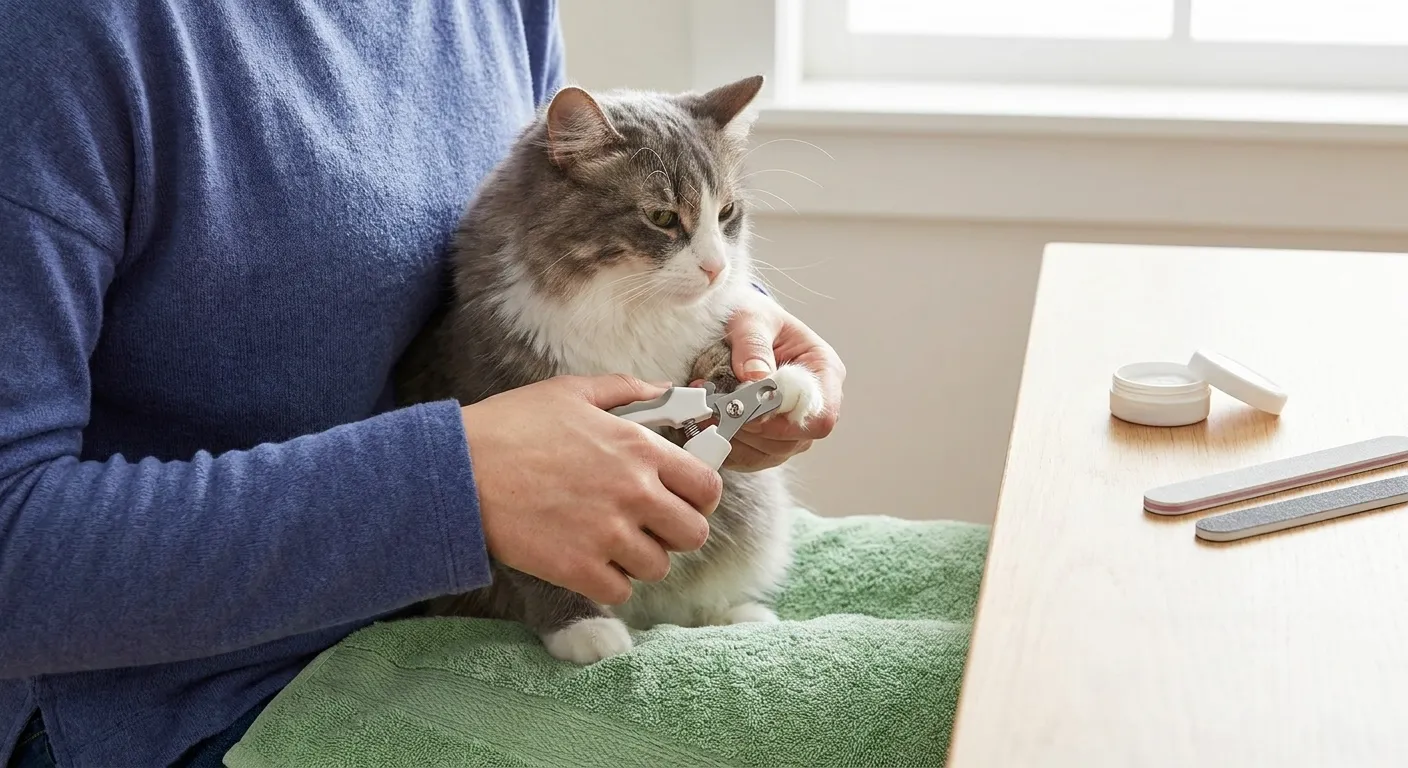
Trimming your cat’s nails can feel like a daunting task for many owners. The fear of ‘quicking’ them—cutting into the sensitive part of the nail—or simply dealing with a resistant cat can make the whole process stressful for both of you. However, regular nail trims are vital for your cat’s health, comfort, and even your furniture’s longevity. This guide focuses on cat nail trimming safety, empowering you to master this essential grooming skill with confidence and minimize stress.
Why Regular Nail Trims Matter for Feline Well-being
Untrimmed claws can lead to a host of problems. For instance, they can grow so long they curl back into the paw pad, causing painful ingrown nails and infections. Long claws are also more prone to snagging on carpets or furniture, which can result in injury. Furthermore, overgrown nails can affect your cat’s gait and posture, potentially leading to joint discomfort over time. Regular trims prevent these issues, ensuring your cat can walk, play, and scratch comfortably.
Understanding Your Cat’s Claws: The Quick Explained
The most important aspect of cat nail trimming safety is understanding the ‘quick.’ The quick is a soft, fleshy part inside each claw that contains blood vessels and nerves. If you cut into the quick, it will bleed and be painful for your cat. This negative experience can make future nail trims incredibly challenging.
- Clear Claws: For cats with light-colored claws, the quick appears as a pinkish area within the transparent nail. You can usually see it easily.
- Pigmented Claws: For cats with dark-colored claws, the quick is much harder to see. In these cases, it’s safer to trim small amounts at a time, looking for a grey or pinkish oval center that indicates you’re close to the quick.
Always err on the side of caution and trim less rather than more. This approach prioritizes your cat’s comfort and builds trust.
Essential Tools for Safe Nail Trimming
Before you begin, gather your supplies. Having everything ready minimizes stress and interruptions during the process.
- Cat Nail Clippers: Choose clippers specifically designed for cats. Scissor-style clippers are often preferred by owners for their precision. Ensure they are sharp to make a clean cut. Dull clippers can crush the nail, causing pain.
- Styptic Powder: This is a non-negotiable item. Keep it on hand to quickly stop bleeding if you accidentally cut the quick. Cornstarch can also work in a pinch, but styptic powder is more effective.
- Treats: High-value treats are crucial for positive reinforcement. These make the experience rewarding for your feline friend.
- Towel: A soft towel can be useful for gently wrapping a nervous cat, offering a sense of security without restricting movement too much.
Step-by-Step Guide to Cat Nail Trimming Safety
1. Preparation is Key
Preparation sets the stage for a successful trimming session. A calm environment helps both you and your cat.
- Calm Environment: Choose a quiet time and place where your cat feels relaxed. Avoid loud noises or distractions.
- Good Lighting: Ensure you have ample light to clearly see the quick. A headlamp can be incredibly helpful for this.
- Desensitization: If your cat isn’t used to paw handling, start by gently touching their paws regularly, rewarding them with treats. Gradually progress to gently pressing on their paw pads to extend the claws, always making it a positive experience. This process can take days or even weeks.
2. Proper Positioning for Comfort
Hold your cat securely but gently. You might sit on the floor with your cat in your lap, facing away from you. Alternatively, some cats prefer being held against your chest. The goal is to make them feel safe and contained without feeling trapped. A towel wrap, often called a ‘kitty burrito,’ can be effective for particularly squirmy cats, leaving one paw exposed at a time.
3. The Trimming Technique
Hold your cat’s paw firmly but gently. Press lightly on the top of the paw and the bottom of the paw pad to extend the claw. Identify the quick. Position the clippers just below the quick, aiming for the sharp tip of the nail. Make a quick, decisive cut. Remember, it’s better to trim off too little than too much. If you are unsure, just take off the very tip. Repeat this process for each nail, taking breaks if your cat becomes agitated. Reward your cat generously with treats and praise after each successful trim, or even after each nail.
What to Do if You Cut the Quick
Accidents happen, even when practicing diligent cat nail trimming safety. If you accidentally cut the quick, don’t panic. Remain calm, as your cat will pick up on your anxiety. Immediately apply styptic powder to the bleeding nail. Press firmly for about 30 seconds to a minute until the bleeding stops. Reassure your cat and offer a treat. If bleeding persists or seems excessive, contact your veterinarian. For more detailed information on managing pet injuries, resources like the ASPCA Animal Poison Control Center offer valuable guidance, although their primary focus is poison control, they emphasize general pet safety.
Making Nail Trims a Positive Experience
Consistency and positive reinforcement are key to stress-free claw care. Short, frequent sessions are often better than long, infrequent ones. Aim to trim your cat’s nails every 2-4 weeks. This keeps the quick from growing too long and makes each session less daunting. Always associate nail trims with positive things: treats, praise, and gentle petting. Never scold or punish your cat for resistance; this will only make them fear the process more. If your cat is extremely resistant, consider starting with just one or two nails at a time, gradually building up to a full trim.
Addressing Common Challenges in Nail Grooming
Many cat owners face obstacles when attempting to trim their cat’s nails. One common issue is a cat that simply won’t cooperate. This often stems from previous negative experiences or a lack of early desensitization. For such cats, patience is paramount. Try making the nail trimming process part of a regular, enjoyable routine. For example, after a play session or during cuddle time, gently handle their paws. If your cat tolerates it for a few seconds, offer a treat. Gradually increase the duration and intensity of the handling. Another challenge is dealing with sharp claws that are difficult to see. In these cases, using a strong flashlight can illuminate the quick from behind the nail, making it more visible. If your cat continually struggles, consider enlisting the help of a professional groomer or your veterinarian. They can demonstrate proper techniques and provide tips tailored to your cat’s temperament.
Long-Term Benefits of Regular Claw Maintenance
Regular claw maintenance extends beyond preventing immediate pain or damage. It contributes significantly to your cat’s overall quality of life. Cats with well-maintained claws are less likely to get caught on fabrics, reducing the risk of painful nail tears. Moreover, proper nail length supports correct paw posture, which is vital for joint health, especially in older cats. Over time, overgrown nails can force a cat to walk on the sides of their paws, leading to discomfort and potential arthritis. By consistently practicing good nail care, you are actively preventing these long-term health issues. This commitment to cat nail trimming safety truly enhances your pet’s comfort and mobility throughout their life. It’s a small effort with significant returns for their well-being.
When to Seek Professional Help
While this guide offers comprehensive advice on cat nail trimming safety, there are times when professional intervention is necessary. If your cat is excessively aggressive, highly anxious, or if you consistently struggle to trim their nails without causing distress, a professional groomer or veterinary technician can help. They have specialized training and tools to handle difficult cats safely. Furthermore, if you notice any signs of infection around the nail, such as swelling, redness, or pus, or if a nail is severely ingrown, it’s crucial to consult your veterinarian immediately. They can provide appropriate medical treatment and address any underlying issues. Don’t hesitate to seek expert assistance; your cat’s health and comfort are the top priority. Veterinary resources like the American Veterinary Medical Association (AVMA) offer general guidance on cat care, reinforcing the importance of professional help when needed.
Conclusion: Embracing Confident Nail Care
Mastering cat nail trimming safety is an essential skill for every cat owner. While it may seem intimidating at first, with the right tools, techniques, and a calm approach, you can transform this potentially stressful task into a routine part of your cat’s grooming. Remember to prioritize your cat’s comfort, use positive reinforcement, and never hesitate to seek professional help if needed. Regular nail trims contribute significantly to your cat’s health, happiness, and overall well-being. By consistently practicing safe and gentle nail care, you’re not only protecting your furniture but also fostering a deeper bond with your beloved feline companion.
FAQ Section
What is the safest way to trim cat nails?
The safest way involves using sharp cat-specific clippers, ensuring good lighting, and identifying the quick (the pink part containing blood vessels). Trim only the sharp tip, avoiding the quick. Use positive reinforcement with treats and maintain a calm environment.
How often should I clip my cat’s claws?
Most cats benefit from having their claws clipped every 2-4 weeks. However, the exact frequency can depend on your cat’s activity level and how quickly their claws grow. Regular checks will help you determine the ideal schedule.
What if my cat hates getting their claws clipped?
If your cat resists, start with desensitization. Gently handle their paws daily, rewarding them with treats. Begin with very short sessions, maybe only one claw at a time, and gradually increase. If severe resistance continues, consider consulting a professional groomer or veterinarian for assistance.
What should I do if I accidentally make a claw bleed?
If you accidentally cut the quick and the claw bleeds, don’t panic. Apply styptic powder (or cornstarch) directly to the bleeding nail and apply firm pressure for about 30-60 seconds until the bleeding stops. Reassure your cat and offer a treat.
Can I use human nail clippers for my cat?
It is not recommended to use human nail clippers for cats. Cat-specific clippers are designed to cut the unique shape of a cat’s nail cleanly and efficiently, reducing the risk of splitting or crushing the nail, which can be painful for your pet.
