
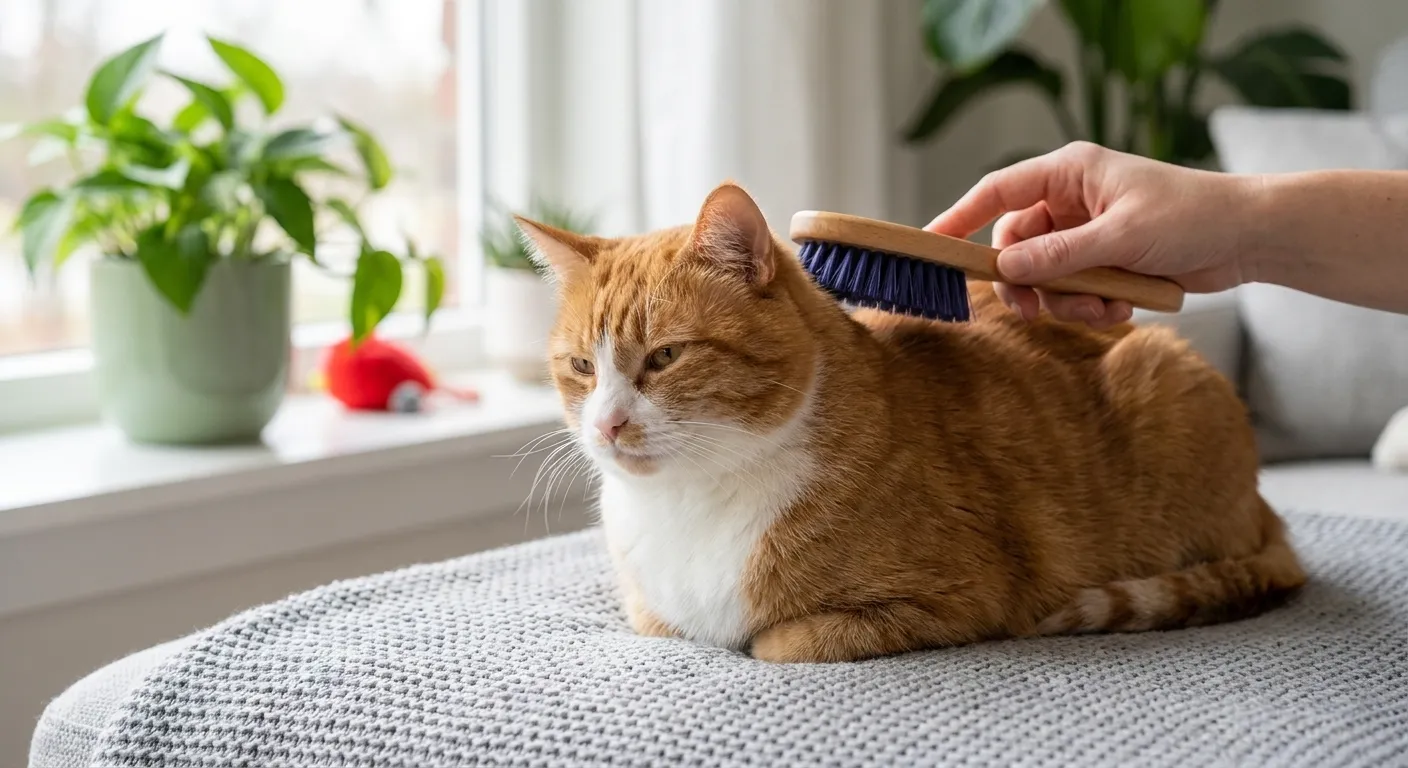
Brushing your cat often feels like a simple chore. Many owners see it as just a way to keep loose fur at bay. However, the benefits of cat brushing extend far beyond just aesthetics. In fact, it plays a crucial role in your feline’s overall health and well-being. Regular brushing is an unsung hero in preventive cat care. It impacts everything from their skin to their digestive system.
More Than Just a Pretty Coat: The Deeper Impact
Many cat owners primarily associate brushing with reducing shedding and preventing hairballs. While these are significant advantages, the physical act of brushing offers much more. It’s a prime opportunity for owners to regularly inspect their cat’s skin and coat. This allows for early identification of potential issues. Furthermore, the gentle massage of a brush stimulates blood circulation. It also distributes natural skin oils, which are vital for a healthy, shiny coat.
The Extensive Benefits of Cat Brushing for Optimal Feline Health
The benefits of cat brushing are multifaceted. Firstly, it significantly reduces the amount of loose fur your cat ingests during self-grooming. As a result, this minimizes the formation of hairballs. It also prevents potential digestive blockages. This can prevent uncomfortable vomiting and even serious health complications. Secondly, regular brushing helps to prevent mats and tangles. These can be painful, pulling on the skin. They also create ideal breeding grounds for parasites and skin infections. For long-haired breeds, this is particularly crucial. Thirdly, brushing acts as a mini-massage. It stimulates blood flow and promotes a healthy skin barrier. This distribution of natural oils helps keep the skin moisturized and the coat lustrous. Lastly, the grooming session provides an excellent opportunity for you to bond with your cat. It builds trust and strengthens your relationship. Moreover, it allows for early detection of fleas, ticks, lumps, bumps, or skin irritations that might otherwise go unnoticed.
Incorporating regular brushing into your routine is a simple yet powerful way to contribute to your cat’s health, comfort, and happiness. Make it a positive experience, and you’ll both reap the rewards.
Understanding the Digestive Advantages of Regular Grooming
One of the most significant benefits of cat brushing directly impacts your cat’s digestive health. Cats are meticulous self-groomers. Consequently, they ingest a substantial amount of loose fur daily. This ingested fur can accumulate in their stomach. Over time, it forms hairballs. Hairballs are uncomfortable and can lead to vomiting. In severe cases, they can cause intestinal blockages, which require veterinary intervention. By regularly brushing your cat, you remove much of this loose fur before they can swallow it. This proactive approach drastically reduces hairball formation. Therefore, it lessens the strain on their digestive system. A reduction in hairballs means less discomfort for your cat. It also means fewer messes for you to clean up. This preventive measure is simple, yet highly effective. It supports their overall gastrointestinal well-being.
Skin and Coat Health: A Visible Improvement
The visual improvements to your cat’s coat are often the first thing owners notice. However, the underlying skin health is just as important. Regular brushing stimulates the sebaceous glands in your cat’s skin. These glands produce natural oils. These oils are essential for maintaining a healthy, shiny coat and moisturized skin. When you brush, you help to distribute these oils evenly across their fur. This natural conditioning keeps their coat soft and prevents dryness. Furthermore, brushing helps to remove dead skin cells and debris. This keeps the skin clean and allows it to breathe. A healthy skin barrier is crucial for protecting your cat from environmental irritants and pathogens. Without regular brushing, these natural oils can build up in some areas and be lacking in others. This can lead to a dull coat or even skin issues. Thus, consistent grooming contributes significantly to both the appearance and health of their skin and fur.
Preventing Painful Mats and Tangles
Mats and tangles are a common problem, especially for long-haired cat breeds. These knots can become incredibly tight and pull on the skin. This causes significant pain and discomfort for your cat. In severe cases, mats can restrict movement and even cut off circulation. Moreover, matted fur creates a warm, moist environment. This is an ideal breeding ground for parasites like fleas and ticks. It can also lead to skin infections due to trapped moisture and bacteria. Regular brushing is the most effective way to prevent these painful issues. By gently working through their fur, you can catch small tangles before they escalate into large, uncomfortable mats. This is particularly important around areas prone to matting, such as behind the ears, under the legs, and around the tail. Preventing mats not only keeps your cat comfortable but also avoids the stress and potential pain associated with professional dematting. It’s a proactive step that saves both you and your feline friend distress.
Early Detection of Health Issues Through Grooming
Beyond the immediate physical benefits, regular brushing offers an invaluable opportunity for early detection of health problems. When you groom your cat, you are physically examining their entire body. This close contact allows you to feel for any unusual lumps or bumps under their skin. You might also notice changes in their skin texture, such as dryness, flakiness, or redness. Furthermore, brushing gives you a chance to spot external parasites like fleas or ticks before they become a major infestation. You can also check for any sores, scabs, or irritations that might indicate an allergic reaction or infection. Early detection of these issues is critical. It allows for prompt veterinary attention, which can lead to more effective treatment and better outcomes. For example, catching a new lump early could mean the difference in treating a benign cyst versus a more serious growth. Therefore, each grooming session is not just about aesthetics; it’s a mini health check. It empowers you to be an active participant in your cat’s ongoing care. For more information on cat health, visit the ASPCA website.
Strengthening the Human-Feline Bond
Grooming is more than a task; it’s an interaction. Regular brushing sessions can significantly strengthen the bond between you and your cat. For many cats, the gentle strokes of a brush are soothing and enjoyable. This positive shared experience builds trust and affection. It allows your cat to associate you with comfort and care. Over time, these sessions can become a cherished ritual. They offer a quiet moment of connection in your busy day. This bond is crucial for a cat’s emotional well-being. A secure and loving relationship reduces stress and anxiety in felines. It makes them feel safer and more comfortable in their home environment. Furthermore, a trusting cat is often more cooperative during other necessary care activities, such as nail trims or medication. Making brushing a calm and positive experience, perhaps with treats or soft praise, reinforces this bond. It transforms a routine chore into a meaningful interaction. This emotional benefit is just as important as the physical advantages. For tips on positive reinforcement, consider resources from The Humane Society.
Making Brushing a Positive Experience for Your Cat
To truly unlock the many benefits of cat brushing, it’s essential to make the experience positive for your feline friend. Start slowly, especially if your cat is new to brushing. Use a soft brush designed for cats. Introduce it gently. Offer treats and praise during the session. Keep initial sessions short, perhaps just a minute or two. Gradually increase the duration as your cat becomes more comfortable. Pay attention to your cat’s body language. If they show signs of discomfort, stop and try again later. Never force the issue. Choosing the right brush is also key. There are various types, including slicker brushes, rubber brushes, and deshedding tools. Experiment to find what your cat prefers. Consistency is important. Establish a regular brushing schedule. This helps your cat anticipate and accept the routine. A calm environment, free from distractions, also contributes to a positive experience. Remember, the goal is to create a moment of relaxation and connection. This ensures both you and your cat look forward to grooming time. A positive experience maximizes all the health and emotional rewards.
Choosing the Right Tools for Effective Grooming
Selecting the appropriate grooming tools is vital for maximizing the benefits of cat brushing. The type of brush you choose should depend on your cat’s fur type and length. For short-haired cats, a rubber curry brush or a fine-toothed comb can be effective. These help to remove loose fur and stimulate the skin without being too harsh. Long-haired cats often benefit from a slicker brush or a wide-toothed comb. These tools are designed to detangle fur and prevent mats more effectively. A deshedding tool, like a FURminator, can also be very useful for reducing shedding. However, these should be used sparingly and carefully to avoid irritating the skin. Always ensure the bristles or teeth of the brush are gentle. They should not scratch or pull on your cat’s skin. Investing in good quality tools makes the brushing process more comfortable for your cat. It also makes it more efficient for you. Regular cleaning of your brushes is also important. This removes trapped fur and dander, ensuring they remain hygienic and effective. The right tools truly enhance the overall grooming experience and its positive outcomes.
Conclusion: Embracing the Full Spectrum of Cat Brushing Benefits
In conclusion, the act of brushing your cat is far more significant than a simple cosmetic routine. The extensive benefits of cat brushing contribute profoundly to your feline companion’s overall health and happiness. From preventing uncomfortable hairballs and severe digestive issues to promoting vibrant skin and a lustrous coat, regular grooming is a cornerstone of preventive care. Furthermore, it serves as a critical opportunity for early detection of potential health concerns. This proactive approach can lead to timely veterinary intervention and better outcomes. Beyond the physical aspects, the shared experience of grooming strengthens the precious bond between you and your cat. It fosters trust and provides a comforting ritual. By incorporating consistent, positive brushing sessions into your routine, you are not just managing shedding. Instead, you are actively investing in your cat’s long-term well-being, comfort, and emotional security. Embrace this unsung hero of cat care, and both you and your feline friend will undoubtedly reap the many rewards.
FAQ
What are the primary advantages of regular cat grooming?
Regular cat grooming offers several key advantages. It significantly reduces hairballs, promotes healthy skin and a shiny coat by distributing natural oils, and prevents painful mats and tangles. Moreover, it allows for early detection of health issues like lumps or parasites and strengthens the bond between cat and owner.
How does brushing help prevent hairballs in cats?
Brushing helps prevent hairballs by removing loose fur from your cat’s coat before they can ingest it during self-grooming. Since hairballs form from swallowed fur accumulating in the digestive system, reducing the amount of fur ingested directly minimizes their formation and the associated discomfort.
Can grooming improve my cat’s skin and coat health?
Absolutely. Grooming stimulates blood circulation in the skin and distributes natural sebaceous oils across the coat. This keeps the skin moisturized and the fur lustrous. It also removes dead skin cells and debris, allowing the skin to breathe and maintaining a healthy barrier against irritants.
How often should I brush my cat for best results?
The ideal brushing frequency depends on your cat’s coat type. Short-haired cats may benefit from brushing a few times a week, while long-haired cats or those prone to matting might need daily brushing. Consistency is more important than duration; even short, regular sessions are highly beneficial.
What are the emotional benefits of grooming my cat?
Grooming sessions provide a wonderful opportunity for positive interaction, which strengthens the bond and trust between you and your cat. The gentle strokes can be soothing and enjoyable for your cat, making them feel loved and secure. This positive interaction contributes to their overall emotional well-being and reduces stress.
What tools are best for feline coat care?
The best tools vary by coat type. For short-haired cats, a rubber curry brush or fine-toothed comb works well. Long-haired breeds benefit from slicker brushes or wide-toothed combs to prevent tangles. Deshedding tools can also be effective but should be used carefully. Always choose brushes with gentle bristles to avoid skin irritation.
