
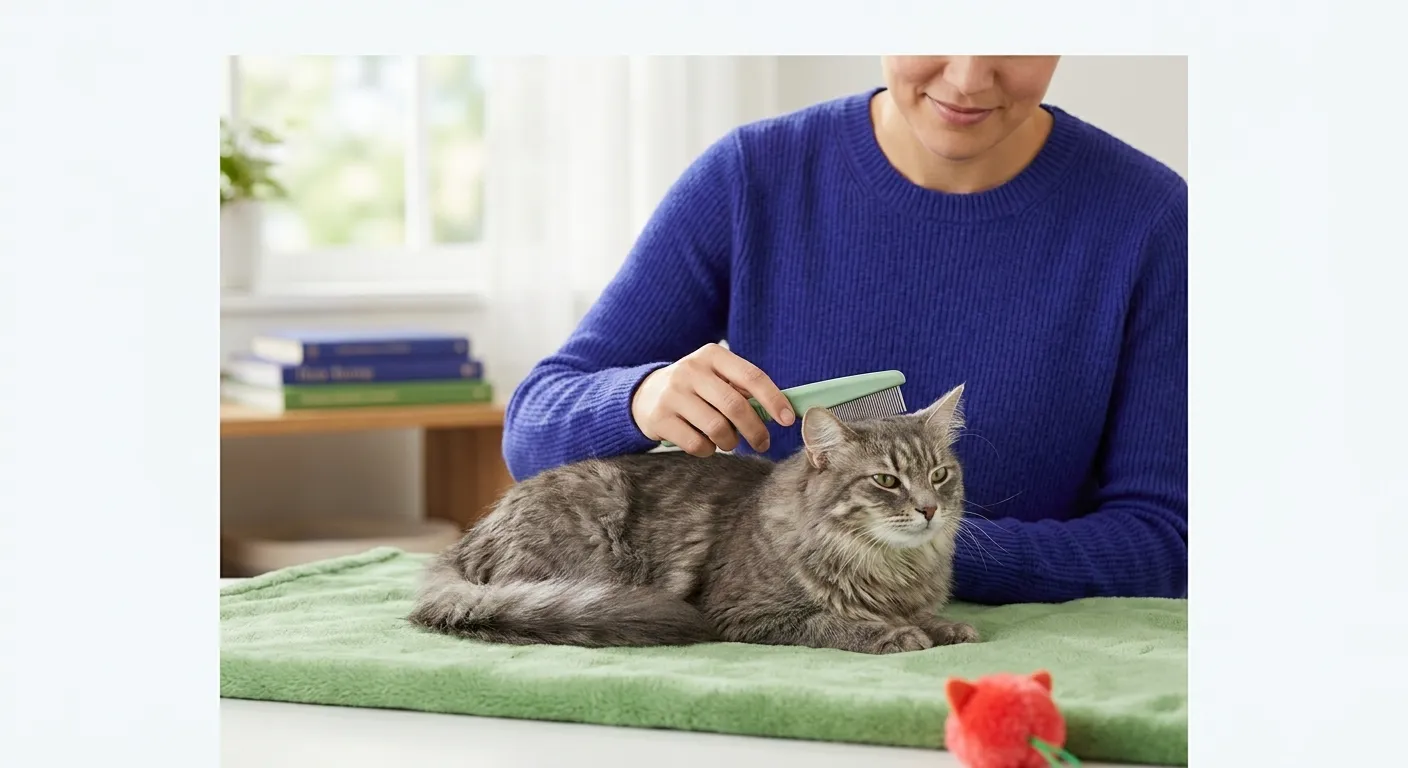
Bringing a new cat into your home is an exciting adventure. However, it often comes with new responsibilities. For many, this includes a healthy dose of anxiety. Among the top concerns for new owners? Grooming. Many new cat owners harbor cat grooming fears debunked. Yet, with the right information and a supportive approach, these worries can be easily addressed and overcome. At Cat Grooming HQ, we’re here to offer reassurance and practical advice. We aim to transform your apprehension into confidence.
Myth 1: “I’ll accidentally hurt my cat while grooming.”
This is perhaps the most common of all new cat owner grooming worries. The delicate nature of cat skin and the quick in their nails can be intimidating. However, with the proper tools and technique, the risk of injury is minimal. Indeed, most grooming injuries occur due to using inappropriate tools. For example, human nail clippers are unsuitable. Rushing the process also increases risk. Cat Grooming HQ recommends blunt-tip scissors-style nail clippers designed specifically for cats. Furthermore, soft brushes that won’t scratch their skin are ideal.
Start slowly. If clipping nails, only trim the very tip of the clear part of the nail. Avoid the pink ‘quick.’ For brushing, use gentle strokes. If your cat resists, pause and try again later. Always use positive reinforcement. Patience is your best friend in this situation. Consequently, you will build trust with your feline companion.
Myth 2: “My cat will hate me if I try to groom them.”
It’s natural to want your cat to love you. The thought of causing them distress can be heartbreaking. This fear often leads owners to avoid grooming altogether. Unfortunately, this can result in more serious issues like matting. Cats thrive on routine and clear boundaries. While some cats may initially protest, consistent, positive grooming sessions actually strengthen your bond. When grooming is done gently and paired with treats and praise, cats learn to associate it with positive outcomes. This helps to alleviate any apprehension.
Begin with very short sessions, even just 30 seconds! Always end on a good note. Offer a favorite treat and plenty of praise immediately after. Over time, your cat will come to understand that grooming is a normal, albeit sometimes annoying, part of their life. Rewards follow these sessions. This approach helps in overcoming cat grooming anxiety for both of you. Therefore, consistency is key.
Myth 3: “Cat grooming is too hard/complicated for me to do at home.”
Browsing through articles or watching professional groomers can make the process seem incredibly complex. This leads to the belief that only experts can manage feline grooming concerns effectively. While professional groomers are invaluable for complex tasks or severely matted coats, basic routine grooming for most cats is entirely manageable for owners at home. It’s about building foundational skills, not becoming a master groomer overnight. Focus on the fundamentals: regular brushing, occasional nail trims, and checking their ears. These simple steps make a big difference.
Many resources are available to guide you. Cat Grooming HQ offers detailed tutorials and step-by-step guides. These resources break down complex tasks into simple, manageable steps. You can learn how to safely trim nails or effectively brush different coat types. Moreover, watching videos can be incredibly helpful. Seeing the techniques demonstrated can build confidence. Remember, every expert started as a beginner. Your willingness to learn is the most important tool you have. In fact, many owners find great satisfaction in grooming their own cats.
Understanding Your Cat’s Needs: A Foundation for Overcoming Cat Grooming Fears Debunked
Addressing cat grooming fears debunked starts with understanding your cat’s unique needs. Not all cats are the same. Some enjoy being brushed, while others tolerate it. Some have short coats, while others have long, luxurious fur requiring more attention. Knowing your cat’s breed, age, and temperament will help you tailor your grooming approach. For instance, an elderly cat might be more sensitive to touch. A kitten, conversely, might be more playful and easily distracted during grooming.
Observe your cat’s body language. This is crucial. If their tail is swishing rapidly, ears are flattened, or they are growling, they are likely stressed. Stop the session immediately. Respecting these signals builds trust. Pushing through resistance can create negative associations. Conversely, a relaxed cat might purr or knead. These are positive signs. Learning these cues allows you to adjust your pace and technique. Ultimately, this makes the experience more positive for both of you. Consequently, grooming becomes a bonding activity rather than a chore.
The Right Tools for the Job: Essential for Addressing Cat Grooming Fears Debunked
Having the correct grooming tools is fundamental to successful and stress-free grooming. Using human tools or low-quality pet tools can cause discomfort or even injury. This, in turn, reinforces cat grooming fears debunked. Invest in good quality, cat-specific tools. These include a variety of brushes, nail clippers, and perhaps a comb.
- Brushes: Choose brushes appropriate for your cat’s coat type. A slicker brush works wonders for removing loose fur and mats from long-haired cats. A rubber curry brush is excellent for short-haired breeds. It massages the skin while removing dead hair.
- Nail Clippers: Opt for scissors-style or guillotine-style clippers designed for cats. Make sure they are sharp. Dull clippers can crush the nail, causing pain.
- Combs: A fine-toothed comb can help with face grooming. A wide-toothed comb is useful for detangling longer fur.
- Shampoos and Conditioners: If bathing is necessary, use cat-specific products. Human shampoos can irritate a cat’s skin.
Proper tool maintenance is also important. Clean brushes regularly. Sharpen clippers or replace them when they become dull. Storing tools neatly ensures they are always ready for use. This preparation contributes significantly to a smooth grooming experience. Moreover, it reduces anxiety for both you and your cat.
Creating a Positive Grooming Environment: A Key to Overcoming Cat Grooming Anxieties
The environment where you groom your cat significantly impacts their cooperation. A calm, quiet space is ideal. Avoid noisy areas or places with high traffic. Choose a time when your cat is naturally relaxed, perhaps after a meal or a play session. A quiet room with soft lighting can make a big difference. Similarly, a non-slip surface can provide stability. This makes your cat feel more secure. For example, a rubber mat on a table can prevent slips. This reduces fear and discomfort.
Introduce grooming tools slowly. Let your cat sniff and investigate them. Offer treats as they interact positively with the tools. This desensitization process is vital. It helps your cat associate the tools with positive experiences. Never force your cat into a grooming session. This will only increase their stress. Instead, aim for short, frequent sessions. Gradually increase the duration as your cat becomes more comfortable. This patient approach is key to transforming grooming into a positive routine. Indeed, it helps in addressing common cat grooming fears debunked. For more information on creating a stress-free environment, consider resources from the ASPCA.
Addressing Specific Cat Grooming Fears Debunked: Beyond the Basics
While the common myths cover broad anxieties, specific concerns often arise. Let’s delve into some of these. These might include bathing, dealing with mats, or handling sensitive areas like ears and teeth. Each of these can contribute to cat grooming fears debunked if not approached correctly.
Bathing Your Cat: A Less Frightening Experience
Many owners dread bathing their cats. Cats are generally not fond of water. However, some situations require a bath. For instance, if your cat gets into something toxic or has a skin condition. Prepare everything beforehand. This includes cat-specific shampoo, towels, and a non-slip mat in the tub. Use lukewarm water. Speak in a calm, soothing voice. Avoid getting water in their ears or eyes. Rinse thoroughly to prevent skin irritation. After the bath, wrap your cat in a warm towel. Offer a special treat. This helps create a positive association. Remember, not all cats need regular baths. Frequent brushing often suffices.
Dealing with Mats and Tangles
Mats can be painful for cats. They pull on the skin and can hide skin infections. Prevention is always better than cure. Regular brushing, especially for long-haired breeds, is crucial. If you find a small mat, try to gently work it out with your fingers or a wide-toothed comb. Use a mat splitter if necessary. Be extremely careful not to cut the skin. For large or severe mats, it’s best to consult a professional groomer or your veterinarian. Trying to remove large mats yourself can cause significant pain and injury. This reinforces negative grooming perceptions. Therefore, early detection through regular checks is vital.
Ear and Dental Care: Overcoming Apprehension
Cleaning your cat’s ears and brushing their teeth are essential for their overall health. Yet, these tasks can seem daunting. For ear cleaning, use a veterinarian-approved ear cleaner and cotton balls. Never use cotton swabs inside the ear canal. Gently wipe the visible parts of the ear. If you notice redness, discharge, or a foul odor, consult your vet. For dental care, start with a cat-specific toothbrush and toothpaste. Human toothpaste is toxic to cats. Introduce brushing slowly. Let your cat lick the toothpaste first. Gradually introduce the brush. Regular dental care prevents serious health issues. Furthermore, it contributes to their general well-being. The American Veterinary Medical Association offers excellent resources on pet dental health.
Building a Routine: The Ultimate Cat Grooming Fears Debunked Strategy
Consistency is paramount in overcoming cat grooming fears debunked. Establish a regular grooming routine. This helps your cat know what to expect. It also makes them more accepting of the process. Even short, daily sessions are more effective than infrequent, long ones. For example, a quick brush every evening can prevent mats. A weekly nail check keeps claws healthy. When grooming becomes part of their normal life, cats are less likely to resist.
Remember to always end on a positive note. A treat, praise, or a short play session reinforces good behavior. This positive reinforcement is key. It helps your cat associate grooming with pleasant outcomes. Gradually, you will notice a significant reduction in their anxiety. Your confidence will grow too. You will become more skilled. Your cat will become more comfortable. This symbiotic relationship transforms grooming into a positive experience for everyone involved.
Moreover, consider the long-term benefits. Regular grooming prevents many health problems. These include skin infections, painful mats, and dental disease. By addressing your grooming anxieties, you are not only making your cat happier. You are also ensuring their long-term health and comfort. This is a profound responsibility. It is also a rewarding one. Ultimately, understanding and acting on these cat grooming fears debunked creates a stronger bond between you and your feline friend. You will both benefit greatly from the effort.
Conclusion: Embracing Confidence in Cat Grooming
Overcoming your cat grooming fears debunked is an achievable goal. It requires patience, the right tools, and a deep understanding of your cat’s needs. Remember, you are not alone in these anxieties. Many cat owners share similar concerns. By debunking common myths and providing practical advice, Cat Grooming HQ empowers you. You can transform grooming from a dreaded task into a positive bonding experience. Start small, be consistent, and always prioritize your cat’s comfort and well-being. With time and effort, you’ll find that grooming can be a rewarding part of your life together. It will strengthen the special connection you share with your beloved feline companion. Embrace the journey with confidence. Enjoy the purrs that follow a successful grooming session.
FAQ: Common Questions About Cat Grooming
What if my cat still resists grooming after trying these tips?
If your cat continues to show strong resistance or aggression during grooming, it’s wise to consult with your veterinarian or a certified professional groomer. They can assess if there’s an underlying medical issue causing discomfort or provide personalized behavioral guidance. Sometimes, a professional can offer techniques or tools specific to your cat’s temperament.
How often should I groom my cat?
The frequency of grooming depends on your cat’s breed, coat type, and lifestyle. Short-haired cats generally need brushing a few times a week. Long-haired cats may require daily brushing to prevent mats. Nail trims are typically needed every 2-4 weeks. Ear and dental checks should be part of a weekly routine, with cleaning as needed.
Can I groom my cat without getting scratched?
Minimizing scratches involves careful handling, appropriate tools, and patience. Start grooming when your cat is relaxed. Use gentle strokes and short sessions. Consider wearing gloves initially if you’re very concerned. Always watch your cat’s body language for signs of stress. Stop if they show discomfort to avoid escalating the situation.
Is it ever too late to start grooming an older cat?
It’s never too late to introduce grooming, even for an older cat. However, older cats may have arthritis or other health issues that make grooming uncomfortable. Be extra gentle and use soft brushes. Consult your vet before starting a new routine. They can advise on the best approach for an aging feline.
What are the signs that my cat needs professional grooming?
Signs your cat might need professional grooming include severe matting that you cannot safely remove, excessive shedding that you can’t manage, skin issues requiring special attention, or if your cat becomes overly stressed or aggressive during home grooming attempts. Professionals have specialized tools and expertise for challenging situations.
