
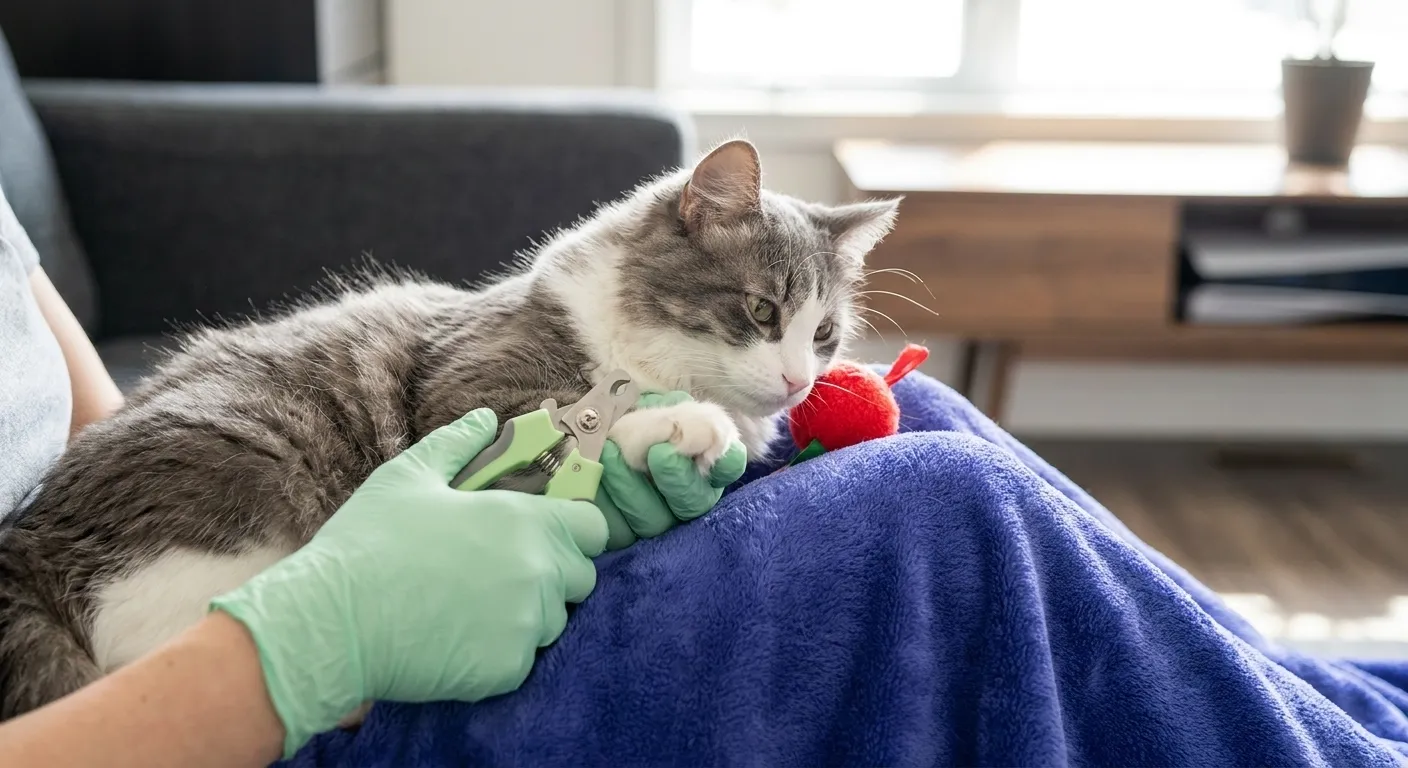
Many cat owners find the task of how to safely trim cat nails intimidating. The fear of cutting too far, causing pain, or simply encountering a resistant cat can make this essential grooming task feel like a battle. However, regular nail trims are vital for your cat’s health and comfort. They prevent painful ingrown claws, reduce destructive scratching, and even improve their gait. At Cat Grooming HQ, we’re here to demystify the process. We provide a clear, step-by-step guide to help you confidently and gently trim your cat’s nails, making it a positive experience for both of you.
Why Nail Trimming Matters for Your Cat’s Well-being
Cats’ claws are designed for hunting, climbing, and self-defense. Unlike dogs, cats retract their claws; however, they still grow continuously. If not trimmed, they can become too long, leading to several problems.
- Pain and discomfort: Overly long claws can curve into paw pads. This causes painful punctures and infections.
- Mobility issues: Long nails can make walking uncomfortable. This alters your cat’s gait and potentially leads to joint problems.
- Increased destructive scratching: Cats with long nails are more likely to snag them on furniture or carpets. This leads to damage.
- Injury risk: Long, sharp claws can accidentally scratch you or other pets during play.
Learning cat claw clipping tips is therefore not just about convenience. It’s a fundamental aspect of responsible pet ownership. Furthermore, regular trims contribute significantly to your cat’s overall quality of life.
Gathering Your Tools: Clippers and Styptic Powder
Before you begin, ensure you have the right equipment. Also, choose a calm, quiet environment.
- Cat-specific nail clippers: Choose between scissor-style or guillotine-style clippers. Scissor-style are generally preferred for their precision and ease of use for most cats.
- Styptic powder: This is a crucial safety item. In case you accidentally cut the quick (the blood vessel inside the nail), styptic powder will quickly stop the bleeding. Have it within arm’s reach.
- High-value treats: These are essential for positive reinforcement.
- A towel: This can be used to gently wrap a more nervous cat, providing a sense of security.
Step-by-Step: The Gentle Art of How to Cut Cat Claws
Approach this task with patience and a calm demeanor. If your cat is particularly resistant, start with very short sessions. Gradually increase duration.
- Choose the right time: Select a time when your cat is relaxed, perhaps after a nap or a meal. Avoid times when they are overly playful or agitated.
- Position your cat: Hold your cat gently but securely. Some owners prefer to hold them on their lap. Others find wrapping them loosely in a towel helpful. Ensure you have good lighting.
- Locate the quick: Gently press on your cat’s paw pad to extend the claw. The quick is the pink part visible inside the nail. It contains blood vessels and nerves. On dark nails, the quick is harder to see. In such cases, only trim the very tip.
- Make the cut: Hold the clippers firmly. Cut only the very tip of the nail, just before the quick. Make a swift, clean cut. Avoid squeezing the paw too hard.
- Reward immediately: After each successful trim (even if it’s just one nail), offer a high-value treat and praise your cat. This creates a positive association.
- Repeat and release: Continue with the remaining nails, taking breaks if your cat becomes stressed. If your cat tolerates only one or two nails per session, that’s perfectly fine. You can always finish another time.
Understanding the Quick: A Crucial Detail for Cat Nail Clipping
The quick is a sensitive area within your cat’s nail. It contains blood vessels and nerves. Cutting into the quick is painful for your cat and will cause bleeding. Therefore, it’s paramount to identify its location before making any cuts. For cats with clear or light-colored nails, the quick appears as a pinkish area. The outer part of the nail, which is safe to trim, is white or translucent. Conversely, for cats with dark nails, the quick is much harder to see. In these instances, it is safer to trim only the very tip of the nail. You should make small, incremental cuts to avoid the quick. If you are unsure, consult your veterinarian or a professional groomer for guidance. They can show you how to identify the quick accurately.
What to Do If You Accidentally Cut the Quick
Despite your best efforts, accidents can happen. If you accidentally cut the quick, do not panic. Your cat might yelp or pull away, and the nail will bleed. Immediately apply styptic powder to the bleeding nail. Press firmly for several seconds until the bleeding stops. If you don’t have styptic powder, cornstarch or flour can be used as a temporary measure, but styptic powder is most effective. Reassure your cat with a calm voice. Offer a treat to help them associate the experience with something positive, even after a mishap. Monitor the paw for any signs of infection in the following days, such as swelling or redness. Consult your vet if you have any concerns.
Building Positive Associations: Making Nail Trimming a Breeze
For many cats, the idea of having their paws handled is inherently stressful. Therefore, building positive associations is key to making nail trimming a more pleasant experience for everyone involved. Start with short, positive interactions. Gently touch your cat’s paws for a few seconds each day. Reward them with treats and praise immediately. Gradually increase the duration of paw handling. Next, introduce the clippers. Let your cat sniff them. Give them a treat. Don’t even attempt to clip at this stage. Simply allow them to get used to the presence of the tools. Furthermore, try pressing their paw pads to extend the claws without clipping. Again, reward generously. By breaking the process down into small, manageable steps, you can help your cat become accustomed to the routine. This proactive approach will significantly reduce stress when you eventually need to safely trim cat nails.
Tips for a Stress-Free Cat Nail Clipping Experience
Even with preparation, some cats remain apprehensive. Consider these additional tips to create a more relaxed environment:
- Start young: If you have a kitten, begin handling their paws and introducing clippers early. This helps them acclimate more readily.
- Use pheromone sprays: Feline pheromone sprays or diffusers can help create a calming atmosphere. Spray a towel or the grooming area about 15 minutes before starting.
- Work with a helper: A second person can help hold your cat gently while you focus on the clipping. This makes it easier to safely trim cat nails, especially for wiggly felines.
- Take breaks: If your cat shows signs of stress (tail twitching, flattened ears, struggling), take a break. Resume when they are calm again, or try another day.
- Consistency is key: Regular, short sessions are better than infrequent, long, stressful ones. Aim for every 2-4 weeks.
The Benefits of Regular Cat Nail Care
Maintaining your cat’s nail health goes far beyond preventing furniture damage. Regular nail care contributes significantly to their overall well-being and quality of life. For instance, properly trimmed claws reduce the risk of painful ingrown nails, which can lead to infections and discomfort. Long nails can also alter a cat’s natural gait, putting unnecessary strain on their joints over time. This could potentially lead to arthritis or other mobility issues as they age. Moreover, well-maintained nails prevent accidental scratches during play, making interactions with your cat more enjoyable for everyone. By taking the time to safely trim cat nails, you are actively participating in preventative health care for your beloved pet. This simple act of grooming can save your cat from unnecessary pain and veterinary visits in the long run.
Recognizing When Your Cat Needs a Trim
How do you know it’s time for a trim? There are several tell-tale signs. Firstly, if you hear your cat’s claws clicking on hard floors as they walk, their nails are likely too long. Secondly, examine their paws. If the claws extend beyond the paw pads, they need to be trimmed. Thirdly, observe their scratching behavior. While scratching is natural, excessively long nails can cause them to get snagged more frequently, leading to frustration and potential damage to furniture. Furthermore, if you notice your cat chewing or licking their paws more than usual, it could be a sign of discomfort from overgrown nails. Regular checks, ideally weekly, will help you determine the optimal trimming schedule for your individual cat. Remember, consistency is vital when you want to safely trim cat nails.
Professional Help for Trimming Your Cat’s Nails
While learning to safely trim cat nails at home is a valuable skill, it’s perfectly acceptable to seek professional help. Some cats are simply too resistant or anxious for at-home trims, even with the most patient owner. In such cases, a professional groomer or your veterinarian can perform the task safely and efficiently. They have experience with nervous cats and possess the skills to complete the trim quickly, minimizing stress. Moreover, if your cat has dark nails where the quick is difficult to see, a professional can offer expert guidance or perform the trim themselves. Don’t view seeking professional help as a failure; rather, see it as prioritizing your cat’s comfort and safety. A positive grooming experience, whether at home or with a professional, is always the goal.
For more information on general cat health and care, you can visit ASPCA Cat Care. They provide excellent resources for cat owners.
Maintaining Nail Health Beyond Trimming
Beyond regular trimming, other factors contribute to healthy cat nails. Provide plenty of scratching posts and surfaces. Cats need to scratch to remove the outer sheath of their claws, which helps keep them sharp and healthy. Offer a variety of textures, such as sisal, cardboard, and carpeted posts, to see what your cat prefers. Ensure the scratching posts are tall and sturdy enough for your cat to stretch fully. Additionally, a balanced diet rich in essential nutrients supports overall health, including strong nails. Consult your vet if you notice any unusual changes in your cat’s nails, such as brittleness, discoloration, or swelling, as these could indicate underlying health issues. By combining regular trims with good environmental enrichment and a healthy diet, you ensure your cat’s paws remain in top condition. This comprehensive approach helps you truly safely trim cat nails effectively.
You can also find useful tips on cat behavior and welfare from The Humane Society, which often includes advice on grooming and enrichment.
Conclusion: Confidently Caring for Your Cat’s Claws
Learning to safely trim cat nails is an essential part of responsible cat ownership. It might seem daunting at first, but with patience, the right tools, and a positive approach, you can master this skill. Remember to start slow, reward frequently, and prioritize your cat’s comfort above all else. Regular nail care prevents pain, promotes good health, and strengthens the bond between you and your feline companion. By following this guide from Cat Grooming HQ, you’ll be well on your way to confidently maintaining your cat’s paw health, ensuring a happier, healthier life for your cherished pet.
Frequently Asked Questions About Cat Nail Trimming
How often should I trim my cat’s claws?
Most cats need their claws trimmed every 2 to 4 weeks. However, this can vary based on their activity level and age. Older or less active cats might need more frequent trims. Conversely, active cats might wear their nails down naturally.
What if my cat hates having their paws touched?
Start with very short, positive sessions. Gently touch a paw for a second, then immediately reward with a treat. Gradually increase the duration over days or weeks. Patience and positive reinforcement are crucial for helping your feline friend accept paw handling.
Can I use human nail clippers for my cat?
No, it’s not recommended. Human nail clippers can split or crush a cat’s nail, causing pain and potential damage. Always use clippers specifically designed for cats. These provide a cleaner, safer cut.
My cat’s nails are very dark. How can I avoid cutting the quick?
For dark nails, it’s much harder to see the quick. Trim only the very tip of the nail, taking off tiny slivers at a time. If you’re unsure, it’s best to consult a veterinarian or professional groomer. They can show you the correct technique or perform the trim themselves.
What are the signs of an ingrown nail in cats?
Signs of an ingrown nail include limping, excessive licking or chewing of the paw, swelling or redness around the nail, and reluctance to put weight on the paw. If you suspect an ingrown nail, contact your veterinarian immediately for treatment.
