
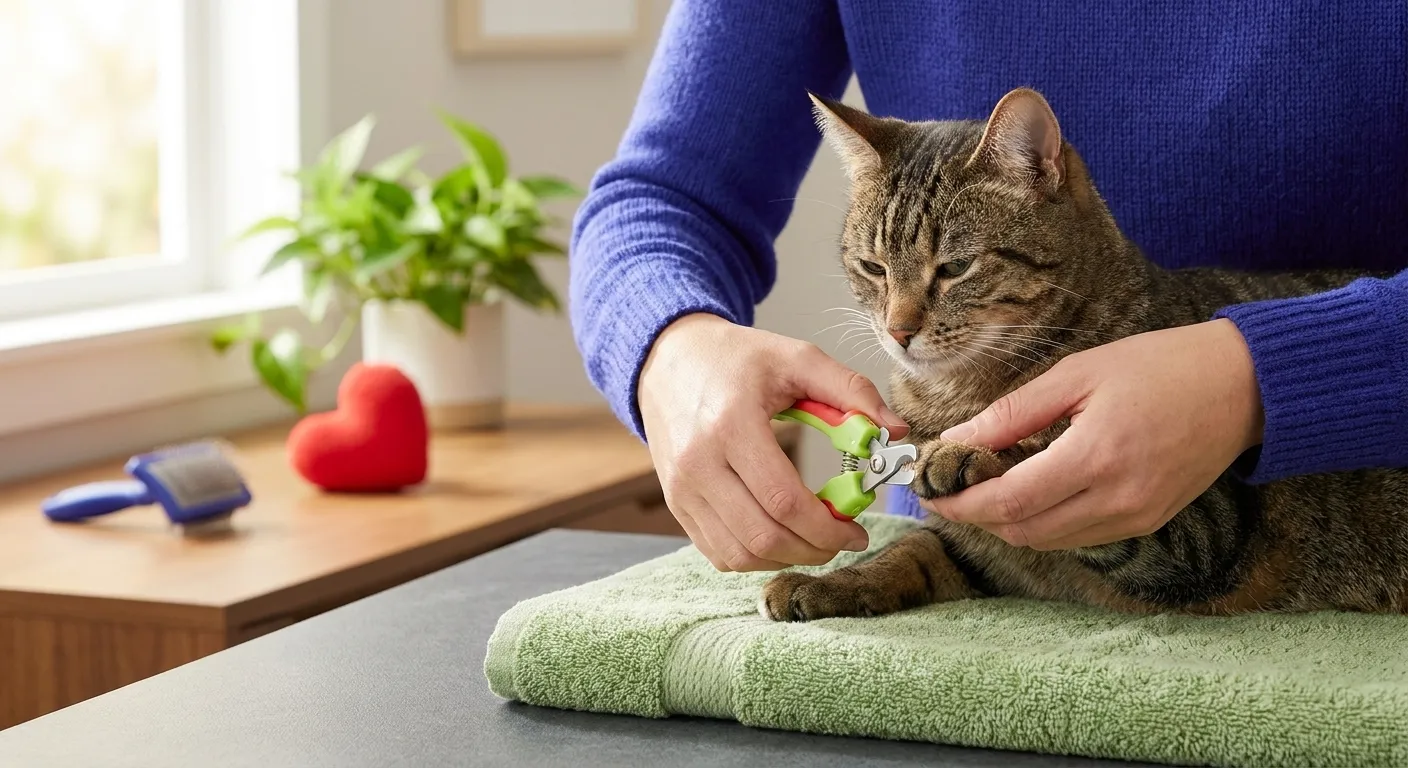
One of the most daunting aspects of at-home cat grooming for many owners is nail trimming. The fear of ‘quicking’ or simply the struggle of holding a squirming cat often leads to this essential task being avoided. However, mastering stress-free cat nail trimming is not only achievable but crucial for your cat’s health and your home’s furniture. With the ongoing trend of pet humanization, owners are increasingly seeking personalized wellness solutions, making gentle, effective nail care a priority that contributes significantly to a cat’s overall comfort and well-being.
The Importance of Regular Nail Care
Beyond protecting your sofa, regular nail trims prevent a host of health issues. Overgrown claws can get snagged on carpets or furniture, leading to painful injuries or even torn nails. They can also grow so long that they curl back into the paw pads, causing infection and severe discomfort. For senior cats, long nails can make walking difficult and painful, impacting their mobility. Integrating nail care into your cat’s routine is a proactive step towards their holistic wellness, ensuring they remain comfortable and active. Indeed, proper claw maintenance supports overall feline health.
Choosing the Right Tools for Gentle Nail Care
Forget human nail clippers; they can split your cat’s claws. The market now offers a fantastic array of cat-specific nail clippers designed for precision and ease of use. Consider scissor-style clippers for most cats, or guillotine-style for larger, thicker claws. Look for ergonomic handles for your comfort and sharp blades for a clean cut. The rise of ‘cats take center stage’ in pet product innovation means there are more thoughtful, feline-friendly tools than ever before. Always have styptic powder or cornstarch on hand, just in case of a minor quicking accident. Furthermore, selecting the right tools is fundamental for successful claw clipping.
Understanding Your Cat’s Paws and the ‘Quick’
Before you trim, take a moment to understand your cat’s paw anatomy. Gently press on your cat’s paw pad to extend a claw. You’ll notice the claw is typically white or clear at the tip, transitioning to a pinkish area closer to the paw. This pink area is the ‘quick,’ which contains blood vessels and nerves. Cutting into the quick is painful and will cause bleeding. The goal is to trim only the sharp, clear tip, avoiding the quick entirely. For cats with dark claws, it can be harder to see the quick, so trim very small amounts at a time, looking for a small, dark dot in the center of the cut surface – this indicates you’re close to the quick. Consequently, knowing this anatomy is vital for a safe experience.
Step-by-Step Guide to Stress-Free Cat Nail Trimming
Achieving a calm nail trimming experience requires preparation and patience. Follow these steps to make the process as smooth as possible for both you and your feline companion. Remember, consistency is key to helping your cat become accustomed to this routine.
1. Prepare the Environment
Choose a quiet, well-lit area where both you and your cat are comfortable. Have treats ready for positive reinforcement. A calm setting helps reduce anxiety for your cat. In addition, ensure all your tools are within reach before you begin.
2. Desensitization (if needed)
If your cat is new to nail trims, start by simply handling their paws gently for a few days, offering treats. Gradually introduce the clippers, letting them sniff them, before attempting any cuts. This gradual introduction builds trust. For more detailed guidance on handling anxious felines, consider reviewing our guide on Stress-Free Cat Nail Trimming: A Gentle Guide for Anxious Felines.
3. Positioning for Success
Hold your cat gently but firmly. You might try holding them in your lap, wrapping them in a towel (a
