
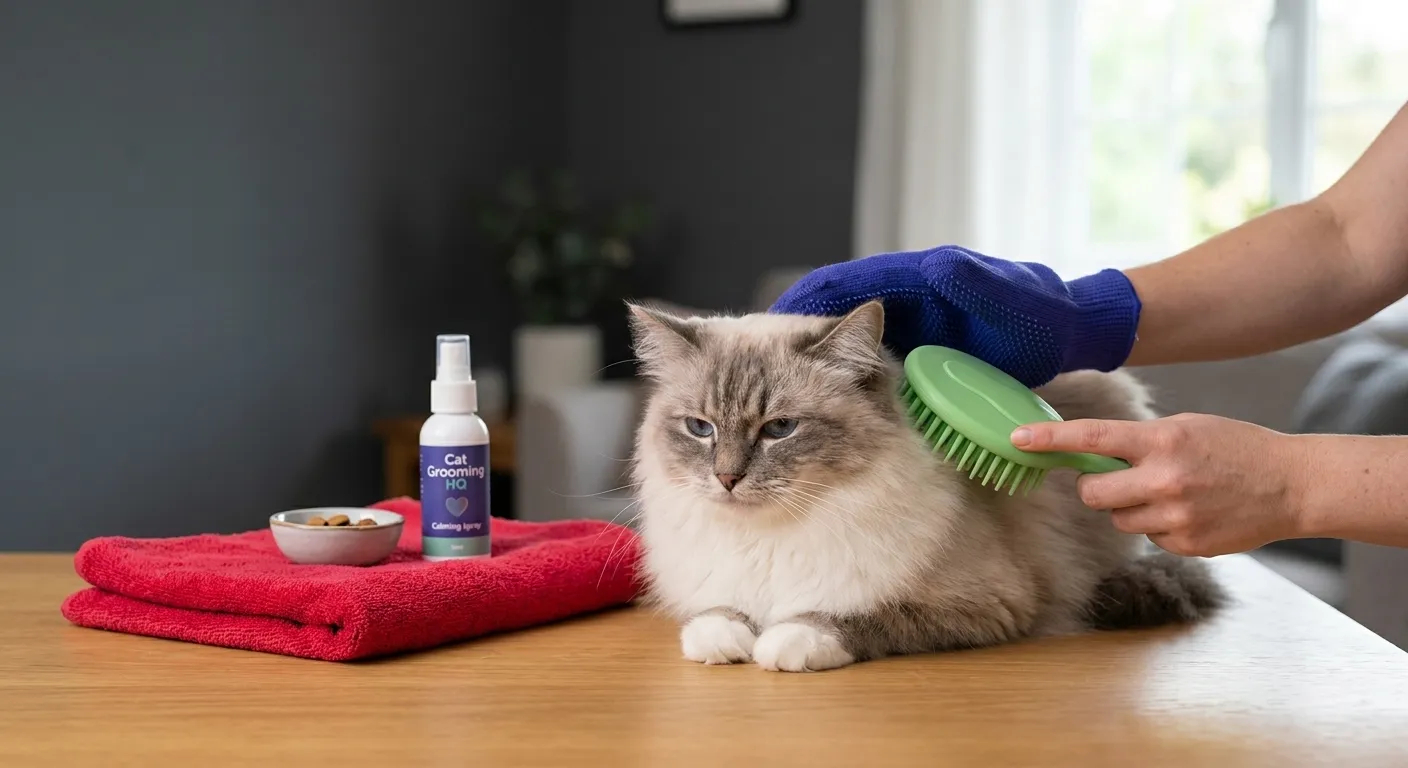
Grooming can be a source of significant stress for some cats, leading to resistance, fear, and even aggression. However, with the right approach and carefully selected Grooming Tools for Anxious Cats, you can transform a dreaded chore into a more manageable, even positive, experience. The key is to minimize discomfort and maximize a sense of security, making each interaction less intimidating for your sensitive feline friend. Furthermore, understanding their triggers is vital for a successful grooming routine.
Many cat owners struggle with their anxious pets during grooming. Consequently, finding suitable tools becomes a priority. This guide will explore specific tools and techniques to help make grooming less stressful for your feline companion. We will also discuss how to introduce these items effectively, building trust and cooperation over time.
Choosing Quiet and Gentle Brushes
One of the biggest triggers for anxious cats during grooming can be harsh sensations or loud noises from tools. Therefore, opting for brushes designed for sensitive skin and quiet operation is crucial. A soft rubber curry brush or a silicone grooming glove can provide a gentle, massage-like experience, which many anxious cats tolerate better than traditional wire slicker brushes. For example, the gentle bristles stimulate circulation without pulling on the fur.
When it comes to deshedding, a quiet, low-noise deshedding tool that mimics gentle stroking can be less startling. This type of tool helps remove loose fur effectively. The goal, ultimately, is to use tools that feel less like a ‘tool’ and more like a comforting touch. This approach slowly builds their tolerance for grooming. In addition, introduce each new tool gradually, allowing your cat to sniff and investigate it before use, always pairing it with treats and praise. This positive reinforcement creates a pleasant association.
Innovative Solutions for Nail Trimming and Bathing
Nail trimming is often a significant stressor for many felines. Beyond traditional clippers, consider a silent or low-vibration nail grinder, which can be less startling than the ‘snip’ sound. Practice simply touching the grinder to their paw (while off) and rewarding them. This method gradually builds up to brief, gentle trims. Moreover, some cats respond better to grinders than clippers, as it avoids the sudden pressure sensation.
For bathing, if absolutely necessary, consider a washcloth bath or waterless shampoo designed to be applied without the full submersion experience. These methods reduce the sensory overload often associated with traditional baths. Products like calming sprays or diffusers containing feline pheromones can also be used in the grooming area beforehand. This creates a more serene environment. The right Grooming Tools for Anxious Cats, combined with patience and positive reinforcement, can make a significant difference in their comfort and cooperation during essential care. You can find more detailed tips on Cat Bathing Basics: When and How to Bathe Your Feline Friend.
Understanding Your Cat’s Anxiety Triggers
Every anxious cat is unique, displaying different reactions to grooming. Identifying your cat’s specific anxiety triggers is the first step toward creating a calmer experience. For instance, some cats might be sensitive to sounds, while others react strongly to specific textures or handling. Pay close attention to their body language: flattened ears, dilated pupils, hissing, or swishing tails are all indicators of discomfort. Recognizing these signs early allows you to pause and adjust your approach. Furthermore, understanding these triggers helps in selecting the most appropriate Grooming Tools for Anxious Cats. A quiet environment, for example, can significantly reduce stress.
Consider the environment where grooming takes place. A noisy, high-traffic area might exacerbate anxiety. Conversely, a quiet, familiar room with soft lighting can be more calming. Ensure there are no sudden movements or loud noises during grooming sessions. Consequently, your cat will feel more secure and less threatened. A consistent routine also helps; cats thrive on predictability. Therefore, try to groom at the same time and in the same place each day, if possible. This routine signals to your cat what to expect.
Desensitization and Positive Reinforcement Techniques
Desensitization is a powerful technique for anxious cats. This involves gradually exposing your cat to grooming tools and the grooming process in small, manageable steps. Begin by simply placing the tool near your cat, allowing them to sniff it. Reward them with treats and praise for any calm interaction. Over time, you can progress to briefly touching the tool to their fur, then to very short grooming sessions. This slow introduction helps them associate the tools with positive experiences. Indeed, patience is key to this process.
Positive reinforcement is equally crucial. Always reward calm behavior with treats, gentle petting, and verbal praise. Never punish or scold your cat for showing anxiety; this will only worsen their fear. If your cat becomes stressed, stop the session and try again later. Short, frequent sessions are much more effective than long, infrequent ones. Remember, the goal is to build trust and make grooming a positive interaction. For more strategies, consider reading about Grooming Difficult Cats: Strategies for a Stress-Free Experience.
Specialized Brushes for Sensitive Skin and Fur
When selecting brushes for an anxious cat, texture and material are paramount. A soft-bristled brush made from natural fibers can be incredibly gentle, mimicking the feel of a mother cat’s tongue. Similarly, rubber brushes or grooming mitts with soft nubs provide a massage-like sensation that many cats find soothing. These options are less likely to pull on tangled fur, which can be a major source of discomfort. Consequently, your cat will be more receptive to the grooming session.
Avoid brushes with stiff wire bristles, which can scratch sensitive skin or cause static electricity, both of which can be unpleasant for an anxious feline. For cats with longer fur, a wide-toothed comb can gently work through tangles without tugging. Always start with the least intrusive tool and observe your cat’s reaction. Gradually introduce different brushes as your cat becomes more comfortable. Moreover, proper brushing helps Prevent Cat Matting: A Comprehensive Guide for Owners. The right selection of Grooming Tools for Anxious Cats makes a notable difference.
Quiet Clippers and Grinders for Nail Care
Nail care can be particularly challenging for anxious cats due to the sound and sensation. Traditional clippers often produce a sharp
