
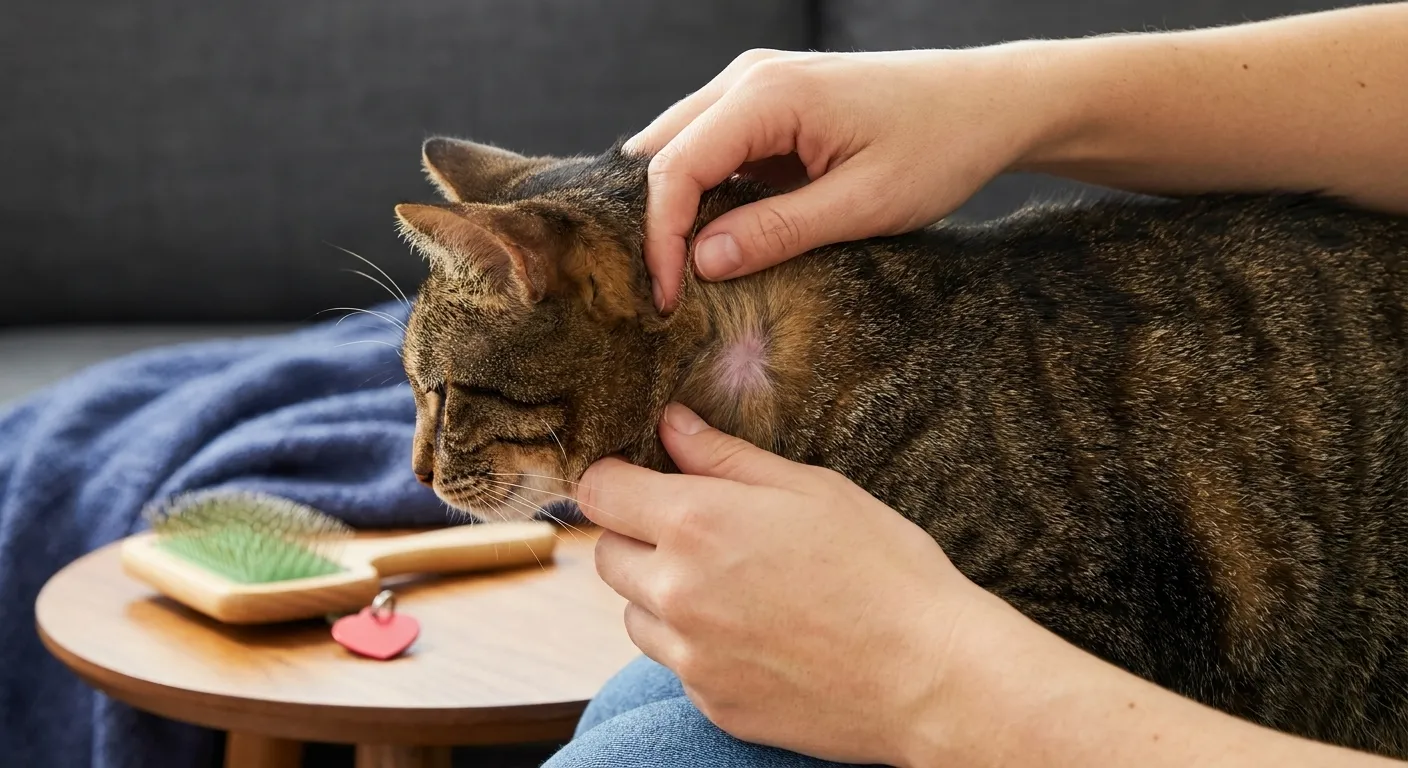
A cat’s skin and coat are often the first visible indicators of their overall health. Understanding what to look for when assessing Feline Skin Health can help you identify potential issues early and ensure your cat is comfortable. Beyond just looking shiny, a truly healthy coat and skin reveal much about their diet, hydration, and general well-being. Regular grooming sessions provide the perfect opportunity to perform these vital check-ups.
1. Smooth, Supple Skin Without Flakes or Redness
Healthy feline skin should feel smooth and elastic, not dry, flaky, or excessively oily. Gently part your cat’s fur in various places – along their back, belly, and behind their ears. You’re looking for an even, pale pink or pigmented tone without any signs of redness, bumps, scabs, or lesions. White flakes could indicate dryness or dandruff, while red patches might suggest irritation, allergies, or even parasites. Any persistent skin abnormalities warrant a vet visit. In fact, early detection of skin problems can prevent more serious complications down the line. Therefore, consistent checks are crucial for maintaining optimal skin condition for your cat.
2. A Lustrous, Shedding-Appropriate Coat
A healthy cat’s fur should appear soft, shiny, and lie smoothly. While shedding is a natural process, excessive or patchy hair loss, dullness, or a greasy feel can signal underlying problems. The coat should not be matted or tangled, which can pull at the skin and cause discomfort. The amount of shedding will vary by breed and season, but a sudden increase or decrease, or areas of thinning, are red flags. A vibrant, well-maintained coat is a strong sign of good internal Feline Skin Health and proper nutrition. Furthermore, proper brushing can significantly reduce shedding and prevent mats. For more insights on managing shedding, consider reading our guide on Understanding Cat Shedding: Why Cats Shed and How to Manage It.
3. Absence of Excessive Itching, Licking, or Chewing
While cats groom themselves frequently, persistent or obsessive scratching, licking, or chewing can indicate an issue. These behaviors might be a response to parasites (fleas, mites), allergies, skin infections, or even stress. Healthy cats groom themselves sufficiently without resorting to self-mutilation. If you notice your cat constantly attending to a particular spot or exhibiting intense itching, it’s a clear signal that something is amiss with their skin or overall comfort, and a professional check-up is recommended. Consequently, addressing these behaviors promptly can alleviate discomfort and prevent secondary infections. Moreover, understanding the causes of excessive grooming is vital for maintaining good cat skin condition.
4. Clean Ears and Paws
Beyond the general body, your cat’s ears and paws also offer clues about their skin condition. Healthy ears should be clean, free of excessive wax, odor, or discharge. Redness, swelling, or dark, waxy buildup can indicate ear mites or infections. Similarly, paw pads should be soft and supple, not cracked, dry, or inflamed. Check between their toes for any irritation, foreign objects, or matted fur. These areas are often overlooked but are integral to overall Feline Skin Health. For example, a cat constantly shaking its head might be experiencing an ear infection, which requires veterinary attention. Keeping these areas clean is a simple yet effective way to prevent issues.
5. No Unusual Lumps or Bumps
As you groom your cat, gently run your hands over their entire body, feeling for any unusual lumps, bumps, or swelling beneath the fur. While not all growths are malignant, any new or changing masses should be examined by a veterinarian. Early detection is key for many conditions, including certain types of skin cancer. Therefore, a thorough tactile examination during grooming is a crucial aspect of monitoring your cat’s overall well-being and maintaining excellent cat skin condition. Regular physical checks are a simple yet powerful tool for proactive pet care. In addition, knowing your cat’s normal body contours will help you notice any changes immediately.
Understanding the Role of Nutrition in Feline Skin Health
Diet plays a pivotal role in maintaining optimal Feline Skin Health and a luxurious coat. A cat’s skin and fur are largely composed of protein, so a high-quality diet rich in animal-based protein is essential. Essential fatty acids, particularly Omega-3 and Omega-6, are also critical. These nutrients help maintain the skin’s barrier function, reduce inflammation, and promote a shiny, healthy coat. Conversely, a diet lacking these vital components can lead to dry, flaky skin, a dull coat, and increased shedding. For instance, many commercial cat foods now include supplements specifically for skin and coat health. Consult your vet about the best dietary choices for your feline friend, especially if you notice persistent skin or coat issues. Furthermore, proper hydration is just as important as diet for good skin condition. Ensure your cat has access to fresh, clean water at all times.
Environmental Factors Affecting Cat Skin Condition
Your cat’s environment can significantly impact their skin. Allergens like pollen, dust mites, or certain cleaning products can trigger allergic reactions, leading to itchy, inflamed skin. Fleas and other external parasites are also common culprits for skin irritation and discomfort. Regular cleaning of your home, especially bedding and grooming tools, can help minimize exposure to allergens and parasites. Moreover, maintaining appropriate humidity levels indoors can prevent dry skin, particularly in arid climates. Consider using a humidifier if your home air is very dry. Addressing these environmental factors is crucial for supporting Feline Skin Health. Similarly, reducing stress in your cat’s environment can also improve their overall well-being, which often reflects in their skin and coat.
The Importance of Regular Grooming for Feline Skin Health
Regular grooming is not merely about aesthetics; it’s a fundamental aspect of maintaining excellent Feline Skin Health. Brushing helps distribute natural oils, removes loose fur, and prevents mats and tangles that can pull at the skin and create hot spots for infections. It also provides an excellent opportunity for you to inspect your cat’s skin closely for any of the indicators discussed above. Moreover, grooming strengthens the bond between you and your pet. For tips on effective brushing, explore our article on The Benefits of Brushing Your Cat: More Than Just a Pretty Coat. Consistent grooming routines are a proactive measure against many common skin problems. Additionally, gentle grooming can be a calming experience for your cat, promoting a positive association with handling.
When to Seek Veterinary Advice for Your Cat’s Skin
While this guide provides valuable information for assessing your cat’s skin and coat, it’s important to know when professional help is needed. If you observe any persistent redness, swelling, hair loss, excessive scratching, lumps, discharge, or changes in your cat’s behavior related to their skin, a vet visit is imperative. These symptoms could indicate underlying medical conditions that require diagnosis and treatment. Prompt veterinary attention can prevent minor issues from escalating into more serious health problems. For example, a skin infection left untreated can spread and cause significant discomfort. Trust your instincts; if something seems off, it probably is. Your veterinarian can provide accurate diagnosis and tailor a treatment plan specific to your cat’s needs, ensuring their best Feline Skin Health. Furthermore, they can offer advice on preventative care and specialized grooming techniques.
Beyond the Basics: Advanced Tips for Maintaining Healthy Cat Skin
To further enhance your cat’s skin condition, consider a few advanced practices. Firstly, ensuring your cat’s dental health can indirectly impact their overall well-being, including skin, as chronic pain or infection can lead to stress, which in turn affects immunity and skin. Our guide on Essential Cat Dental Care at Home: Keep Feline Teeth Healthy offers valuable insights. Secondly, for cats prone to mats, understanding how to prevent them is crucial for skin integrity. You can find comprehensive strategies in our article, Prevent Cat Matting: A Comprehensive Guide for Owners. Thirdly, while not all cats require bathing, using appropriate, gentle shampoos when necessary can support skin pH and cleanliness. Always choose products designed specifically for felines. Finally, remember that every cat is unique; therefore, observing your pet closely and understanding their individual needs is paramount. A holistic approach encompassing diet, environment, grooming, and regular veterinary check-ups is the best way to ensure long-term Feline Skin Health.
Conclusion
Monitoring your cat’s skin and coat is more than just a grooming task; it’s a vital part of their overall health assessment. By regularly checking for smooth, supple skin, a lustrous coat, absence of excessive itching, clean ears and paws, and no unusual lumps, you can proactively ensure your cat’s well-being. Remember that a healthy coat and skin are strong indicators of a happy and thriving feline. Prioritize nutrition, maintain a clean environment, and never hesitate to consult your veterinarian if you notice any concerning changes. Your diligence in observing these five indicators will contribute significantly to your cat’s enduring comfort and vitality. In conclusion, consistent attention to these details will foster optimal Feline Skin Health for your beloved companion. The ASPCA provides additional resources on cat grooming and care. The American Animal Hospital Association (AAHA) also offers a comprehensive pet health library.
FAQ
What does a healthy cat’s skin typically look like?
A healthy cat’s skin should be smooth, elastic, and free from flakes, redness, bumps, or scabs. It usually appears pale pink or pigmented, depending on the cat’s genetics, and should not be excessively dry or oily. Regular checks can help you identify any changes.
How can I tell if my cat’s coat is healthy?
A healthy cat’s coat is generally soft, shiny, and lies smoothly. It should be free of mats, excessive shedding (beyond normal seasonal changes), dullness, or a greasy feel. Furthermore, the fur should not be patchy or thinning in any areas.
What are common signs of skin problems in cats?
Common signs of skin issues include persistent scratching, licking, or chewing, redness, inflammation, scabs, hair loss, dandruff, greasy fur, foul odor, or the presence of lumps and bumps. Any of these warrant closer inspection and potentially a vet visit.
Does diet affect my cat’s skin and fur?
Absolutely. A high-quality diet rich in animal protein and essential fatty acids (like Omega-3 and Omega-6) is crucial for maintaining good cat skin and coat condition. Poor nutrition can lead to dry skin, a dull coat, and other dermatological issues.
When should I take my cat to the vet for a skin concern?
You should consult your veterinarian if you notice any persistent or worsening skin issues such as excessive itching, widespread redness, open sores, unusual lumps, significant hair loss, or if your cat seems uncomfortable or in pain due to a skin problem. Early intervention is always best for your cat’s skin condition.
