
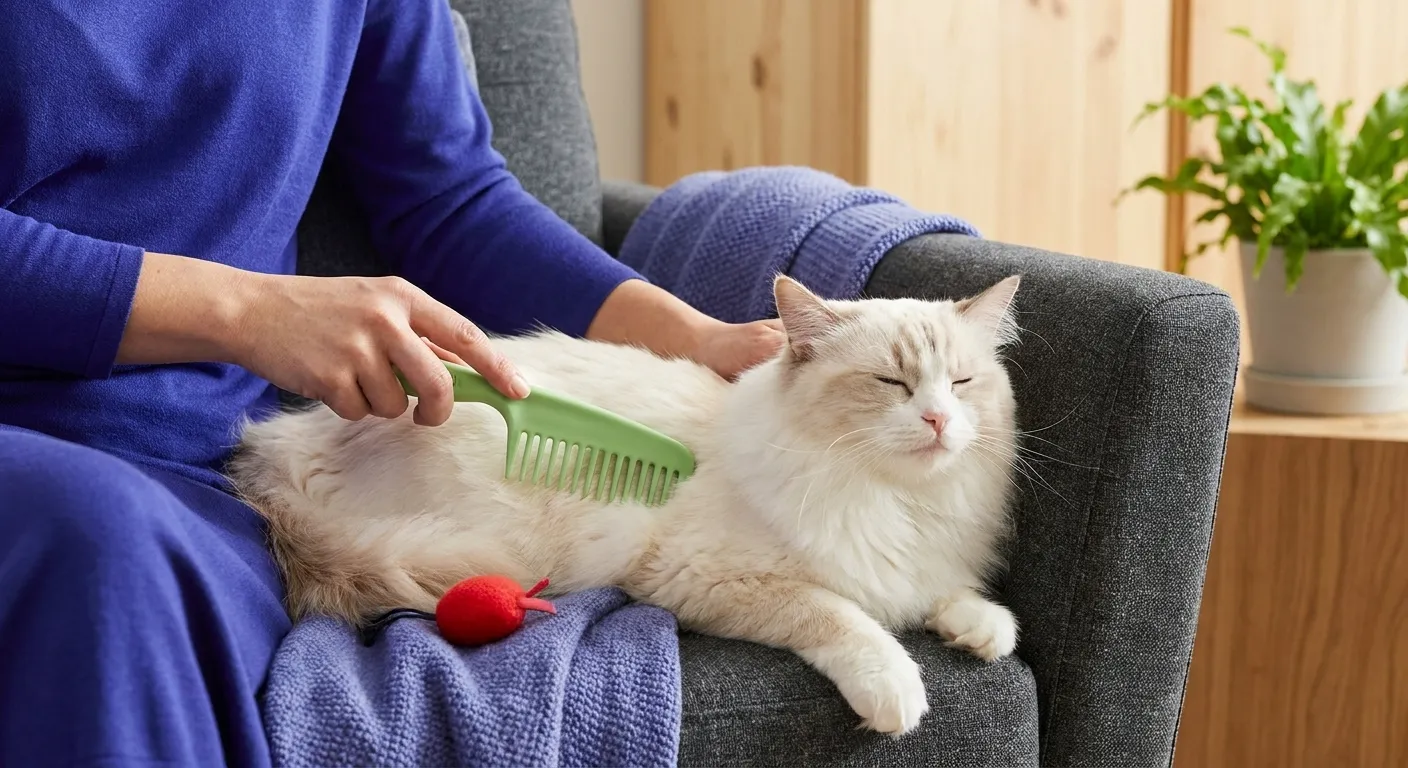
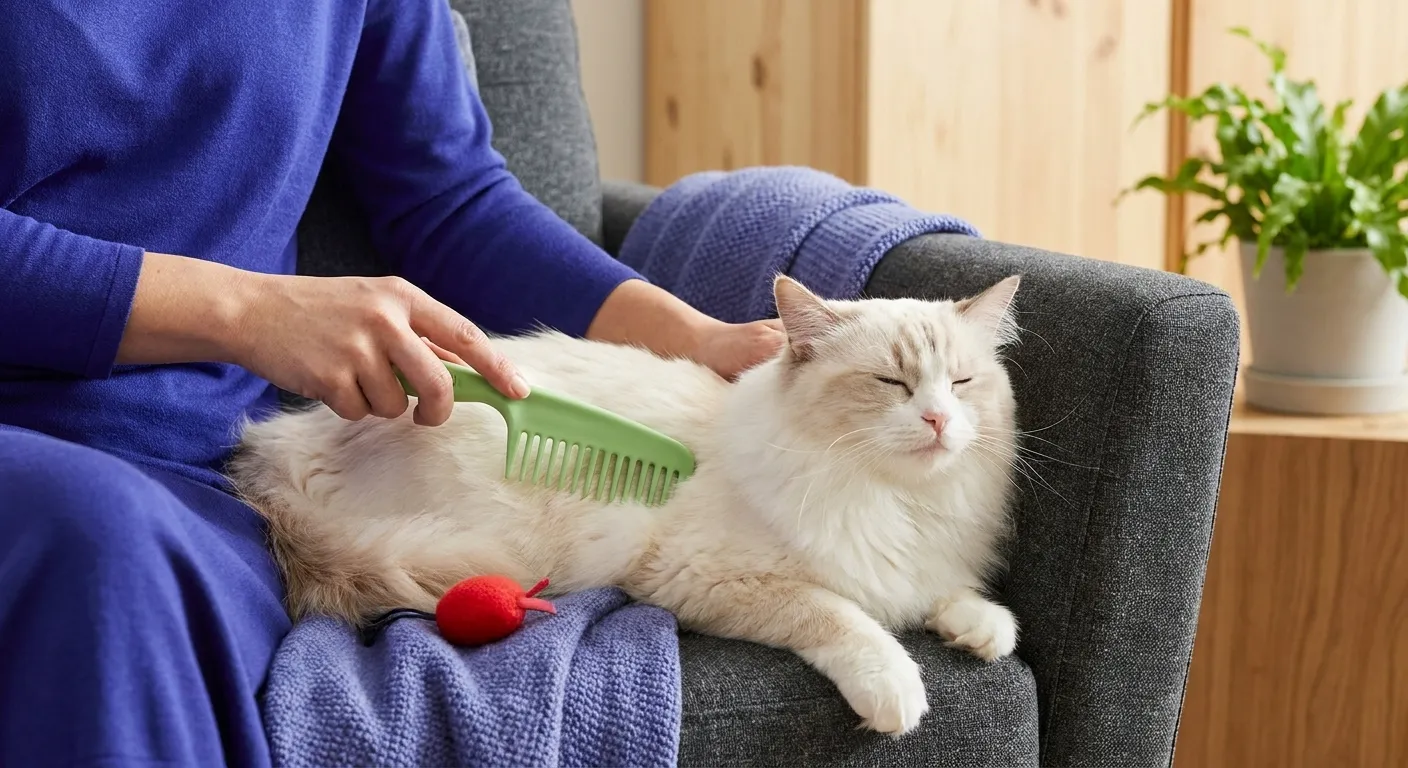
Matted fur isn’t just an aesthetic problem; it can be incredibly uncomfortable and even painful for your cat, leading to skin irritation, infections, and restricted movement. Learning how to effectively implement strategies for Preventing Cat Matting is a crucial aspect of responsible cat ownership, especially for long-haired breeds or senior cats. Proactive measures can save your feline friend from discomfort and you from stressful detangling sessions.
Understanding Why Mats Form and How to Prevent Them
Mats typically form when loose fur, dirt, and oils become tangled and compact. This often occurs in areas of friction, such as behind the ears, under the armpits, or around the hindquarters. Neglecting regular brushing is the primary culprit. To prevent matting, daily or every-other-day brushing with the right tools is essential. For long-haired cats, a metal comb followed by a slicker brush can help remove loose undercoat and smooth the topcoat. For short-haired cats, a rubber curry brush often suffices. Consistency is key; short, frequent sessions are more effective and less stressful than infrequent, long ones. Introducing brushing as a positive experience with treats and praise can significantly aid in Preventing Cat Matting from the outset.
Addressing Early Tangles Before They Become Mats
Catching tangles early is vital. During your regular grooming routine, pay close attention to any small knots or snags. If you find a small tangle, gently try to work it out with your fingers first. If that doesn’t work, use a wide-toothed comb, starting from the ends of the fur and slowly working your way towards the skin, holding the fur at the base to prevent pulling. Never try to cut out mats with scissors, as it’s incredibly easy to accidentally cut your cat’s skin. For persistent or larger tangles, consider a detangling spray or a visit to a professional groomer. Regular inspection and immediate, gentle action are your best defense against the formation of painful mats, keeping your cat’s coat healthy and comfortable.
The Importance of Regular Brushing for a Healthy Coat
Regular brushing does more than just prevent tangles; it distributes natural skin oils, removes dead skin cells, and stimulates circulation. Furthermore, it helps reduce shedding, which in turn minimizes hairballs. For many cats, brushing can also be a bonding experience. Establishing a routine helps your cat become accustomed to the process, making it less stressful for everyone involved. For more on this, explore the Benefits of Brushing Your Cat. The right brush makes a significant difference. Consider your cat’s coat type when selecting tools. A fine-toothed comb might be excellent for a short-haired cat, while a deshedding tool could be invaluable for a long-haired breed. Investing in quality grooming tools is a small step towards successful tangle prevention.
Diet and Hydration: Supporting Coat Health from Within
A healthy coat often reflects a healthy cat. Nutrition plays a crucial role in maintaining skin and fur integrity, thereby helping with preventing tangles. Ensure your cat receives a balanced diet rich in essential fatty acids, such as Omega-3 and Omega-6. These nutrients contribute to a shiny, healthy coat and can reduce excessive shedding. Quality cat food formulated with these ingredients can make a noticeable difference. Additionally, adequate hydration is paramount for overall health, including skin and coat condition. Encourage your cat to drink enough water by providing fresh water daily, using ceramic or stainless steel bowls, or even a pet water fountain. A well-hydrated cat is less likely to have dry skin and brittle fur, which can contribute to mat formation.
Dealing with Specific Challenges: Long-Haired and Senior Cats
Certain cats are more prone to matting. Long-haired breeds, for example, naturally have more fur that can tangle. Breeds like Persians, Maine Coons, and Ragdolls require extra diligence in their grooming routine. Daily brushing is often a necessity for these breeds. Senior cats also face unique challenges. As cats age, their skin can become thinner, and they might develop arthritis, making self-grooming difficult or painful. This reduced ability to groom themselves significantly increases the risk of matting. Therefore, extra gentle care and more frequent assistance with grooming are crucial for older felines. You can find more targeted advice on Gentle Grooming for Senior Cats. Being aware of these specific needs allows owners to tailor their approach and be more effective at preventing cat matting.
Professional Grooming: When to Seek Expert Help
While home grooming is highly effective, there are times when professional help is beneficial, especially for preventing severe mats. If your cat has developed extensive matting that you cannot safely remove yourself, a professional groomer or veterinarian is the best resource. They have specialized tools and techniques to remove mats safely without causing pain or injury to your cat. Furthermore, professional groomers can offer advice tailored to your cat’s specific coat type and temperament. Regular professional grooming appointments, perhaps every few months, can be a proactive step, particularly for cats with high-maintenance coats or those who resist home grooming. This can be a wise investment in your cat’s comfort and well-being, effectively contributing to preventing cat matting.
Bathing and Drying: A Gentle Approach
Bathing can be a double-edged sword when it comes to preventing tangles. While a clean coat is less likely to mat, improper bathing and drying can actually worsen tangles. If you decide to bathe your cat, always thoroughly comb out any existing tangles *before* the bath. Use a cat-specific shampoo that is gentle and moisturizing. During the bath, work the shampoo gently into the fur, avoiding vigorous scrubbing that can create more knots. Rinse thoroughly to ensure no residue is left, as this can attract dirt and lead to matting. After the bath, gently towel-dry your cat. If using a hairdryer, ensure it’s on a low, cool setting and keep it moving to prevent skin burns. For detailed guidance, refer to Cat Bathing Basics. Proper drying is crucial; a damp coat left to air dry can easily clump and form mats. Therefore, careful attention during and after bathing is another key strategy for preventing cat matting.
Environmental Factors and Lifestyle Adjustments
Beyond direct grooming, a cat’s environment and lifestyle can also impact coat health and the likelihood of matting. For instance, cats who spend a lot of time outdoors might pick up burrs, twigs, and dirt that can quickly lead to tangles. Regular checks after outdoor adventures are important. Similarly, certain types of bedding or blankets can create friction, contributing to mat formation. Opt for smooth, breathable fabrics for your cat’s sleeping areas. Consider a regular schedule for vacuuming and cleaning to reduce loose fur around the house, which can cling to your cat’s coat. A clean environment supports a clean coat, helping with preventing tangles. For more information on managing shedding, which contributes to loose fur, visit Understanding Cat Shedding. Simple adjustments to their living space can be surprisingly effective in your efforts to prevent matting.
The Role of Grooming Tools and Techniques
Selecting the correct grooming tools is paramount for effective coat care and preventing cat matting. For long-haired breeds, a wide-toothed comb is excellent for initial detangling, followed by a slicker brush to remove loose undercoat and smooth the top layer. A dematting comb, with its specially designed blades, can be useful for carefully working through small, surface-level mats, but caution is advised to avoid skin irritation. For short-haired cats, a rubber curry brush or a fine-toothed comb is usually sufficient. Always brush in the direction of hair growth. Start with short, gentle strokes, gradually increasing pressure as your cat becomes comfortable. Remember, patience and positive reinforcement, such as treats and praise, are essential during grooming sessions. This makes the experience more pleasant for your cat and more successful for you in preventing tangles. The ASPCA provides additional tips on cat grooming, reinforcing the importance of proper tools and techniques. Ensuring you have the right tools is a foundational step in preventing cat matting effectively.
Positive Reinforcement and Patience
Grooming should be a positive experience for your cat. This is especially true when you are actively engaged in preventing cat matting. Start grooming sessions when your cat is relaxed, perhaps after a meal or a play session. Keep sessions short, especially in the beginning, and gradually increase their duration as your cat becomes more accustomed. Use treats, gentle praise, and petting to reward cooperative behavior. If your cat shows signs of stress or discomfort, stop the session and try again later. Never force grooming, as this can create negative associations and make future sessions more difficult. Building trust and making grooming enjoyable will make your job much easier in the long run. Patience is indeed a virtue when it comes to feline grooming, and it’s a key component of preventing tangles effectively. The Humane Society also offers valuable advice on making grooming a positive experience for your feline friend, which is crucial for preventing cat matting.
Conclusion: A Proactive Approach to a Healthy, Tangle-Free Coat
Preventing Cat Matting is an ongoing commitment, but one that significantly contributes to your cat’s comfort, health, and overall well-being. By understanding why mats form, implementing a consistent brushing routine, providing proper nutrition, and addressing specific needs of long-haired or senior cats, you can keep your feline friend’s coat healthy and free from painful tangles. Remember, a proactive and gentle approach, coupled with the right tools and occasional professional assistance, ensures a positive grooming experience for both you and your beloved companion. Your efforts in preventing tangles will lead to a happier, healthier cat with a beautiful, comfortable coat.
FAQ: How often should I brush my cat to prevent mats?
For most cats, brushing a few times a week is sufficient. However, long-haired breeds or cats prone to tangles may benefit from daily brushing. Regular, short sessions are more effective than infrequent, long ones.
FAQ: Can diet really help prevent fur tangles?
Yes, absolutely! A diet rich in essential fatty acids, such as Omega-3 and Omega-6, can significantly improve coat health. A healthy coat is less prone to dryness and brittleness, which can contribute to knotting.
FAQ: What are the signs that my cat might have a hidden mat?
Look for changes in your cat’s fur texture, lumps or bumps under the coat, or areas where your cat is excessively licking or scratching. Mats are often found in high-friction areas like armpits, behind ears, or around the hindquarters.
FAQ: Is it ever safe to cut out a mat with scissors?
No, it is generally not safe to cut out mats with scissors at home. A cat’s skin is very thin and close to the fur, making it easy to accidentally cut them. If a mat is too severe for gentle combing, consult a professional groomer or veterinarian.
FAQ: How can I make grooming less stressful for my cat and help avoid tangles?
Start grooming early in your cat’s life, keep sessions short and positive with treats and praise, and choose a quiet time when your cat is relaxed. Consistency and patience will help build a positive association with grooming, aiding in the prevention of coat issues.
