
Cats are masters of subtle communication, and their behavior during grooming sessions is no exception. Understanding what your feline friend is trying to tell you is the cornerstone of creating a positive and effective grooming experience. In an age of heightened pet humanization, where personalized wellness is paramount, tuning into your cat’s cues during grooming is not just helpful—it’s essential. At Cat Grooming HQ, we empower owners to interpret cat grooming behavior to foster a bond built on trust and mutual respect, turning potential struggles into comfortable routines.
Why Understanding Feline Grooming Cues is Key to Successful Grooming
Generic grooming advice often falls short because every cat is an individual. A ‘one-size-fits-all’ approach ignores the unique personality, past experiences, and current mood of your feline. By understanding their grooming behavior, you can tailor your approach, making sessions less stressful and more productive. This aligns perfectly with the trend of personalized grooming plans based on a cat’s health and behavior, ensuring that grooming is a health service focused on their overall well-being, not just a cosmetic treatment. Furthermore, recognizing these cues helps prevent negative associations with grooming, which can be challenging to reverse.
Ultimately, a successful grooming session depends on collaboration between you and your cat. Your cat’s signals are their way of communicating their comfort levels and preferences. Ignoring these signals can lead to stress, fear, and even aggression, potentially harming your bond. Therefore, developing a keen eye for these subtle signs is a fundamental skill for any cat owner.
Common Cat Grooming Behavior and What They Mean
Cats use a range of signals to express their comfort, discomfort, or even enjoyment during grooming. Here’s a breakdown of common behaviors and their interpretations:
- Purring and Kneading: These are strong indicators of relaxation and contentment. If your cat is purring and gently kneading your lap or the grooming surface, you’re doing a great job! They feel safe and happy.
- Slow Blinks and Relaxed Posture: A slow blink is a sign of trust and affection. A relaxed body, with ears forward or slightly to the side, indicates they’re comfortable. Their muscles will appear loose, and their breathing will be even.
- Tail Swishing or Thumping: A rapidly swishing or thumping tail often signals irritation, annoyance, or a build-up of frustration. It’s a clear warning sign to ease up or pause. Consider what might be causing their discomfort.
- Flattened Ears or Ears Pinned Back: This is a classic sign of fear, anxiety, or aggression. Your cat feels threatened or highly uncomfortable. Their ears are trying to protect themselves from perceived danger.
- Dilated Pupils: Widened pupils can indicate fear or excitement, often preceding a defensive reaction. This is an involuntary response to a perceived threat or high arousal.
- Hissing, Growling, or Biting: These are definite ‘stop’ signals. Your cat feels overwhelmed, threatened, or is in pain. Immediately stop the session and reassess. Never punish these warnings; they are your cat’s way of communicating distress.
- Trying to Escape or Hiding: If your cat is actively trying to get away or attempting to hide, they are very uncomfortable and want the session to end. Respect their need for space.
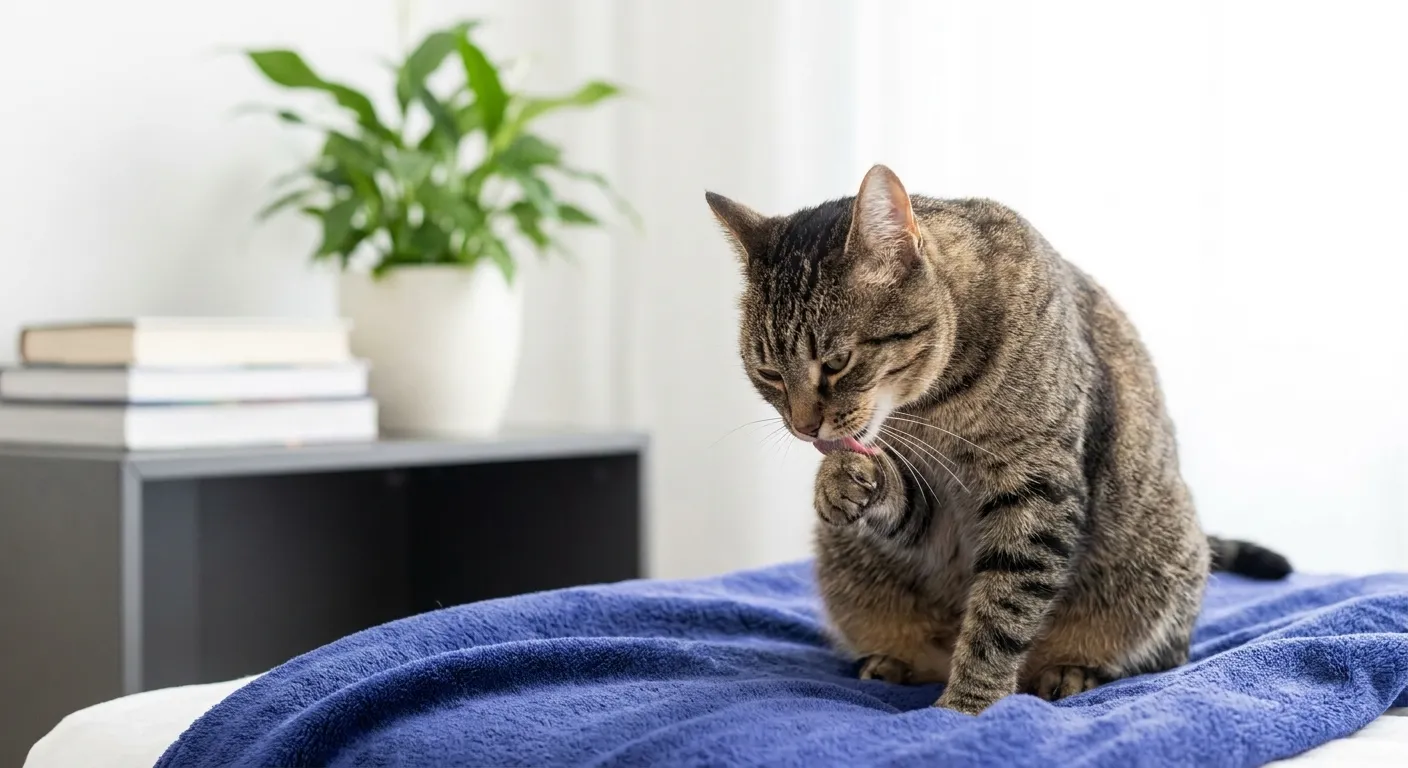
- Excessive Licking or Self-Grooming: While sometimes a sign of anxiety, a cat might also groom itself during a session as a way to self-soothe or to clean off perceived irritants. Observe the context for accurate interpretation.
Understanding these specific behaviors is the first step in mastering positive grooming. Each signal offers a window into your cat’s emotional state, allowing you to respond appropriately. This proactive approach minimizes stress for both you and your pet.
Strategies for Addressing Challenging Cat Grooming Behavior
When you understand the signals, you can implement targeted strategies. For instance, if your cat exhibits signs of stress, such as a swishing tail or flattened ears, it’s time to adjust your technique. Consider using a softer brush or shortening the session. Conversely, if they are purring and relaxed, you know you can continue with confidence. Here are some common challenges and how to approach them:
For the ‘Runner’: Creating a Secure Space
If your cat consistently tries to escape, they likely feel insecure or trapped. First, ensure the grooming area is calm and free of distractions. Use a non-slip surface to give them better footing. Furthermore, try grooming in short bursts, followed by rewards. A small, enclosed space, like a carrier with the top removed, can sometimes make them feel more secure than a wide-open table. Consistency and patience are vital here. For more insights on managing challenging felines, refer to our guide on Grooming Difficult Cats: Strategies for a Stress-Free Experience.
For the ‘Aggressor’: Building Trust and Positive Reinforcement
Hissing, biting, or growling are strong indicators of fear or pain. Stop immediately. Never force grooming. Instead, focus on building positive associations. Start with brief, gentle touches in non-sensitive areas, always pairing them with treats and praise. Gradually increase the duration and intensity of grooming as your cat becomes more comfortable. If pain is suspected, consult a veterinarian. Sometimes, underlying health issues can manifest as aggressive cat grooming behavior, so checking their coat for health issues is important.
For the ‘Freezer’: Gentle Handling and Gradual Exposure
Some cats freeze, becoming rigid and unresponsive. This is a fear response. Speak in a soft, reassuring voice. Use slow, deliberate movements. Avoid sudden actions. Gradually introduce grooming tools, letting your cat sniff and investigate them before use. The goal is to desensitize them to the process. For cats who are particularly sensitive, incorporating play before grooming can help them relax.
For the ‘Excessive Licker’: Identifying Underlying Causes
If your cat starts excessively licking themselves during grooming, it could be a sign of anxiety or discomfort, or they might be trying to self-soothe. Observe if the licking is focused on a specific area, which could indicate irritation or pain. Try to redirect their attention with a gentle stroke or a treat. If the behavior persists and seems stress-related, consider the environment or your technique. Sometimes, this can also be a way they cope with the sensation of brushing, so ensure your tools are appropriate. For example, understanding Understanding Cat Shedding can help you choose the right brush.
Understanding Your Cat’s Unique Personality and Past Experiences
Every cat has a unique personality, and their past experiences heavily influence their grooming behavior. A rescue cat, for example, might have had traumatic grooming experiences, leading to fear or aggression. Similarly, a cat that was never introduced to grooming as a kitten might find it overwhelming. Recognizing these individual differences allows for a more empathetic and effective approach. Take the time to learn your cat’s quirks, their comfort zones, and their triggers. This individualized approach is crucial for long-term success. For instance, Gentle Grooming for Senior Cats requires an even more tailored approach due to age-related sensitivities.
Furthermore, consider the environment. A noisy household with children and other pets might not be ideal for a timid cat’s grooming session. A quiet room, perhaps with soft music, can make a significant difference. The tools you use also play a role; some cats prefer certain brushes or combs over others. Experiment and observe their reactions to find what works best for your feline friend. The American Society for the Prevention of Cruelty to Animals (ASPCA) offers valuable insights into understanding cat body language, which can further aid in interpreting their grooming cues. This resource can be found at ASPCA: Common Cat Behavior.
The Role of Positive Reinforcement in Shaping Grooming Behavior
Positive reinforcement is incredibly powerful in shaping desirable cat grooming behavior. Always reward calm and cooperative behavior, even if it’s just for a few seconds of tolerance. Use high-value treats, verbal praise, and gentle petting. The goal is to create a positive association with grooming, making your cat look forward to these sessions. Never punish your cat for showing discomfort; this will only intensify their negative feelings.
Start small. If your cat tolerates just one brush stroke, reward them for that. Gradually increase the duration and intensity as they become more comfortable. Consistency is key. Daily short sessions are often more effective than infrequent, long ones. This incremental approach helps build trust and confidence over time. Moreover, remember that positive interactions extend beyond the grooming session itself. Regular playful interactions and affection also strengthen your bond, making grooming easier. Consider the long-term benefits of The Lasting Impact of Positive Post-Grooming Care.
Preventing Negative Grooming Experiences
Prevention is always better than cure when it comes to grooming. Early socialization and exposure to gentle handling from a young age can significantly reduce the likelihood of developing problematic cat grooming behavior. Introduce grooming tools slowly, letting your kitten explore them. Make grooming a positive experience from the very beginning. This includes making sure you’re properly addressing issues like Prevent Cat Matting, as painful mats can quickly lead to negative associations.
Even with adult cats, it’s never too late to start. Begin with very short sessions, focusing on areas your cat tolerates. Gradually expand the grooming area and duration. If you encounter resistance, pause and try again later. Identifying potential triggers for negative reactions, such as specific tools or handling techniques, allows you to modify your approach. For example, if your cat hates nail trims, try doing just one nail at a time, rewarding heavily, and spreading it out over a few days. The Cornell Feline Health Center provides excellent resources on cat behavior and welfare, which can further assist in preventing negative experiences. You can find more information at Cornell Feline Health Center.
When to Seek Professional Help for Difficult Cat Grooming Behavior
Sometimes, despite your best efforts, managing difficult cat grooming behavior at home can be overwhelming. If your cat exhibits extreme aggression, fear, or anxiety during grooming, or if you suspect pain, it’s time to seek professional help. A veterinarian can rule out any underlying medical conditions that might be contributing to the behavior. Pain often makes cats resistant to handling, so a health check is a crucial first step. Addressing issues like dental pain, for example, can make a huge difference in their overall comfort and willingness to be groomed. This is why Essential Cat Dental Care at Home is so important.
Additionally, a professional cat groomer or a veterinary behaviorist can offer tailored advice and techniques. They have experience with a wide range of feline temperaments and can provide specialized training or desensitization programs. They can also demonstrate proper handling techniques and help you choose the right tools. Remember, seeking help is a sign of responsible pet ownership, ensuring your cat receives the best possible care and that their stress-free cat nail trimming is a priority. Never hesitate to reach out if you’re struggling; your cat’s well-being is paramount.
The Long-Term Benefits of Understanding Your Cat’s Grooming Language
Mastering the art of interpreting your cat’s grooming behavior extends far beyond just easier brushing sessions. It deepens your bond, fostering a relationship built on mutual understanding and trust. When your cat feels heard and respected, they are more likely to cooperate, not just during grooming but in other aspects of care as well. This understanding reduces stress for both of you, making cat ownership a more joyful and rewarding experience.
Moreover, regular, stress-free grooming contributes significantly to your cat’s overall health and well-being. It helps prevent mats, reduces shedding, and allows you to regularly check for any skin issues or abnormalities. A cat that enjoys grooming is a healthier, happier cat. By taking the time to learn their signals, you are investing in their physical and emotional health, ensuring a long and comfortable life together. Understanding their unique cat grooming behavior truly pays dividends.
Conclusion
Understanding your cat’s grooming behavior is a fundamental skill for any cat owner. By recognizing their subtle cues, from purrs of contentment to flattened ears of fear, you can tailor your grooming approach to create a positive and stress-free experience. This not only makes grooming sessions more effective but also strengthens the bond you share with your feline companion. At Cat Grooming HQ, we believe that informed owners are empowered owners. Pay attention to their signals, practice positive reinforcement, and don’t hesitate to seek professional help when needed. Your cat will thank you for it, and your shared journey will be much more harmonious.
FAQ
What does it mean when a cat grooms itself excessively during a grooming session?
Excessive self-grooming during a session can indicate anxiety or a desire to self-soothe. It might also be your cat’s way of trying to clean off perceived irritants. Observe the context and other body language; if it’s accompanied by other stress signals, it’s best to pause or adjust your approach.
How can I tell if my cat is enjoying the grooming process?
Signs of enjoyment include purring, kneading, slow blinks, a relaxed body posture with ears forward, and a softly swishing tail. They might also lean into your touch or present different areas for you to groom.
My cat suddenly became aggressive during grooming. What should I do?
Immediately stop the session. Aggression often stems from fear, pain, or being overwhelmed. Check for any mats or tender spots that might be causing pain. Reassess your approach, shorten future sessions, and use more positive reinforcement. If aggression persists, consult a vet or professional groomer.
Are there certain areas cats dislike being groomed?
Many cats are sensitive around their belly, tail, paws, and hindquarters. Some also dislike their face being touched. Pay close attention to their reactions when grooming different body parts and respect their boundaries. Gradually desensitize them to these areas if grooming is necessary.
How important is consistency in addressing feline grooming behavior?
Consistency is crucial. Regular, short, positive grooming sessions are far more effective than infrequent, long, and stressful ones. Consistent positive reinforcement helps your cat learn that grooming is a safe and even enjoyable experience, reducing problematic behaviors over time.
