
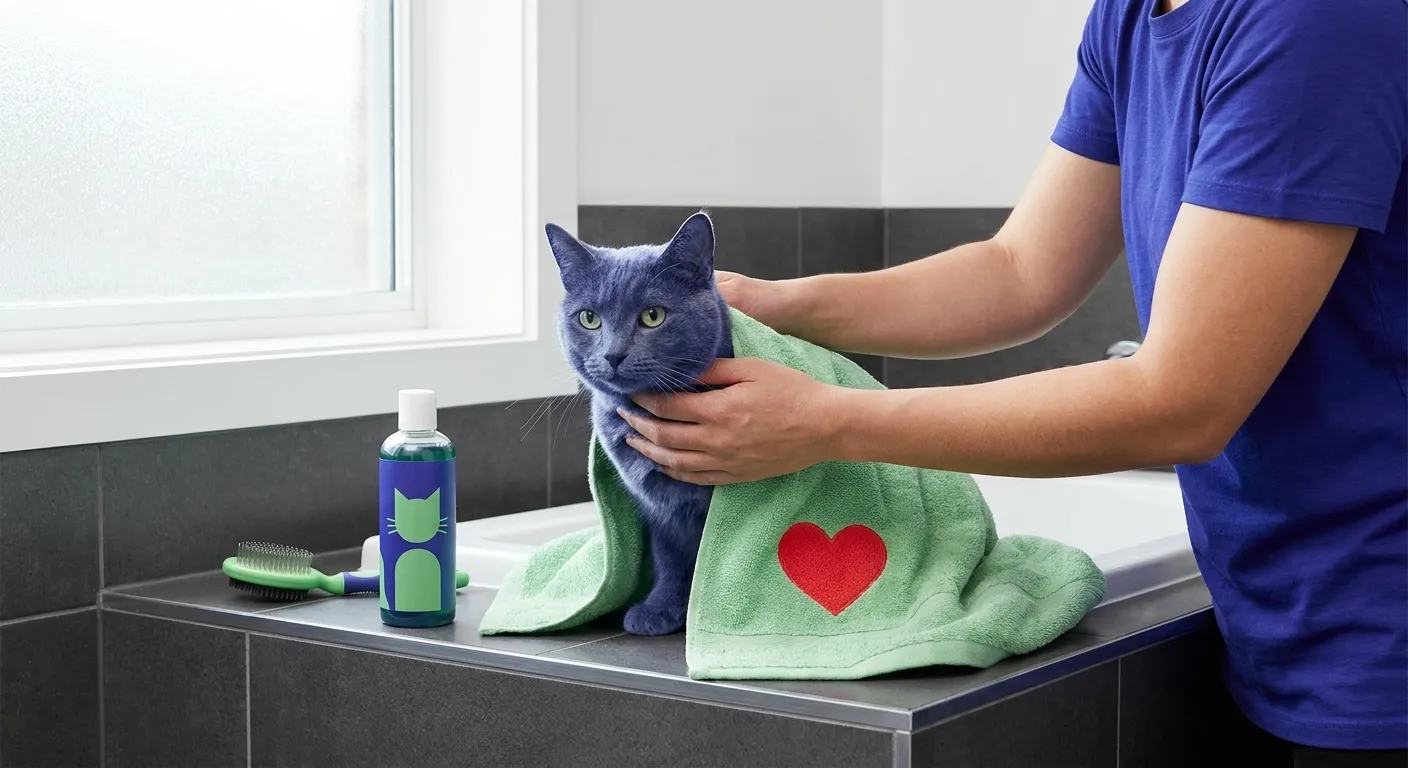
For many cat owners, the thought of bathing their feline friend conjures images of scratched arms and a soaked bathroom. However, learning how to approach bathing reluctant cats can transform a dreaded chore into a manageable part of their wellness routine. In an era where pet humanization means we increasingly view our cats as full-fledged family members, their comfort and well-being during grooming are paramount. This isn’t just about cleanliness; it’s about holistic health, ensuring their skin and coat remain in top condition.
Indeed, understanding effective strategies for washing a challenging feline companion can significantly reduce stress for both pet and owner. Prioritizing gentle methods ensures a more positive experience. Furthermore, proper bathing contributes to overall feline health, preventing various skin and coat issues. Therefore, mastering these techniques is a valuable skill for any devoted cat parent.
Why Bathing Can Be Essential for Your Cat’s Health
While cats are renowned self-groomers, there are several reasons why a bath might be necessary. For instance, older cats, those with mobility issues, or certain long-haired breeds might struggle to keep themselves pristine. Baths can help remove allergens, loose fur, dirt, and even treat specific skin conditions prescribed by a vet. With the pet industry projected to reach $165 billion by 2026, and a strong demand for wellness-integrated services, understanding safe and effective bathing practices for your cat aligns perfectly with the trend of prioritizing preventative care and overall well-being. It’s a health service, not just a beauty treatment.
Specifically, regular bathing can prevent uncomfortable matting, especially in long-haired breeds. You can find more detailed information on preventing cat matting on our site. Moreover, for cats with allergies, a bath can significantly reduce environmental allergens on their coat. Additionally, if your veterinarian recommends a medicated bath for a skin condition, following their instructions carefully is crucial. Consequently, incorporating occasional baths into your cat’s routine supports their long-term health and comfort.
Preparation is Key: Setting the Stage for Success
The most significant factor in a stress-free bath is preparation. Rushing into it will only heighten your cat’s anxiety. Here’s how to prepare:
- Gather Your Supplies: Have everything within arm’s reach before you start. This includes cat-specific shampoo (avoid human shampoo, which can dry out their skin), several soft towels, a non-slip mat for the tub or sink, a small cup or sprayer, and cotton balls for ears.
- Trim Claws: A day or two before the bath, gently trim your cat’s claws. This protects both of you. For more guidance, see our article on stress-free cat nail trimming.
- Brush Thoroughly: A good brush beforehand removes loose fur and tangles, preventing matting when wet. This is especially important for long-haired breeds. The benefits of brushing your cat extend beyond just preparing for a bath.
- Choose the Right Environment: A small, warm bathroom is ideal. Close the door to prevent escape. Fill the tub or sink with a few inches of lukewarm water before bringing your cat in to avoid startling them with running water.
- Stay Calm: Your cat can sense your stress. Maintain a calm, reassuring demeanor throughout the process. Your calm energy can significantly impact their cooperation.
By taking these preparatory steps, you establish a controlled and predictable environment. This reduces the element of surprise for your feline, which is often a major source of anxiety. Remember, a well-prepared owner often leads to a more cooperative cat. Therefore, invest adequate time in these initial stages.
Gentle Techniques for Bathing Reluctant Cats
Once prepared, approach the actual bath with patience and gentleness. Remember, the goal is to make it as positive an experience as possible. These techniques are specifically designed for bathing reluctant cats, minimizing their distress.
- Introduce Water Slowly: Gently place your cat into the lukewarm water, ensuring they have a non-slip surface to stand on. Talk to them in a soft, soothing voice. Never submerge their head.
- Wet the Coat: Using a cup or a gentle stream from a sprayer, slowly wet your cat’s body, avoiding their face and ears. Start from the neck down to the tail. Many owners find a wet washcloth useful for cleaning the face.
- Apply Shampoo: Dilute the cat shampoo slightly with water in a separate cup. Gently massage a small amount into their coat, working from neck to tail. Be quick but thorough. Avoid getting shampoo in their eyes or ears.
- Rinse Thoroughly: This is crucial. Residue can irritate the skin. Use the cup or sprayer to rinse all shampoo from their coat until the water runs clear. Take extra time here.
- Towel Dry: Immediately wrap your cat in a warm, soft towel. Gently pat and rub to absorb as much water as possible. Have several towels ready.
- Warm and Comfort: After towel drying, keep your cat in a warm room until they are completely dry. You can use a pet-specific dryer on a low, cool setting if your cat tolerates it. Offer a favorite treat or playtime. This positive reinforcement is vital for future baths.
These steps provide a structured approach to washing a hesitant feline. Consistency in your method will help your cat become more accustomed to the process over time. Consequently, each bath may become slightly easier. Always prioritize your cat’s safety and comfort above all else.
Addressing Common Challenges When Washing a Feline
Even with the best preparation and gentle techniques, some challenges might arise when washing a feline. Understanding these and having strategies in place can make a significant difference. For example, some cats may vocalize loudly or try to escape. In such cases, a second person to assist can be invaluable. One person can gently hold the cat while the other performs the bathing tasks.
Furthermore, if your cat becomes overly stressed, it’s sometimes better to pause and try again another day. Pushing a highly anxious cat can create a negative association with bathing. Another common issue is getting the face clean without causing distress. A damp washcloth is often the safest and most effective tool for this delicate area, avoiding direct water streams or shampoo near their eyes and nose.
Making Bathing a Positive Experience for Your Cat
The key to success with bathing reluctant cats lies in positive reinforcement and gradual desensitization. Start with short, positive interactions around the bathing area, even without water. Reward your cat with treats and praise for simply being calm near the tub. Gradually introduce water, perhaps just a paw dip, followed by rewards. This slow introduction helps build trust.
Consider also using calming pheromone sprays in the bathing area a little while before you begin. These can help reduce anxiety. During the bath, speak in a soothing voice and offer praise. Immediately after the bath, engage in a highly positive activity, such as their favorite treat, a special toy, or a cuddle session. This creates a link between the bath and pleasant outcomes. You can learn more about the lasting impact of positive post-grooming care on our blog.
When Professional Help is Needed
While these techniques are effective for many, some cats are simply too anxious or aggressive to be safely bathed at home. In these situations, seeking help from a professional groomer or your veterinarian is the best course of action. Professional groomers have specialized equipment and experience with difficult cats. Veterinarians can also provide advice, and in extreme cases, may prescribe mild sedatives for bathing. Your cat’s safety and well-being should always be the priority.
Moreover, if your cat has a serious skin condition or an open wound, consult your vet before attempting any bath. They can advise on appropriate products and techniques, or even perform the bath themselves in a clinical setting. Remember, proper care is essential. The ASPCA offers additional cat grooming tips that can be helpful for owners.
Understanding Your Cat’s Signals During Bathing
Paying close attention to your cat’s body language is crucial when bathing reluctant cats. Signs of stress include flattened ears, dilated pupils, a twitching tail, hissing, growling, or attempts to escape. If you observe these strong signals, it’s important to either pause, adjust your technique, or consider stopping the bath. Pushing a cat past their stress threshold can lead to fear and aggression, making future bathing attempts even harder.
Conversely, signs of tolerance or even relaxation might include a neutral ear position, slow blinking, or a relaxed body posture. Reinforce these positive behaviors with praise. Understanding these subtle cues helps you tailor the experience to your individual cat’s needs and limits. This empathetic approach strengthens your bond and improves the chances of a successful bath. The Humane Society offers general cat care tips that emphasize understanding feline behavior.
Long-Term Benefits of Regular Gentle Bathing
For cats that genuinely need them, regular gentle baths offer numerous long-term benefits. Beyond immediate cleanliness, baths can significantly improve coat health by removing dead hair and dander, reducing shedding, and stimulating skin circulation. This can contribute to preventing future matting and hairballs, which are common concerns for many cat owners. You can read more about preventing cat hairballs and mats on our site.
Furthermore, regular bathing can help manage allergies for both the cat and human family members. For senior cats or those with certain medical conditions, consistent gentle bathing can be a vital part of their comfort and hygiene routine. Our guide on gentle grooming for senior cats provides more specific advice. Over time, a positive bathing routine can even strengthen the bond between you and your feline, as they learn to trust your gentle care.
Conclusion
Bathing reluctant cats doesn’t have to be a battle. By understanding why baths are sometimes necessary, preparing thoroughly, and employing gentle, patient techniques, you can transform this challenging task into a manageable and even positive experience for your feline friend. Remember to prioritize your cat’s comfort and safety, using positive reinforcement and knowing when to seek professional help. With practice and patience, you’ll ensure your cat remains clean, healthy, and happy, reinforcing your role as a responsible and caring pet parent.
FAQ: Common Questions About Bathing Your Cat
How often should I bathe my cat?
The frequency depends on your cat’s breed, lifestyle, and health needs. Most cats rarely need baths, while long-haired breeds or those with skin conditions might need them more often. Consult your vet or a professional groomer for personalized advice.
What kind of shampoo should I use for washing a difficult feline?
Always use a shampoo specifically formulated for cats. Human shampoos can be too harsh and disrupt your cat’s skin pH, leading to dryness or irritation. Look for tear-free and natural ingredient options.
Can I use a hairdryer on my cat after bathing?
You can use a pet-specific hairdryer on the lowest, coolest setting, keeping it at a safe distance. However, many cats are scared of the noise. Towel drying thoroughly and letting them air dry in a warm room is often preferable.
What if my cat bites or scratches during the bathing process?
If your cat becomes aggressive, stop immediately. Your safety is paramount. Consider wrapping your cat in a towel or using protective gloves if attempting again. If aggression persists, consult a professional groomer or veterinarian for assistance and advice on handling an uncooperative cat.
Are there alternatives to full baths for cleaning my cat?
Yes, for light cleaning, you can use cat-specific grooming wipes or a damp washcloth to spot clean. Regular brushing also helps keep their coat clean and reduces the need for frequent full baths. Dry shampoos specifically for cats are also an option for quick refreshes.
