
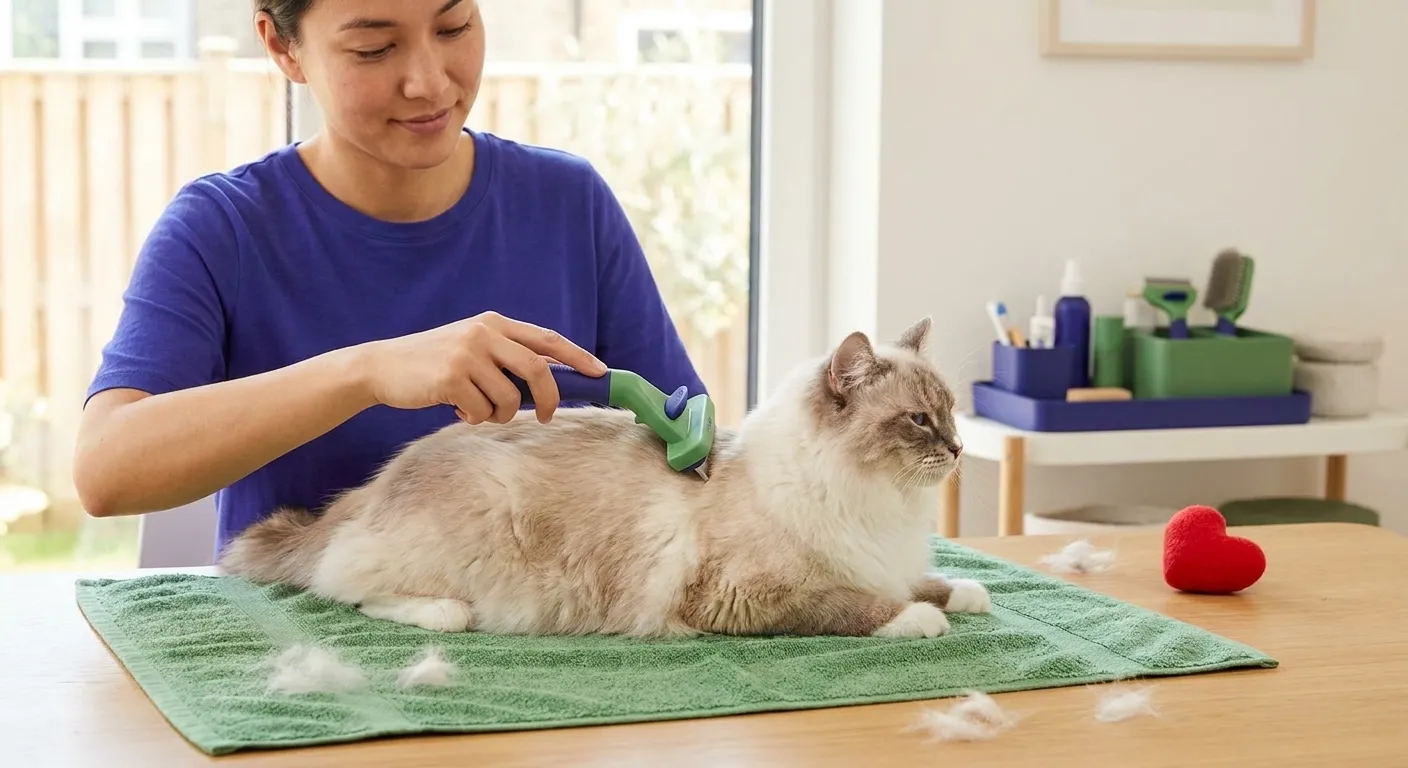
Dealing with cat fur around the house is a common part of being a cat owner. However, what if you could significantly reduce cat shedding? Understanding why cats shed and implementing effective strategies can make a big difference. This approach leads to a cleaner home and a healthier cat. Shedding is a natural process where cats lose old or damaged hair. This makes way for new growth. While you can’t stop it entirely, you can manage it with a consistent routine.
Why Cats Shed and When It’s a Concern
Cats shed year-round, but often more heavily during seasonal changes. Specifically, spring sees them lose their thicker winter coat. Factors like diet, overall health, stress levels, and even indoor climate can influence the amount of shedding. Normal shedding is a healthy part of a cat’s life cycle. However, excessive or patchy hair loss, especially when accompanied by skin irritation, can indicate an underlying health issue. For this reason, always consult your veterinarian if you notice unusual changes in your cat’s coat or skin. Early detection is often key to effective treatment.
Understanding the Cat Shedding Cycle
To truly manage cat shedding, it’s helpful to understand the science behind it. A cat’s hair grows in cycles. These include the anagen (growth), catagen (transition), and telogen (resting) phases. Eventually, the hair enters the exogen phase, where it sheds. The length of these phases varies by breed, age, and environmental factors. For example, indoor cats, exposed to artificial light year-round, might shed more consistently than outdoor cats whose cycles are more dictated by natural light. Furthermore, older cats or those with certain health conditions may experience changes in their shedding patterns. Recognizing these natural rhythms helps set realistic expectations for managing fur.
Seasonal Shedding and Its Triggers
As previously mentioned, seasonal changes are major triggers for increased shedding. In spring, cats shed their dense winter undercoat to prepare for warmer weather. Conversely, in autumn, they may shed lighter hairs to make way for a thicker winter coat. This natural adaptation helps regulate their body temperature. However, indoor cats, living in climate-controlled environments, might have less distinct seasonal shedding patterns. Consequently, they often shed moderately throughout the year. Understanding these triggers allows owners to adjust their grooming routines accordingly. For instance, increasing brushing frequency during peak shedding seasons is highly beneficial.
Effective Methods to Reduce Cat Shedding
To effectively reduce cat shedding, begin with regular brushing. Daily brushing, particularly for long-haired breeds, helps remove loose fur before it ends up on your furniture. Invest in a good quality deshedding tool, such as a brush designed to reach the undercoat without harming the topcoat. Beyond brushing, a high-quality diet rich in omega-3 and omega-6 fatty acids supports healthy skin and a strong coat, thereby minimizing excessive shedding. Ensure your cat stays well-hydrated, as dehydration can lead to dry skin and increased shedding. Lastly, consider regular bathing if your cat tolerates it. Use a cat-specific shampoo to help loosen dead fur. Always make grooming a positive experience with treats and gentle handling. This builds trust and makes future sessions easier.
The Power of Regular Brushing
Brushing is arguably the most impactful strategy to minimize cat hair around your home. It not only removes loose fur but also distributes natural skin oils, keeping the coat healthy and shiny. For short-haired cats, a rubber curry brush or a fine-toothed comb used a few times a week can be sufficient. On the other hand, long-haired breeds often require daily brushing with a slicker brush and a wide-toothed comb to prevent mats and tangles. A deshedding tool, like a FURminator, is also excellent for reaching the undercoat and removing a significant amount of loose hair. Introduce brushing gradually, especially to kittens, making it a positive bonding experience. Furthermore, consistent brushing helps you monitor your cat’s skin for any abnormalities.
Nutritional Support for a Healthy Coat
A cat’s diet plays a crucial role in the health of their skin and coat. Therefore, feeding a high-quality, balanced diet is essential to help control cat hair loss. Look for cat foods with real meat as the primary ingredient. Also, ensure they contain essential fatty acids, particularly omega-3s and omega-6s. These nutrients contribute to skin health and a strong hair shaft, which in turn helps to reduce cat shedding. Conversely, a diet lacking in these vital nutrients can lead to dry, flaky skin and a dull coat prone to excessive shedding. Consult your vet for dietary recommendations tailored to your cat’s specific needs. Sometimes, supplements like fish oil can also be beneficial, but always discuss these with your veterinarian first.
Hydration and Its Impact on Shedding
Proper hydration is just as important as nutrition for a healthy coat. Dehydration can lead to dry, brittle hair and skin, making a cat more prone to excessive shedding. Ensure your cat always has access to fresh, clean water. Consider offering multiple water bowls in different locations. Some cats prefer running water, so a pet water fountain might encourage them to drink more. Furthermore, feeding wet food can significantly increase a cat’s water intake. By promoting good hydration, you support overall health and help maintain a healthy coat, which helps to reduce cat shedding.
Bathing and Grooming Tools to Reduce Cat Shedding
While many cats are not fond of water, occasional bathing can be highly effective in removing dead hair and dander. Use a cat-specific shampoo that is pH-balanced for their skin. Never use human shampoo, as it can irritate their skin. A bath can loosen a significant amount of shedding hair, especially during peak shedding seasons. After bathing, thoroughly rinse your cat and dry them gently. Moreover, consider professional grooming for long-haired or particularly challenging cats. Professional groomers have specialized tools and techniques to manage shedding effectively. They can also identify potential skin issues you might miss. Regular nail trims are also part of a complete grooming routine, although they don’t directly impact shedding, they contribute to overall well-being.
Choosing the Right Grooming Tools
Selecting the appropriate grooming tools is paramount for effective shedding management. For general brushing, a slicker brush works well for most coat types. A rubber curry brush is excellent for short-haired cats, gently massaging the skin and removing loose hair. For the undercoat, a deshedding tool or an undercoat rake can be invaluable. These tools are designed to reach deep into the coat without cutting the healthy guard hairs. Additionally, a fine-toothed comb can help remove smaller mats and tangles, especially around sensitive areas. Always choose tools appropriate for your cat’s coat type and introduce them slowly. Positive reinforcement with treats can make grooming sessions much more pleasant for your feline friend. Investing in quality tools will help you to consistently manage your cat’s coat and effectively reduce cat shedding.
Environmental Control and Lifestyle Adjustments
Beyond direct grooming, several environmental controls and lifestyle adjustments can help manage cat hair. Regularly vacuuming your home, especially areas where your cat spends a lot of time, is crucial. Use a vacuum with strong suction and attachments for upholstery. Additionally, consider using lint rollers on furniture and clothing. Investing in furniture covers or washable throws can also help contain shedding hair. Furthermore, maintaining a consistent indoor temperature and humidity level can contribute to healthier skin and coat. Dry indoor air, especially during winter, can lead to dry skin and increased shedding. A humidifier might be beneficial in such cases. By addressing these environmental factors, you create a more comfortable living space for both you and your cat, while also helping to keep the fur under control. These preventative measures assist greatly in your efforts to reduce cat shedding.
Managing Stress to Minimize Shedding
Stress is a common, yet often overlooked, factor that can contribute to excessive shedding in cats. A stressed cat might shed more due to physiological responses. Common stressors include changes in routine, new pets, moving to a new home, or even loud noises. Creating a stable, predictable environment for your cat can help reduce their stress levels. Provide plenty of vertical space, scratching posts, and engaging toys. Consider using feline pheromone diffusers, which can create a calming atmosphere. Regular playtime and positive interaction also help reduce stress. By addressing the root causes of stress, you can contribute to your cat’s overall well-being and, consequently, help to reduce cat shedding. A calm cat is often a healthier cat, inside and out. For more information on cat stress, visit ASPCA’s guide on cat stress.
When to Seek Veterinary Advice for Excessive Shedding
While some shedding is normal, certain patterns can signal an underlying health issue. If you notice sudden, excessive hair loss, bald patches, skin redness, scabs, or your cat is constantly scratching or licking, it’s time to consult your veterinarian. These symptoms could indicate allergies, parasites (like fleas or mites), fungal infections (like ringworm), nutritional deficiencies, hormonal imbalances, or other systemic diseases. Your vet can perform a thorough examination, run diagnostic tests, and recommend appropriate treatment. Early intervention is vital for your cat’s health and comfort. Do not attempt to self-diagnose or treat severe shedding issues at home. Trust your vet to provide the best care. They can also offer personalized advice on how to further reduce cat shedding based on your cat’s specific health profile.
Conclusion
Managing cat shedding is an ongoing process that requires consistency and a multi-faceted approach. By incorporating regular brushing, a high-quality diet, proper hydration, and occasional bathing into your routine, you can significantly reduce cat shedding. Furthermore, controlling environmental factors and minimizing stress play crucial roles in maintaining a healthy coat. Remember, every cat is unique, so observe your feline friend and adjust your strategies as needed. With patience and dedication, you can keep your cat’s coat healthy, shiny, and significantly reduce the amount of fur around your home. A clean home and a happy, healthy cat are well within reach.
FAQ
What are the best grooming tools to minimize cat hair?
The best tools vary by coat type. For most cats, a slicker brush, a rubber curry brush, and an undercoat rake or deshedding tool are highly effective. A fine-toothed comb is also useful for tangles.
How often should I brush my cat to reduce hair loss?
For short-haired cats, brushing a few times a week is often sufficient. Long-haired breeds may benefit from daily brushing to prevent mats and remove loose fur.
Can diet really help with excessive hair fall in cats?
Yes, a high-quality diet rich in omega-3 and omega-6 fatty acids is crucial. These nutrients support healthy skin and a strong coat, which can significantly lessen hair fall.
Is it necessary to bathe my cat to control shedding?
Bathing can be effective, especially during peak shedding seasons, to loosen and remove dead fur. Use a cat-specific shampoo and ensure it’s a positive experience for your cat.
When should I worry about my cat’s hair loss?
Consult your vet if you notice sudden, excessive hair loss, bald patches, skin irritation, or if your cat is constantly scratching or licking. These can indicate underlying health issues.
