
Beyond the Brush: Your Guide to Essential Cat Grooming Tools
Starting your cat grooming journey? Understanding the essential cat grooming tools is the first step to a comfortable and happy feline. Many new cat owners feel overwhelmed by the sheer variety of products available, but fear not! Cat Grooming HQ is here to demystify the process and help you select exactly what you need to build a stress-free grooming routine from day one. Choosing the right supplies not only makes grooming easier for you but also significantly more pleasant for your beloved cat.
Why the Right Cat Grooming Essentials Matter
Proper grooming isn’t just about aesthetics; it’s a vital part of your cat’s health and well-being. Regular grooming helps prevent matting, reduces hairballs, keeps their skin healthy, and allows you to check for any unusual lumps, bumps, or parasites. Having the right basic cat care equipment ensures that these sessions are efficient, gentle, and effective. Imagine trying to detangle long fur with a harsh brush – it’s a recipe for discomfort and a cat that will dread future grooming. With the correct must-have cat grooming supplies, you transform a potential struggle into a bonding opportunity.
The Absolute Must-Have Cat Grooming Supplies for Every Owner
Let’s break down the core components of your beginner cat grooming kit:
Brushes and Combs: The Foundation of Feline Fur Care
- Soft-Bristled Brush: This is ideal for short-haired cats and for introducing grooming to kittens. It’s gentle, stimulates circulation, and effectively removes loose fur. Look for brushes with natural bristles or very soft synthetic ones.
- Slicker Brush: Best for medium to long-haired cats, especially those prone to matting. The fine, wire bristles (often angled) are excellent for removing undercoat and tangles. Use with a very light touch to avoid scratching the skin.
- Fine-Tooth Comb (Flea Comb): Not just for fleas! This comb is fantastic for removing tiny tangles, dirt, and dander, particularly around sensitive areas like the face and behind the ears. It’s also great for checking for any skin issues.
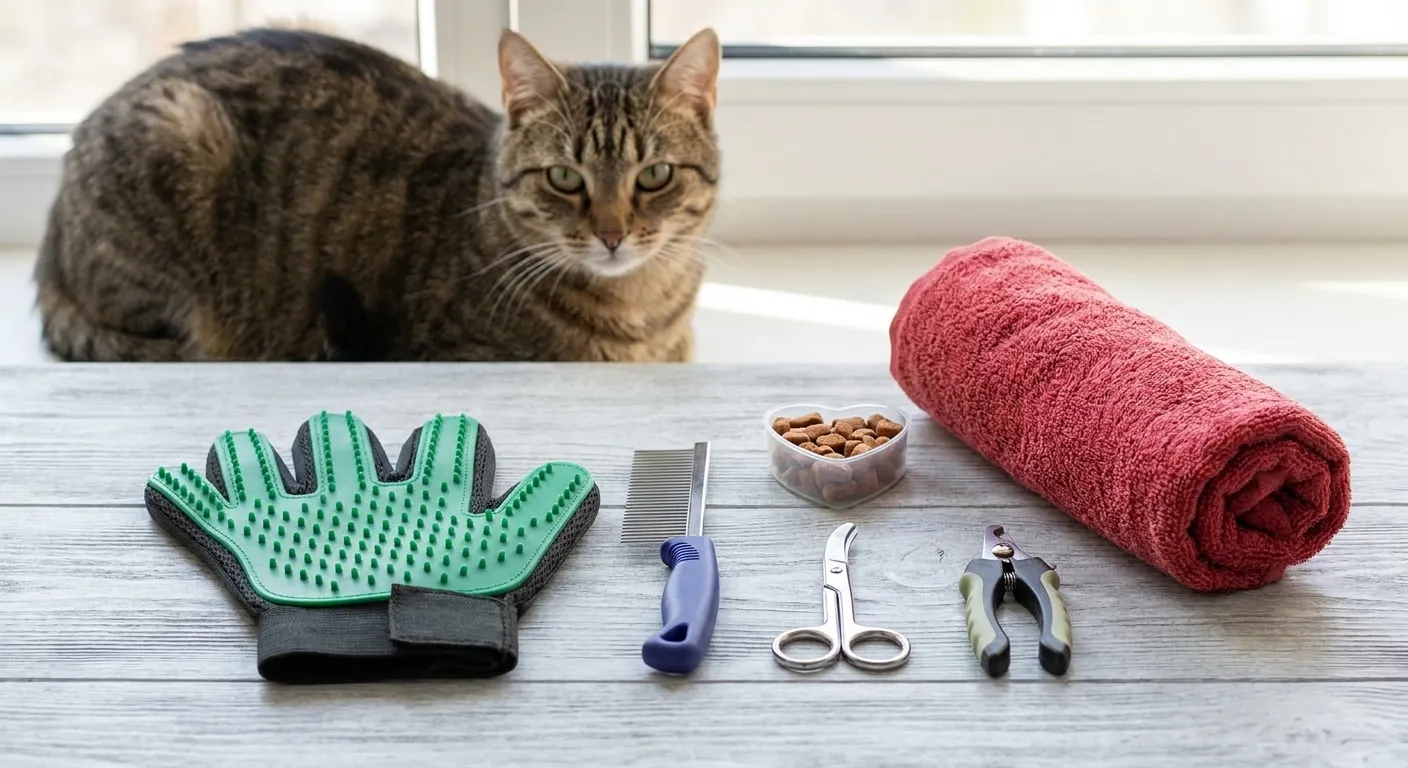
- Grooming Glove: A fantastic tool for cats who are hesitant about traditional brushes. It’s like petting your cat while grooming, collecting loose fur and providing a gentle massage. Indeed, many cats enjoy this gentle approach.
Nail Clippers: Keeping Paws Healthy and Safe
- Scissor-Style Clippers: Generally preferred for cats. They offer precision and are easier to handle for small claws. Ensure they are sharp to make a clean cut and prevent splitting the nail. Never use human nail clippers as they can crush the delicate cat nail.
- Guillotine-Style Clippers: While some prefer these, they can be bulkier and harder to maneuver for cat claws. Stick with scissor-style for ease of use and safety. Furthermore, always have styptic powder on hand in case you accidentally cut too far.
Shampoo and Conditioner: When a Bath is Necessary
While many cats are self-cleaning, some situations require a bath. This might include a particularly dirty cat, one with fleas, or a cat with certain skin conditions. Therefore, having appropriate washing supplies is beneficial.
- Cat-Specific Shampoo: Only use shampoos formulated specifically for cats. Human shampoos can be too harsh and strip natural oils, leading to skin irritation and dryness. Moreover, ensure it’s tear-free for your cat’s comfort.
- Cat-Specific Conditioner: A conditioner can help to detangle fur, especially for long-haired breeds, and moisturize the skin. Similarly, always choose a cat-safe option.
Ear Cleaners: Maintaining Aural Hygiene
Cats generally keep their ears quite clean. However, some breeds or individual cats may require occasional ear cleaning. Regularly checking your cat’s ears is a good practice.
- Veterinarian-Approved Ear Cleaner: Never use cotton swabs inside your cat’s ear canal, as this can cause damage. Instead, use a liquid ear cleaner designed for cats and cotton balls or gauze. Consult your vet for the best product and technique.
Dental Care Supplies: Beyond Fresh Breath
Dental health is crucial for your cat’s overall well-being. Unfortunately, it’s often overlooked. Poor dental hygiene can lead to serious health issues.
- Cat Toothbrush: These are typically small, soft-bristled brushes that fit comfortably in a cat’s mouth. Finger brushes are also an option for easier handling.
- Cat Toothpaste: Crucially, only use toothpaste specifically formulated for felines. Human toothpaste contains ingredients that are toxic to cats. Pet toothpaste comes in flavors cats enjoy, such as poultry or fish.
Grooming Table or Mat: Creating a Dedicated Space
A designated grooming area can make a significant difference. It helps your cat associate a specific spot with grooming, potentially reducing anxiety.
- Non-Slip Mat: This provides stability for your cat, preventing slips and falls during grooming sessions. A rubber bath mat or a specialized grooming mat works well.
- Grooming Table (Optional): For serious groomers or those with multiple cats, a small grooming table can elevate your cat to a comfortable working height. This reduces back strain for you.
Towels and Treats: Comfort and Reward
These simple items are often underestimated but play a vital role in a positive grooming experience. They are truly essential cat grooming tools for stress reduction.
- Soft Towels: Useful for drying after baths or simply for wrapping your cat to provide comfort and security during nail trims or other procedures.
- High-Value Treats: Rewarding your cat with a favorite treat after a grooming session helps create positive associations. This makes future sessions much easier.
Specialized Cat Grooming Tools for Specific Needs
While the above covers the basics, some cats might benefit from additional specialized items. For instance, long-haired breeds often require more intensive dematting tools.
Dematting Tools
For cats prone to severe matting, additional tools can be invaluable. However, use these with extreme caution to avoid skin irritation.
- Dematting Comb/Rake: These tools have sharp blades designed to cut through mats without pulling the surrounding fur. Use them very gently and always with the flat side against the skin.
- Blunt-Tip Scissors: Small, blunt-tip scissors can carefully snip out small, tight mats. Always slide a comb between the mat and the skin before cutting to prevent accidental nicks.
Shedding Blades/Deshedding Tools
These tools are designed to remove large amounts of loose undercoat, significantly reducing shedding around your home. Many cat owners find these incredibly helpful.
- Undercoat Rake: Features longer teeth that reach through the topcoat to pull out loose undercoat.
- Deshedding Tool (e.g., FURminator): These tools are highly effective at removing loose fur from the undercoat. Use them sparingly, perhaps once a week, to avoid irritating the skin.
Grooming Wipes
For quick clean-ups between full grooming sessions, especially around the eyes or paws, grooming wipes are convenient.
- Cat-Specific Grooming Wipes: These are moistened wipes formulated to be safe for your cat’s skin and fur. They are excellent for removing dirt, dander, and minor stains.
Building Your Cat Grooming Kit: A Step-by-Step Approach
As you gather your essential cat grooming tools, consider starting slowly. Introduce one tool at a time to your cat. This gradual approach helps them adapt.
First, begin with a soft brush and gentle petting. Allow your cat to sniff and investigate the tools. Offer treats and praise throughout the process. Indeed, positive reinforcement is key. As your cat becomes comfortable, gradually introduce nail trimming or ear checks. Remember, short, frequent sessions are more effective than long, stressful ones. Consistency builds trust and makes grooming a routine part of your cat’s life. Ultimately, having the right cat grooming supplies makes all the difference.
Tips for Successful Grooming Sessions with Your New Tools
Even with the best essential cat grooming tools, technique matters. Here are some tips to ensure a positive experience for both of you.
- Start Young: Introduce grooming from kittenhood if possible. This helps normalize the experience.
- Choose a Quiet Time: Groom when your cat is relaxed, perhaps after a nap or meal. Avoid times when they are overly playful or agitated.
- Be Gentle and Patient: Never force your cat. If they become agitated, take a break and try again later. Short sessions are always better.
- Positive Reinforcement: Always reward good behavior with treats, praise, or playtime. This helps create a positive association with grooming.
- Regularity is Key: Frequent, short grooming sessions are more effective than infrequent, long ones. This also prevents mats from forming.
- Check for Skin Issues: Use grooming time to inspect your cat’s skin for any abnormalities. Look for fleas, ticks, rashes, or unusual lumps. Early detection is important.
- Consult Your Vet: If you encounter persistent matting, skin issues, or your cat strongly resists grooming, consult your veterinarian. They can offer advice or recommend professional groomers. For serious skin conditions, a vet visit is essential. You can find more information on cat health at VeterinaryPartner.com.
Maintaining Your Grooming Tools
Just as you care for your cat, you must also care for your grooming tools. Cleanliness and sharpness are paramount for effective and safe grooming.
- Clean Brushes and Combs: After each use, remove all cat hair from brushes and combs. Wash them periodically with mild soap and water, then allow them to air dry completely. This prevents the buildup of dander and oils.
- Sanitize Clippers: Wipe nail clipper blades with an alcohol wipe after each use to keep them hygienic. Sharpen or replace clippers regularly to ensure clean cuts. Dull clippers can crush the nail, causing pain.
- Store Properly: Keep all your grooming equipment in a clean, dry place. A dedicated grooming kit bag or box helps keep everything organized and protected.
Conclusion: Equipping Yourself for a Happy, Healthy Cat
Gathering the right essential cat grooming tools is an investment in your cat’s health and happiness. From brushes and nail clippers to dental supplies, each item plays a role in maintaining their well-being. By selecting appropriate gear and approaching grooming with patience and positive reinforcement, you can transform it into a pleasant bonding experience. Remember, a well-groomed cat is often a healthier and happier cat. Start building your comprehensive grooming kit today, and enjoy the benefits of a well-cared-for feline companion.
Frequently Asked Questions About Cat Grooming Supplies
What are the most crucial cat grooming items for new owners?
For new cat owners, the most crucial grooming items include a suitable brush (soft-bristled for short hair, slicker for long hair), cat-specific nail clippers, and possibly a fine-tooth comb. These core items address the most common grooming needs: fur maintenance and claw care.
How often should I use different grooming equipment on my cat?
Brushing should ideally be done daily for long-haired cats and a few times a week for short-haired cats. Nail trimming is typically needed every 2-4 weeks. Ear cleaning and dental brushing depend on individual needs, but daily or every other day is recommended for teeth, and ears as needed, usually monthly. Always observe your cat’s coat and health to adjust the frequency.
Can I use human grooming products on my cat?
No, you should never use human grooming products like shampoos, conditioners, or toothpaste on your cat. These products are formulated for human skin and hair pH and can contain ingredients toxic or irritating to felines. Always opt for cat-specific grooming solutions.
What if my cat hates all the cat grooming tools?
If your cat strongly resists grooming equipment, start slowly with short, positive sessions. Introduce tools gradually, offer high-value treats, and provide plenty of praise. Consider using a grooming glove for sensitive cats. If resistance persists, consult your veterinarian or a professional cat groomer for advice and techniques.
Where can I purchase quality cat care essentials?
Quality feline care essentials can be purchased at reputable pet supply stores, both online and brick-and-mortar. Look for brands recommended by veterinarians or professional groomers. Reading reviews from other cat owners can also help you make informed choices about the best products for your pet.
