
Every cat owner has experienced that distinctive retching sound, followed by the sight of a hairball. While common, understanding the root causes and effective methods for preventing cat hairballs is crucial for every cat owner dedicated to their feline’s well-being. Hairballs aren’t just unpleasant; in severe cases, they can indicate underlying digestive issues or lead to blockages requiring veterinary intervention. With the trend of pet humanization driving increased investment in preventative care and wellness products, proactive strategies for hairball management are more relevant than ever.
The Science Behind Hairballs: Why Do Cats Get Them?
Cats are meticulous self-groomers. Their barbed tongues act like natural combs, removing loose fur, dirt, and debris from their coats. This ingested fur typically passes through their digestive system without issue. However, sometimes, the fur accumulates in the stomach and forms a compacted mass – a hairball. Several factors contribute to this phenomenon.
- Excessive Shedding: Cats with longer coats or those experiencing seasonal shedding are more prone to ingesting larger amounts of fur. Therefore, managing shedding is key. For more on this, consider reading Understanding Cat Shedding: Why Cats Shed and How to Manage It.
- Over-Grooming: Stress, boredom, or skin irritations can lead to excessive licking, increasing fur intake. This behavior often requires addressing the underlying cause.
- Digestive Issues: A slow digestive tract or poor gut motility can hinder the passage of fur, allowing it to accumulate. Consequently, digestive health is paramount.
Grooming: Your First Line of Defense Against Hairballs
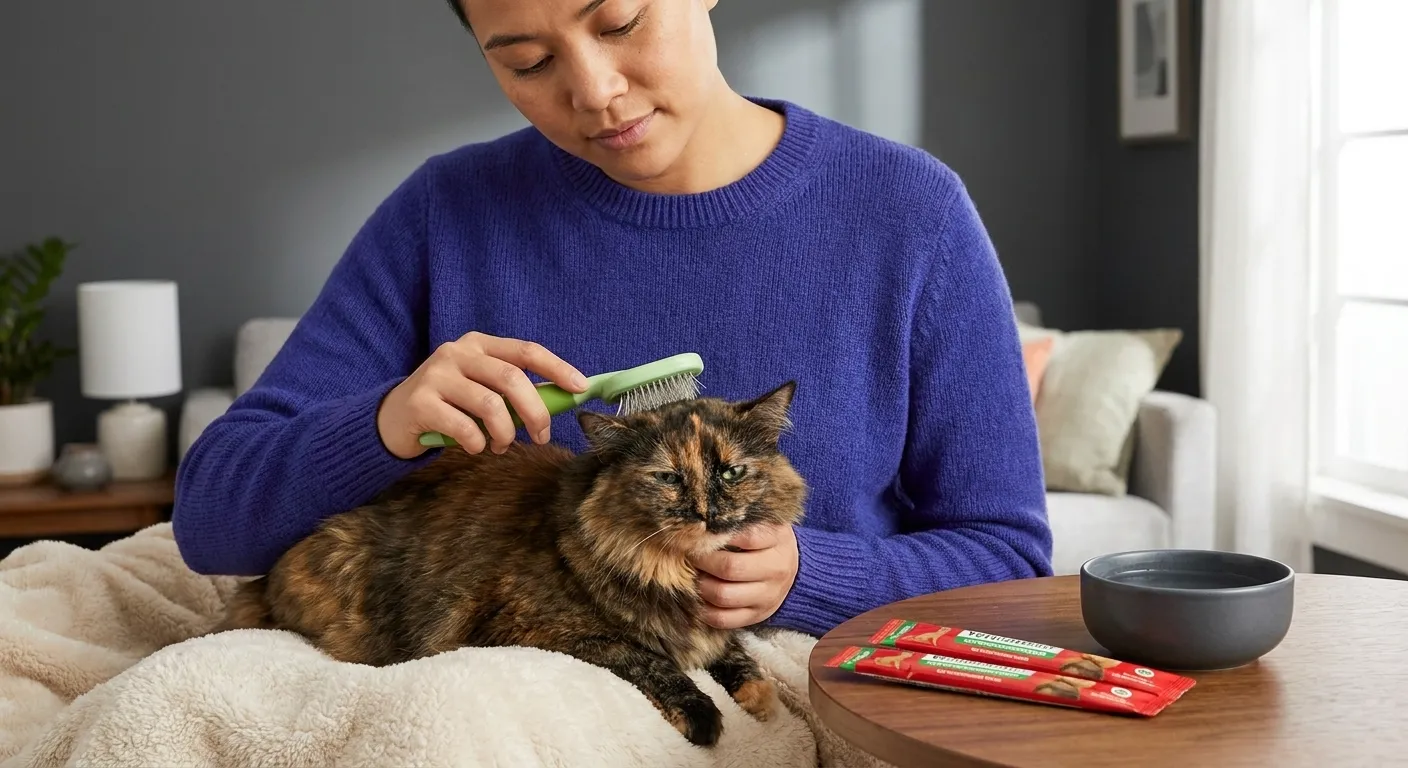
The most effective way to prevent hairballs is to reduce the amount of loose fur your cat ingests. Regular grooming is paramount, aligning with the personalized grooming trend where tailored care based on coat type is highly valued. Here’s how to optimize your grooming routine:
- Daily Brushing: For most cats, especially long-haired breeds, daily brushing is ideal. Short-haired cats can benefit from brushing a few times a week. Use a brush designed for your cat’s coat type – a slicker brush for removing undercoat, a rubber curry brush for short coats, or a fine-toothed comb for tangles. This practice is vital for reducing ingested fur.
- Focus on Shedding Areas: Pay extra attention to areas where fur tends to collect, like the belly, back, and hindquarters. Furthermore, consistent attention to these spots can significantly reduce hairball formation.
- Tech-Enhanced Tools: Consider investing in quieter grooming tools or self-grooming devices like wall-mounted brushes, which cater to the growing demand for tech-enhanced pet products and can make grooming a more pleasant experience for your cat. In addition, these tools can make the process more efficient.
Dietary Interventions: Supporting Digestive Health
What your cat eats plays a significant role in preventing cat hairballs. A healthy digestive system is better equipped to pass ingested fur. The trend of holistic wellness and supplements for pets highlights the importance of nutrition:
- High-Quality Diet: Ensure your cat is on a high-quality, balanced diet rich in animal protein. Look for foods specifically formulated for hairball control, which often contain increased fiber. These specialized diets help fur pass through the digestive tract more easily.
- Fiber-Rich Foods: Incorporating fiber into your cat’s diet can aid digestion and the movement of ingested fur. Some commercial hairball formulas include ingredients like psyllium husk or beet pulp. You can also discuss adding small amounts of cooked pumpkin or other veterinarian-approved fiber sources with your vet.
- Hydration: Adequate water intake is essential for digestive health. Encourage your cat to drink more by providing fresh water daily, using ceramic or stainless steel bowls, or even a pet water fountain. Good hydration helps keep the digestive system running smoothly.
- Supplements: Certain supplements can assist in hairball management. These often contain lubricants like petroleum jelly or mineral oil, which help fur slide through the digestive tract. Consult your veterinarian before introducing any new supplements to ensure they are safe and appropriate for your cat’s specific needs.
Environmental Enrichment and Stress Reduction
As previously mentioned, stress and boredom can lead to over-grooming, increasing the likelihood of hairball development. Therefore, creating a stimulating and calm environment is an important part of a holistic strategy for preventing cat hairballs.
- Playtime: Engage your cat in regular play sessions to reduce boredom and provide mental and physical stimulation. Interactive toys, laser pointers, and feather wands can be excellent tools.
- Vertical Space: Cats love to climb and observe their surroundings from high vantage points. Provide cat trees, shelves, or window perches to give them safe spaces to explore and relax.
- Reduce Stressors: Identify and minimize potential stressors in your cat’s environment. This could include sudden changes in routine, loud noises, or conflicts with other pets. Feliway diffusers or other calming products might also be beneficial.
- Regular Vet Check-ups: Routine veterinary visits can help identify underlying health issues that might contribute to excessive grooming or digestive problems. Early detection and treatment can prevent more severe hairball complications.
Understanding Different Types of Hairball Remedies
Beyond daily care, various products are available to help manage hairballs. It is important to understand their mechanisms and choose wisely.
- Hairball Control Cat Food: Many major pet food brands offer specialized hairball control formulas. These foods are typically higher in fiber, which helps ingested fur pass through the digestive system more easily. They can be a convenient option for long-term management.
- Hairball Laxatives/Gels: These products often contain lubricants like petroleum jelly or mineral oil. When given orally, they coat the ingested fur, making it easier for the hairball to move through the digestive tract and be expelled in feces rather than vomited up. They are usually given a few times a week or as needed.
- Natural Remedies: Some owners explore natural remedies such as certain herbs or oils. However, always consult with your veterinarian before trying any natural remedies to ensure their safety and efficacy for your cat. Scientific evidence for many natural remedies is limited.
It’s important to remember that while hairballs are common, frequent or severe hairballs can be a sign of an underlying issue. If your cat is experiencing persistent vomiting, loss of appetite, lethargy, or constipation, it is crucial to seek veterinary attention immediately. These symptoms could indicate a serious blockage or other health problem.
The Importance of a Consistent Routine
Consistency in your grooming and feeding routines is key to effective hairball prevention. Cats thrive on routine, and predictable schedules can reduce stress, which in turn can lessen over-grooming behaviors. For instance, establishing a daily brushing time can become a positive bonding experience for you and your cat.
Furthermore, maintaining a consistent diet helps regulate your cat’s digestive system. Sudden changes in food can sometimes upset their stomach, potentially exacerbating hairball issues. If you need to change your cat’s diet, do so gradually over several days to allow their system to adjust. This careful approach supports overall digestive health and contributes to successful management of hairball formation.
When to Seek Veterinary Help for Hairball Problems
While occasional hairballs are normal for cats, certain signs warrant immediate veterinary attention. Recognizing these red flags is crucial for your cat’s health and well-being. If you observe any of the following, contact your veterinarian promptly:
- Frequent or Persistent Vomiting: If your cat is vomiting hairballs more than once or twice a month, or if they are vomiting frequently without producing a hairball, it could indicate a more serious issue.
- Loss of Appetite or Weight Loss: A decrease in appetite or noticeable weight loss can be a sign of an intestinal blockage or another underlying health problem.
- Lethargy or Weakness: If your cat seems unusually tired, weak, or less active than usual, it’s a cause for concern.
- Constipation or Diarrhea: Changes in bowel movements, such as straining to defecate, producing very small or hard stools, or experiencing diarrhea, can be related to digestive issues or blockages caused by hairballs.
- Swollen Abdomen or Pain: If your cat’s abdomen appears swollen or if they show signs of pain when touched, it could indicate a severe blockage.
These symptoms could point to an intestinal obstruction, which is a life-threatening condition requiring urgent medical intervention. Early diagnosis and treatment are vital for a positive outcome. Your veterinarian can perform examinations, blood tests, and imaging (like X-rays or ultrasound) to determine the cause of the problem and recommend appropriate treatment.
Long-Term Benefits of Hairball Prevention
Proactive measures for hairball management offer numerous long-term benefits for your feline companion. A cat free from frequent hairball issues generally experiences better digestive health, leading to improved nutrient absorption and a more consistent energy level. Moreover, reducing hairball incidents means less stress for both you and your cat, as the unpleasant process of vomiting hairballs is minimized.
A healthy coat, achieved through regular grooming and a balanced diet, not only looks good but also contributes to your cat’s overall comfort. Fewer tangles and mats reduce skin irritation and the urge to over-groom. Ultimately, consistent efforts in preventing cat hairballs contribute to a happier, healthier, and more comfortable life for your cherished pet. This holistic approach supports their well-being for years to come.
In conclusion, while hairballs are a natural part of feline life, effective strategies for their prevention are readily available. By combining regular grooming, appropriate dietary choices, environmental enrichment, and vigilance for warning signs, you can significantly reduce the incidence of hairballs and ensure your cat enjoys optimal health and comfort. Remember that a proactive approach is always best when it comes to your cat’s well-being.
FAQ Section
What causes cats to get hairballs?
Cats get hairballs primarily from ingesting loose fur during self-grooming. Their barbed tongues act like combs, collecting shed hair. While most fur passes through, sometimes it accumulates in the stomach, forming a compacted mass that is then vomited.
How often should I brush my cat to reduce hairballs?
For most cats, especially long-haired breeds, daily brushing is ideal. Short-haired cats can benefit from brushing a few times a week. The goal is to remove as much loose fur as possible before your cat ingests it.
Can diet help with hairball control?
Yes, diet plays a significant role. High-quality cat foods formulated for hairball control often contain increased fiber, which helps ingested fur pass through the digestive system more easily. Ensuring good hydration also supports digestive health.
Are hairball remedies safe for my cat?
Many hairball remedies, such as specialized foods and lubricants, are generally safe when used as directed. However, always consult your veterinarian before introducing any new supplements or treatments to ensure they are appropriate for your cat’s specific health needs.
When should I be concerned about my cat’s hairballs?
You should be concerned if your cat is vomiting hairballs frequently (e.g., more than once or twice a month), experiencing persistent vomiting without producing a hairball, showing loss of appetite, lethargy, constipation, or a swollen abdomen. These could indicate a serious blockage and require immediate veterinary attention.
