
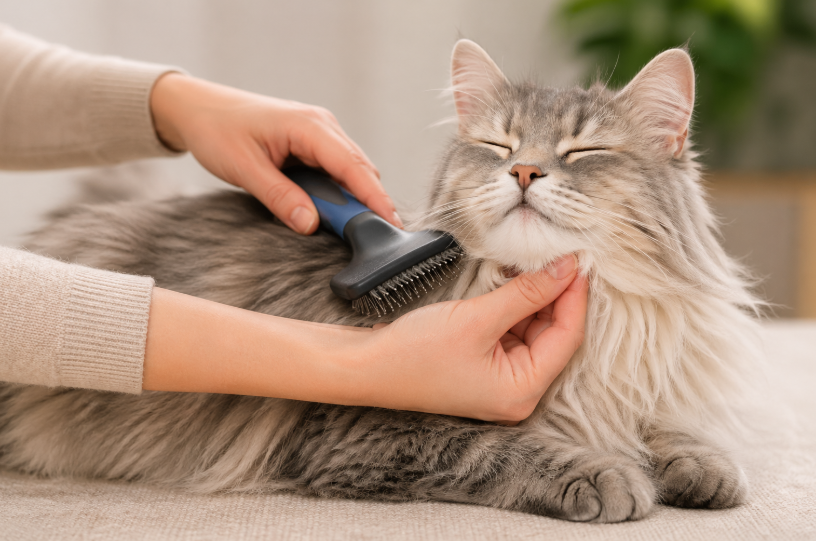
Grooming can be one of the most rewarding ways to bond with your pet, yet many owners struggle when trying to groom long haired cats without triggering stress or resistance. Long coats require regular care, but without the right approach, even a gentle session can quickly turn into a battle. Fortunately, with patience, proper technique, and a better understanding of feline behavior, grooming can become a calm and positive routine rather than a stressful chore.
Long haired cats often develop tangles and mats if left unattended, so learning how to groom long haired cats properly is essential for their comfort and health. However, the key lies not just in brushing, but in creating an experience that feels safe and predictable for your cat. When done correctly, grooming can strengthen trust while keeping your cat’s coat clean, smooth, and healthy.
Understand Why Cats React Aggressively During Grooming
Before you attempt to groom long haired cats, it helps to understand why aggression happens in the first place. Most cats are not naturally resistant to grooming. Instead, they react to discomfort, fear, or unfamiliar sensations. For example, pulling on knots can cause pain, which leads to defensive behavior like scratching or biting.
Additionally, cats are sensitive to touch in certain areas such as the belly, legs, and tail. When these areas are handled too quickly, they may respond aggressively. Therefore, recognizing your cat’s body language is crucial. Signs like twitching tails, flattened ears, or sudden stillness often indicate that your cat is becoming uncomfortable.
By identifying these signals early, you can adjust your approach and avoid escalating the situation. This awareness is one of the most effective ways to groom long haired cats without aggression.
Create A Calm Grooming Environment
A relaxed setting makes a significant difference when you groom long haired cats. Choose a quiet room where there are no loud noises or sudden distractions. Ideally, grooming should take place in a space your cat already feels comfortable in, such as a favorite resting spot.
Lighting should be soft but sufficient so you can see tangles clearly. Meanwhile, placing a towel or soft mat underneath your cat provides stability and prevents slipping. This small detail can greatly reduce anxiety.
Consistency also plays a role. If you groom long haired cats at the same time each day or week, they begin to expect the routine. Over time, this predictability reduces stress and resistance, making each session smoother than the last.
Start Slowly And Build Trust Over Time
One of the biggest mistakes owners make is rushing the process. Instead, take a gradual approach when you groom long haired cats. Begin with short sessions lasting just a few minutes. Focus on areas your cat enjoys being touched, such as the back or under the chin.
As your cat becomes more comfortable, slowly extend the grooming time. This step-by-step approach helps your cat associate grooming with positive experiences rather than fear. Moreover, it prevents overwhelming your pet, which is a common cause of aggressive reactions.
Using a gentle voice and calm movements also helps. Sudden motions can startle your cat, so always move slowly and deliberately. Over time, this builds trust and allows you to groom long haired cats more effectively.
Choose The Right Tools For Gentle Grooming
The tools you use can either make grooming easier or significantly harder. When you groom long haired cats, opt for brushes specifically designed for long coats. Wide-tooth combs and soft slicker brushes are ideal because they reduce pulling and discomfort.
Avoid using tools that tug or snag the fur, as these can cause pain and trigger aggression. Instead, focus on gentle detangling. If you encounter a knot, hold the base of the fur near the skin to prevent pulling while you work through it.
Additionally, keeping tools clean and in good condition ensures a smoother grooming experience. A well-maintained brush glides through the coat more easily, which helps you groom long haired cats without causing stress.
Use Positive Reinforcement Throughout The Process
Positive reinforcement is one of the most effective strategies when you groom long haired cats. Reward your cat with treats, praise, or gentle petting during and after each session. This creates a strong association between grooming and positive outcomes.
Timing is important. Offer rewards immediately after a calm behavior so your cat understands what is being encouraged. Over time, your cat will begin to tolerate, and even enjoy, grooming sessions.
Consistency matters as well. If you regularly reward calm behavior, your cat will be more likely to remain relaxed. This approach transforms grooming from a stressful event into a bonding experience.
Handle Mats And Tangles Carefully
Mats are one of the biggest challenges when you groom long haired cats. They can form quickly and become painful if not addressed properly. However, removing them incorrectly can lead to discomfort and aggression.
Instead of pulling, gently separate the mat using your fingers before applying a comb. Work slowly and patiently, focusing on small sections at a time. If the mat is too tight, consider using a detangling spray to loosen it.
In severe cases, trimming may be necessary. Always use blunt-tip scissors and proceed with extreme caution. If you are unsure, a professional groomer or veterinarian can help safely remove stubborn mats.
Know When To Take Breaks
Even the most patient cat has limits. Therefore, knowing when to pause is essential when you groom long haired cats. If your cat shows signs of irritation, stop the session immediately and allow them to relax.
Short, frequent sessions are often more effective than long ones. For example, grooming for five minutes daily can be far less stressful than a single extended session. This approach keeps your cat calm and prevents negative associations.
Taking breaks also helps maintain trust. By respecting your cat’s limits, you show that grooming is not something to fear. Over time, this makes it easier to groom long haired cats without resistance.
Maintain A Regular Grooming Routine
Consistency is key when you groom long haired cats. Regular grooming prevents tangles from forming, which reduces discomfort and the likelihood of aggressive reactions. Ideally, brushing should be done several times a week, depending on your cat’s coat.
Routine grooming also allows you to monitor your cat’s skin and overall health. Early detection of issues such as irritation or parasites can prevent more serious problems later.
Moreover, a consistent routine builds familiarity. When your cat knows what to expect, they are less likely to become anxious or defensive. This makes it much easier to groom long haired cats over time.
Stay Calm And Patient At All Times
Your energy directly affects your cat’s behavior. If you feel frustrated, your cat will likely sense it and become more anxious. Therefore, staying calm is essential when you groom long haired cats.
Take deep breaths and maintain a relaxed posture throughout the session. If things do not go as planned, simply stop and try again later. Patience is more effective than force, especially when dealing with sensitive animals.
Remember that grooming is not just about maintaining appearance. It is also about building trust and strengthening your bond. When approached with patience and care, even the most resistant cat can learn to tolerate grooming.
When To Seek Professional Help
Sometimes, despite your best efforts, grooming at home may not be enough. In such cases, seeking professional help is a wise decision. Groomers have the experience and tools needed to groom long haired cats safely and efficiently.
Professional grooming can be especially helpful for cats with severe matting or those that become highly aggressive. Additionally, veterinarians can provide guidance if your cat’s behavior is linked to underlying health issues.
Choosing the right professional ensures your cat receives proper care without unnecessary stress. This option can also serve as a learning experience for improving your own grooming techniques.
Conclusion
Learning how to groom long haired cats without aggression requires patience, understanding, and the right approach. While it may seem challenging at first, small changes in technique and mindset can make a significant difference. By creating a calm environment, using gentle tools, and reinforcing positive behavior, grooming can become a peaceful and even enjoyable experience for both you and your cat.
Over time, consistency and trust will transform grooming sessions into a routine your cat accepts without fear. Instead of struggling, you will find that your cat becomes more cooperative and relaxed. With the right strategy, you can successfully groom long haired cats while strengthening your bond and ensuring their long-term comfort and health.
FAQ
- How often should I brush a long-haired cat?
Brushing should be done several times a week to prevent tangles and maintain a healthy coat. - What should I do if my cat bites during grooming?
Stop immediately, give your cat space, and resume later with shorter, calmer sessions. - Can I cut mats out of my cat’s fur at home?
Yes, but use blunt scissors carefully or seek professional help for severe matting. - What tools are best for long coats?
Wide-tooth combs and soft slicker brushes work best for gentle detangling. - Why does my cat hate being groomed?
Discomfort, fear, or past negative experiences can cause resistance during grooming.
