
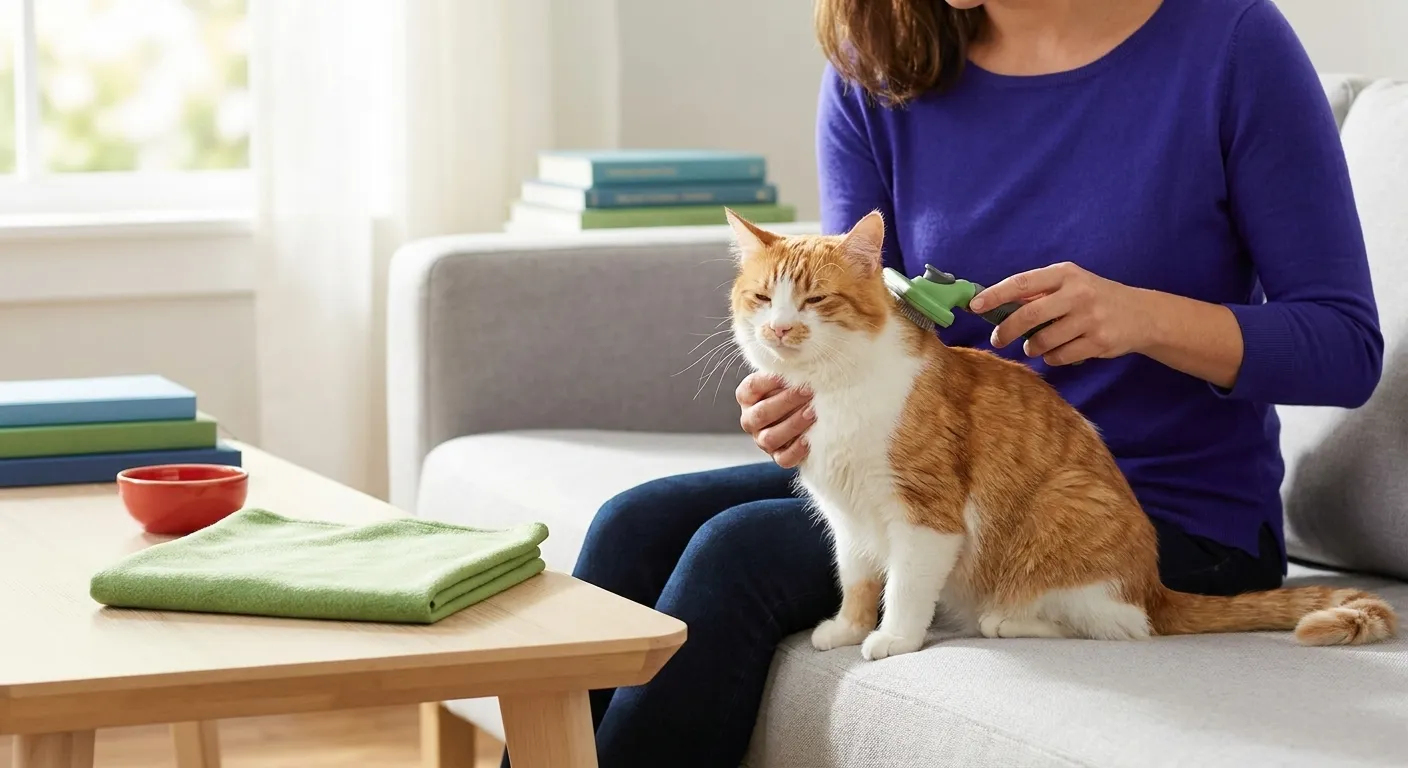
For many cat owners, the thought of grooming can evoke images of wrestling matches and scratched arms. But what if we told you it doesn’t have to be that way? Building a positive cat grooming experience is crucial for both you and your feline friend, transforming a chore into a bonding opportunity. At Cat Grooming HQ, we believe that with the right approach – focusing on gentle handling and positive reinforcement – grooming can become a moment of connection, not contention.
The Foundation: Gentle Handling and Trust
Cats are creatures of habit and comfort. Any sudden, forceful, or uncomfortable interaction can quickly erode trust. The key to a stress-free cat grooming routine lies in understanding and respecting your cat’s boundaries. Gentle handling means:
- Slow Introductions: Don’t just pounce with a brush. Let your cat sniff and investigate grooming tools before you use them.
- Soft Touches: Use a light hand when brushing or petting. Avoid pulling fur or digging into their skin.
- Support and Security: When holding your cat, ensure they feel secure. Support their body, especially their hindquarters, to prevent them from feeling off-balance or trapped.
- Reading Their Cues: Pay close attention to your cat’s body language. Flattened ears, a twitching tail, growling, or trying to escape are all signs of discomfort. Stop immediately and try again later.
The Power of Positive Reinforcement for Happy Cat Grooming Sessions
Positive reinforcement is the cornerstone of creating a calm cat grooming approach. It’s about rewarding desirable behavior, making your cat associate grooming with good things. Here’s how to implement it:
- Treats, Treats, Treats!
- Before: Offer a favorite treat just before you start a grooming session. This sets a positive tone.
- During: Give small, frequent treats throughout the session, especially after a successful brush stroke or nail clip. This reinforces that good things happen during grooming.
- After: Conclude the session with a special treat or a short play session to end on a high note.
- Verbal Praise and Petting:
- Use a soothing, calm voice during grooming. Tell your cat they’re doing a good job.
- Combine brushing with petting in their favorite spots. Make it feel like an extended cuddle session.
- Short and Sweet Sessions:
- Especially when starting, keep grooming sessions very brief – just a minute or two. The goal is to end before your cat becomes agitated.
- Gradually increase the duration as your cat becomes more comfortable. Consistency with short, positive sessions is far more effective than infrequent, long, stressful ones.
- Create a Calm Environment:
- Choose a quiet time and place where you won’t be interrupted. Turn off loud noises or distractions.
- Consider using calming pheromone sprays or diffusers. These can help reduce anxiety.
Essential Tools for a Positive Cat Grooming Experience
Having the right tools is fundamental for effective and comfortable grooming. Furthermore, selecting high-quality, cat-specific products prevents discomfort and injury. Here are the must-haves:
- Brushes: Different coat types require different brushes. A slicker brush works well for removing loose fur and mats, particularly for long-haired cats. A rubber curry brush is excellent for short-haired cats, gently massaging the skin while removing loose hair. Additionally, a fine-toothed comb is essential for detecting and working out small tangles.
- Nail Clippers: Use clippers specifically designed for cats. Human nail clippers can split or crush their delicate nails. There are scissor-style and guillotine-style clippers; moreover, choose the one you find easiest to handle.
- Cat-Specific Shampoo: Never use human shampoo on cats. Their skin pH is different, and human products can cause irritation or dry skin. Always opt for a shampoo formulated for felines.
- Grooming Wipes: These are great for quick clean-ups, especially around the face and paws, between full baths.
- Dental Care: A cat toothbrush and enzymatic toothpaste are vital. Oral hygiene contributes significantly to overall health.
Step-by-Step Guide to a Positive Cat Grooming Experience
Establishing a routine helps both you and your cat know what to expect. Consequently, consistency builds confidence. Here’s a general guide:
1. Brushing Your Cat
Start with short brushing sessions. Begin by gently stroking your cat with the brush, moving in the direction of their fur growth. If they tolerate it, gradually increase the duration. Pay attention to areas prone to matting, such as behind the ears, under the legs, and around the tail. Always keep an eye on their body language. Reward calm behavior with treats and praise. This makes the grooming experience a pleasant one.
2. Nail Trimming for Comfortable Paws
Introduce nail trimming gradually. First, gently touch your cat’s paws without clippers. If they are comfortable, gently press a paw pad to extend a nail. Only clip the very tip, avoiding the quick (the pink part containing blood vessels and nerves). The quick is very sensitive; cutting it causes pain and bleeding. If you’re unsure, ask your vet or a professional groomer for a demonstration. Regular trimming prevents nails from becoming too long or ingrown. For a visual guide, consider resources like ASPCA’s guide on cat nail trimming.
3. Bathing (When Necessary)
Most cats are self-groomers and rarely need baths. However, if your cat gets particularly dirty or has skin issues requiring medicated shampoo, a bath might be necessary. Prepare everything beforehand: lukewarm water, cat shampoo, towels, and treats. Use a non-slip mat in the tub. Gently wet your cat, apply a small amount of shampoo, and rinse thoroughly. Keep the water out of their ears and eyes. Wrap them in a towel immediately afterward and offer warmth and comfort. Ending with a treat helps reinforce a positive cat grooming experience.
4. Dental Hygiene
Dental care is often overlooked but crucial for your cat’s health. Start by letting your cat lick a tiny bit of cat toothpaste off your finger. Gradually introduce a finger brush or a small, soft cat toothbrush. Gently brush their teeth for short periods. Daily brushing is ideal, but even a few times a week makes a significant difference. Regular dental care can prevent painful dental diseases. Moreover, it contributes to their overall well-being. The AAHA provides excellent information on feline dental care.
Addressing Common Grooming Challenges
Even with the best intentions, challenges can arise. However, patience and persistence are key.
Mats and Tangles
For small mats, try to gently work them out with your fingers or a wide-toothed comb. Use a detangling spray designed for cats. If a mat is large, tight, or close to the skin, do not try to cut it out yourself, as you could easily cut your cat. In such cases, professional groomers have specialized tools and expertise to safely remove mats. Regular brushing helps prevent mats from forming, making the entire grooming process smoother.
Aggression or Fear
If your cat shows significant aggression or fear during grooming, stop the session. Forcing them can worsen their anxiety. Instead, break down the grooming tasks into even smaller steps. For example, simply touching the brush to their fur for a second, then rewarding them. Gradually increase the duration of contact. If fear persists, consult your veterinarian or a certified feline behaviorist. They can provide tailored advice and strategies to help your cat overcome their fear and foster a more positive cat grooming experience.
Sensitive Areas
Some cats are more sensitive around their paws, tail, or belly. Approach these areas with extra caution and more frequent rewards. Focus on very short interactions in these spots, building up tolerance over time. If your cat consistently resists touching a specific area, there might be an underlying medical issue. Therefore, a vet check-up is advisable.
Making Grooming a Bonding Ritual
Ultimately, the goal is to transform grooming into a positive interaction that strengthens the bond between you and your cat. This means more than just removing fur or clipping nails; it’s about mutual respect and trust. By consistently applying gentle handling, positive reinforcement, and understanding your cat’s unique personality, you can create a routine they not only tolerate but perhaps even look forward to. A truly positive cat grooming experience enhances their physical comfort and emotional well-being. It’s a dedicated time when you give your feline friend undivided attention and care. This consistent, caring approach makes all the difference.
Conclusion
Cultivating a positive cat grooming experience requires patience, understanding, and a consistent approach. By focusing on gentle handling, positive reinforcement, and using the right tools, you can transform grooming from a dreaded chore into a cherished bonding activity. Remember to read your cat’s cues, keep sessions short and sweet, and always end on a positive note. A well-groomed cat is a happier, healthier cat, and a positive grooming routine strengthens the special connection you share. At Cat Grooming HQ, we are committed to helping you achieve purr-fect harmony with your feline companion.
FAQ
What is the best way to start a stress-free cat grooming routine?
Begin with short, gentle sessions. Introduce tools slowly, letting your cat sniff and investigate them. Use plenty of treats and verbal praise to create positive associations. Consistency is more important than duration, especially at first.
How can I make my cat enjoy being brushed?
Choose a soft brush appropriate for their fur type. Start with brief strokes in their favorite petting spots, gradually extending to other areas. Offer treats frequently and speak in a calm, soothing voice. Make it feel like a gentle massage rather than a chore.
My cat hates nail trims. What should I do?
Take it slow. Start by just touching their paws and rewarding them. Gradually progress to gently extending a nail, then briefly touching the clippers to a nail. Only trim one or two nails at a time if that’s all your cat tolerates. Always reward after each step, and never force the issue.
Are there any natural calming aids for anxious cats during grooming?
Yes, some owners find success with pheromone diffusers or sprays designed for cats. These release calming synthetic pheromones. Additionally, some natural supplements, like L-theanine or Zylkene, can help reduce anxiety, but always consult your vet before administering any supplements.
How often should I groom my cat for good health?
Grooming frequency varies by coat type. Short-haired cats generally need brushing a few times a week, while long-haired cats may require daily brushing to prevent mats. Nail trims are typically needed every 2-4 weeks. Dental brushing is ideally daily, but even several times a week is beneficial. Observe your cat’s needs and adjust accordingly to maintain a positive cat grooming approach.
