
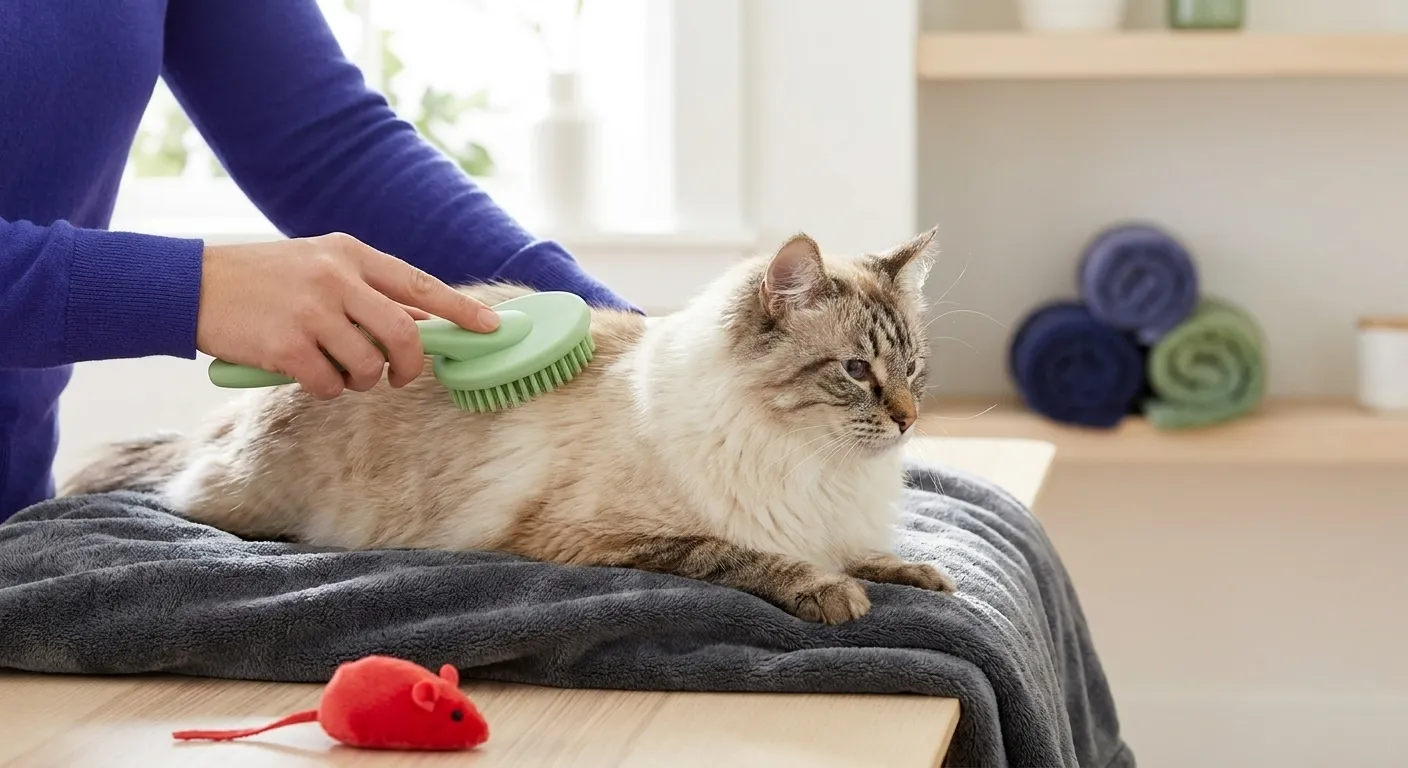
Few things are as frustrating for a cat owner, or as uncomfortable for a cat, as discovering a matted patch of fur. These tight, tangled knots can pull at the skin, cause pain, and even lead to skin infections if left unaddressed. But what if we told you that with the right approach, you can significantly reduce the chances of your feline friend developing these pesky tangles? This comprehensive guide will walk you through everything you need to know to prevent cat matting, ensuring your beloved companion enjoys a comfortable, healthy, and beautiful coat.
Understanding Why Mats Form
Before we dive into prevention, let’s briefly understand why mats happen. Cat fur, particularly longer coats, can easily become tangled when dead hair, dirt, and oils get trapped together. As the cat moves, these small tangles can tighten and grow, eventually forming dense mats that are difficult to remove. Factors contributing to matting include:
- Shedding: Loose undercoat can easily knot if not removed.
- Lack of Grooming: Infrequent brushing allows tangles to accumulate.
- Activity Levels: Active cats might pick up more debris or create friction that leads to tangles.
- Health Issues: Cats who are unwell or overweight may struggle to groom themselves effectively, leading to matting in hard-to-reach areas.
- Coat Type: Long-haired breeds like Persians, Maine Coons, and Ragdolls are more prone to matting due to their luxurious, dense fur.
How to Prevent Cat Matting: Your Gentle Action Plan
The good news is that most matting is preventable with consistent, gentle care. Here’s your step-by-step guide to keeping your cat’s fur smooth and tangle-free.
Regular Brushing: The First Line of Defense
This is the cornerstone of mat prevention. Daily or every-other-day brushing is ideal, especially for long-haired breeds. Short-haired cats can benefit from brushing a few times a week. Regular brushing removes loose fur, dirt, and debris before they have a chance to form tangles. It also distributes natural skin oils, promoting a healthy, shiny coat.
When brushing, always work in small sections, starting from your cat’s head and working your way down to the tail. Pay special attention to areas prone to matting: behind the ears, under the chin, armpits, flanks, and the “britches” (the fur around their hind legs). Use gentle strokes and always brush in the direction of hair growth. Furthermore, make sure your cat is relaxed and comfortable during grooming sessions.
Choosing the Right Tools
Having the correct grooming tools makes a world of difference. Different brushes serve different purposes, therefore selecting the right ones is crucial for effective feline coat maintenance.
- Slicker Brush: Excellent for removing loose fur and small tangles, especially on medium to long coats. Its fine, wire bristles are designed to gently detangle without pulling too much.
- Metal Comb (Fine/Coarse): Essential for checking for tangles after brushing and for working through very minor knots. The fine-toothed side is great for delicate areas like the face, while the coarse side helps with thicker body fur.
- Rubber Curry Brush: Ideal for short-haired cats to remove loose hair and provide a gentle massage. This type of brush also helps stimulate circulation and distribute natural oils.
- Deshedding Tool (e.g., FURminator): These tools are highly effective for removing large amounts of loose undercoat, which is a primary cause of matting. However, use them sparingly and according to instructions to avoid irritating your cat’s skin.
- Blunt-nosed Scissors: Only for emergencies and with extreme caution! These should only be used by experienced owners or professionals to carefully snip *around* a mat if absolutely necessary, never directly into it. It’s generally safer to consult a professional groomer for severe mats.
Establishing a Routine
Consistency is key when you want to prevent cat matting. Try to groom your cat at the same time each day or week. This helps them get used to the routine and makes the experience less stressful. A calm environment is also important. Offer treats and praise during and after grooming sessions to create positive associations. Moreover, short, frequent sessions are often more effective than long, infrequent ones.
The Importance of Diet and Hydration
A cat’s diet plays a significant role in the health of their skin and coat. High-quality cat food rich in essential fatty acids (like Omega-3 and Omega-6) promotes a healthy, strong coat that is less prone to matting and shedding. Similarly, proper hydration is vital. A well-hydrated cat generally has healthier skin and fur, which can help in preventing fur tangles. Always ensure your cat has access to fresh, clean water.
Controlling Environmental Factors
Your cat’s environment can also contribute to matting. For instance, dusty homes or areas with a lot of static electricity can make fur more prone to tangling. Regularly vacuuming and using a humidifier in dry climates can help. Furthermore, consider providing a designated grooming area that is free from distractions and clutter. This can make the grooming process more efficient and enjoyable for your cat.
Bathing When Necessary
While most cats are self-groomers, occasional bathing can be beneficial, especially for long-haired breeds or cats that get particularly dirty. Use a cat-specific shampoo and conditioner to avoid drying out their skin. Ensure you thoroughly rinse all shampoo out to prevent residue, which can attract dirt and lead to matting. After bathing, gently towel dry your cat and then comb through their fur to remove any tangles that may have formed during the wash. It is essential to dry them completely to prevent skin issues.
Addressing Overweight or Elderly Cats
Overweight, elderly, or arthritic cats often struggle to groom themselves effectively, especially in hard-to-reach areas like their back and hindquarters. For these cats, regular human assistance with grooming is even more critical to prevent cat matting. Consider consulting your veterinarian for advice on managing their weight or discomfort, which can indirectly help with their self-grooming abilities. Special brushes designed for sensitive skin might also be helpful for older cats.
Professional Grooming Services
For some cats, especially those with very dense or long coats, or those who are particularly resistant to home grooming, professional groomers can be invaluable. A professional groomer has the tools and expertise to handle difficult coats and can often spot potential issues before they become severe. They can also offer services like lion cuts, which can be a great option for cats that frequently develop mats despite regular home care. This can significantly help to prevent cat matting in the long run.
Dealing with Minor Tangles
Despite your best efforts, minor tangles might still appear. Here’s how to deal with them gently:
- Don’t Pull: Never pull at a tangle. This will hurt your cat and make them resistant to future grooming.
- Use Cornstarch: Sprinkle a small amount of cornstarch or detangling powder on the mat. This can help loosen the hairs.
- Work Slowly: Gently tease the tangle apart with your fingers or the coarse end of a metal comb, working from the outer edges inwards.
- Patience is Key: If your cat becomes agitated, take a break and try again later. Short, positive sessions are always better.
Remember, the goal is to make grooming a positive experience. If a mat is too large, too tight, or too close to the skin, do not attempt to cut it out yourself. This can easily injure your cat. Instead, seek help from a professional groomer or veterinarian.
Understanding the Health Benefits of a Mat-Free Coat
Beyond aesthetics, keeping your cat’s coat free from mats offers significant health benefits. Firstly, a smooth coat allows for proper air circulation, which prevents skin irritation and infections that can thrive in matted areas. Secondly, regular grooming helps you monitor your cat’s skin for any abnormalities, such as bumps, fleas, ticks, or dry patches, enabling early detection and treatment. Thirdly, a comfortable, mat-free coat contributes to your cat’s overall well-being and happiness. A cat free from the pain of pulling mats is a happier, more playful companion. Therefore, consistently working to prevent cat matting is a crucial aspect of responsible pet ownership.
Conclusion
Preventing cat matting is an ongoing process that requires patience, the right tools, and a consistent routine. By understanding why mats form and implementing the gentle action plan outlined above, you can ensure your feline friend enjoys a healthy, comfortable, and beautiful coat for years to come. Remember, a well-groomed cat is a happy cat, and a happy cat makes for a happy home. Consistency in grooming practices is truly the most effective way to prevent these uncomfortable tangles. Ultimately, your efforts to prevent cat matting will strengthen the bond you share with your beloved pet.
For more detailed information on cat grooming techniques, you can visit ASPCA Cat Grooming Tips. Additionally, understanding your cat’s specific breed needs can be very helpful; resources like AKC Cat Breeds provide valuable insights.
FAQ
How often should I brush my long-haired cat to keep tangles away?
For long-haired cats, daily or every-other-day brushing is ideal. This frequency effectively removes loose fur and prevents small tangles from becoming larger mats. Short, consistent grooming sessions are generally more effective than infrequent, lengthy ones.
Can diet really impact my cat’s fur health and help avoid matting?
Yes, diet plays a significant role. High-quality cat food rich in Omega-3 and Omega-6 fatty acids promotes a healthier, stronger coat that is less prone to shedding and tangling. Good nutrition contributes to overall skin and coat vitality.
What should I do if I find a small knot in my cat’s fur?
If you find a small knot, sprinkle a little cornstarch on it to help loosen the hairs. Then, gently tease the tangle apart with your fingers or the coarse end of a metal comb, working slowly from the outer edges. Never pull or cut directly into the knot.
Are there certain areas on a cat that are more prone to developing fur tangles?
Yes, some areas are more susceptible. These include behind the ears, under the chin, in the armpits, along the flanks, and around the hind legs (often called the “britches”). Pay extra attention to these spots during your grooming routine.
When should I consider taking my cat to a professional groomer for coat maintenance?
Consider a professional groomer if your cat has a very dense or long coat, is resistant to home grooming, or if you discover mats that are too large, tight, or close to the skin for you to safely remove. Professionals have specialized tools and expertise to handle difficult situations.
