
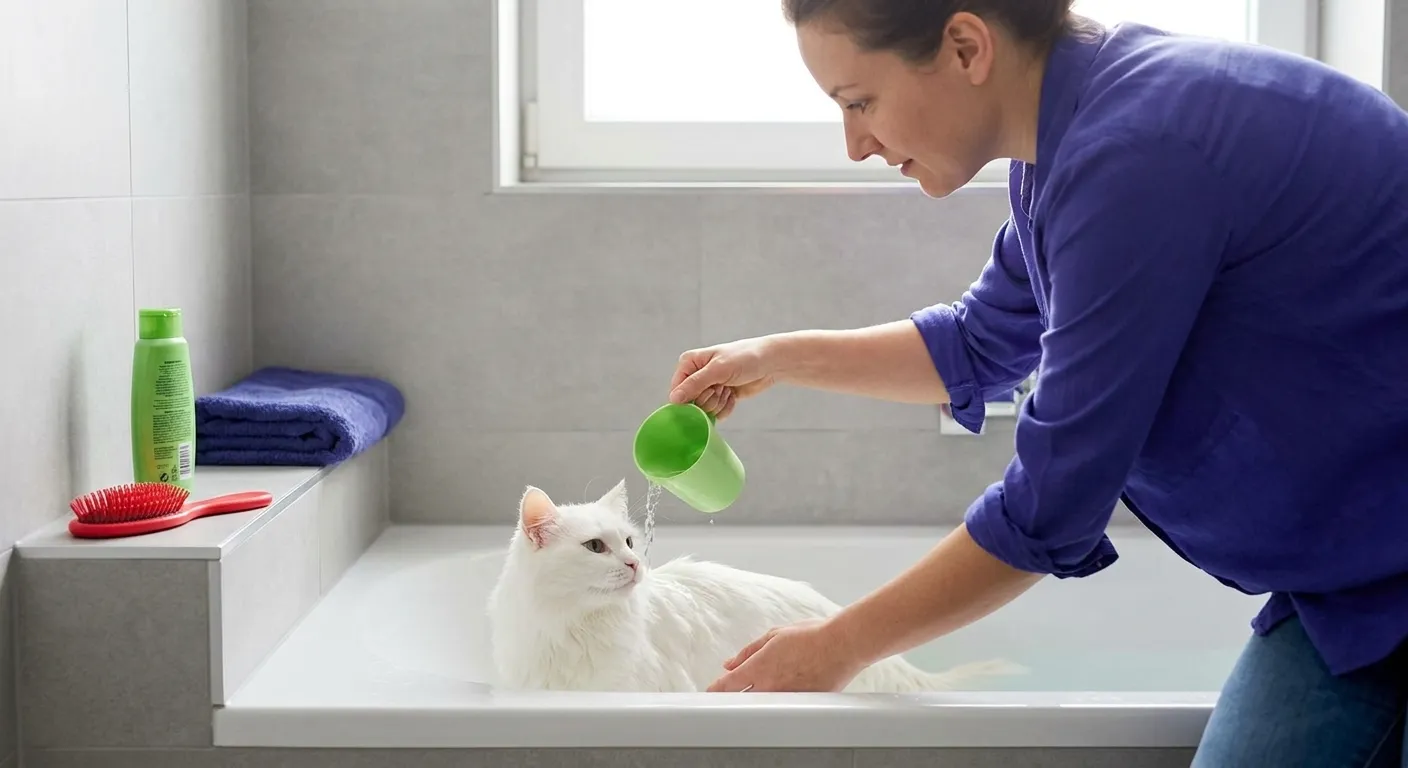
For many cat owners, the thought of bathing their feline friend can evoke images of scratched arms and a very unhappy pet. However, mastering effective cat bathing techniques doesn’t have to be a battle. While most cats are meticulous self-groomers, there are times when a bath is truly necessary – perhaps they’ve gotten into something sticky, have a medical condition requiring special shampoo, or are a breed like a Sphynx that benefits from regular washing. At Cat Grooming HQ, we believe in providing practical, reassuring advice to make these moments as calm and comfortable as possible for both you and your cherished companion.
Why and When to Bathe Your Cat (and When Not To)
Before you even think about filling the tub, it’s vital to understand why you’re bathing your cat. Unlike dogs, most cats do not require routine bathing. Excessive bathing can strip their skin of natural oils, leading to dryness or irritation. However, a bath can be beneficial for:
- Matted or Greasy Coats: Especially in long-haired or senior cats who struggle to groom themselves effectively. For more specific guidance, explore our article on Prevent Cat Matting: A Comprehensive Guide for Owners.
- Medical Conditions: Dermatitis, allergies, or flea infestations often require medicated baths.
- Unwanted Substances: If your cat gets into paint, oil, or anything toxic they might ingest while self-grooming.
- Breed-Specific Needs: Certain breeds, like the hairless Sphynx, need regular bathing to remove body oils.
If your cat is generally healthy and keeps themselves clean, a bath might be more stressful than beneficial. Always consult your vet if you’re unsure or if bathing is for a medical reason.
Essential Preparations for Successful Cat Bathing
The key to a stress-free experience lies in thorough preparation. This isn’t just about gathering supplies; it’s about setting the stage for calm. Reflecting the growing trend of pet humanization, owners are increasingly seeking personalized, gentle care. For bathing, this means prioritizing your cat’s comfort above all else.
Gather Your Arsenal
- Cat-Specific Shampoo: NEVER use human shampoo. Opt for a gentle, pH-balanced cat shampoo. Consider eco-friendly and natural options, a rising demand in the pet care industry, ensuring ingredients are safe for your cat and the environment. You can find more about these choices in our guide to Eco-Friendly Cat Grooming Products.
- Two Towels: One for initial drying, one for wrapping.
- Non-Slip Mat: Crucial for the tub or sink to prevent slips and reduce anxiety.
- Warm Water: Test on your wrist; it should be comfortably warm, not hot.
- Large Pitcher or Cup: For rinsing (avoid powerful showerheads).
- Cotton Balls: To protect ears from water.
- Treats & Toys: For positive reinforcement.
- Brush & Nail Clippers: Trim nails before the bath to protect yourself. Our article on Stress-Free Cat Nail Trimming offers helpful tips.
Create a Calm Environment
Choose a small, enclosed space like a bathroom where your cat can’t easily escape. Close the door. Ensure the water is already running before bringing your cat into the room; the sound can be startling. Speak in a calm, soothing voice throughout the entire process. Furthermore, having a helper can make the experience much smoother, especially for a first-time bath.
The Step-by-Step Guide to Effective Cat Bathing Techniques
Once you’ve prepared everything, it’s time for the actual bath. Remember that patience and a gentle touch are paramount. Each step should be executed calmly to minimize stress for your feline companion.
Step 1: Pre-Bath Brushing and Nail Trimming
Before any water touches your cat, give them a thorough brushing. This helps remove loose fur and prevents mats from tightening when wet. If your cat has mats, try to gently work them out beforehand or consider professional grooming. Additionally, trim their nails to protect yourself from accidental scratches during the bath. This preparation is a critical part of successful cat bathing techniques.
Step 2: Gentle Introduction to Water
Slowly and gently place your cat into the tub or sink with the non-slip mat. Start by wetting their back and sides using the pitcher of warm water. Avoid getting water on their face, ears, or eyes. Many cats tolerate water better when it’s introduced gradually. Consequently, speaking softly and offering reassurance can make a significant difference.
Step 3: Applying Shampoo
Apply a small amount of cat-specific shampoo to your hands, then gently massage it into your cat’s coat. Work from neck to tail, avoiding the face and ears. Lather thoroughly but gently. For longer-haired cats, pay special attention to areas prone to matting. The goal is to clean without scrubbing aggressively, which can cause discomfort. This is where gentle cat bathing techniques truly shine.
Step 4: Thorough Rinsing
This is arguably the most crucial step. Use the pitcher to rinse all the shampoo out of your cat’s fur. Any shampoo residue left behind can cause skin irritation or dry flaky skin. Rinse until the water runs clear and their fur feels squeaky clean. Again, be careful to avoid their face and ears. Sometimes, multiple rinses are needed to ensure all suds are gone.
Step 5: Drying Your Cat
Once rinsed, lift your cat out and immediately wrap them in a warm, dry towel. Gently pat and rub to absorb as much water as possible. Use the second dry towel if the first becomes saturated. Most cats dislike blow dryers, but if yours tolerates a low, cool setting from a distance, it can speed up drying. Otherwise, keep them in a warm, draft-free room until they are completely dry to prevent chilling. Positive reinforcement with treats during this stage is highly effective, as discussed in The Lasting Impact of Positive Post-Grooming Care.
Addressing Common Challenges in Cat Bathing
Even with the best preparation and gentle cat bathing techniques, challenges can arise. Cats are individuals, and some will naturally be more resistant than others. However, there are strategies to help.
Dealing with an Anxious or Aggressive Cat
If your cat is highly anxious or aggressive, consider starting with
