
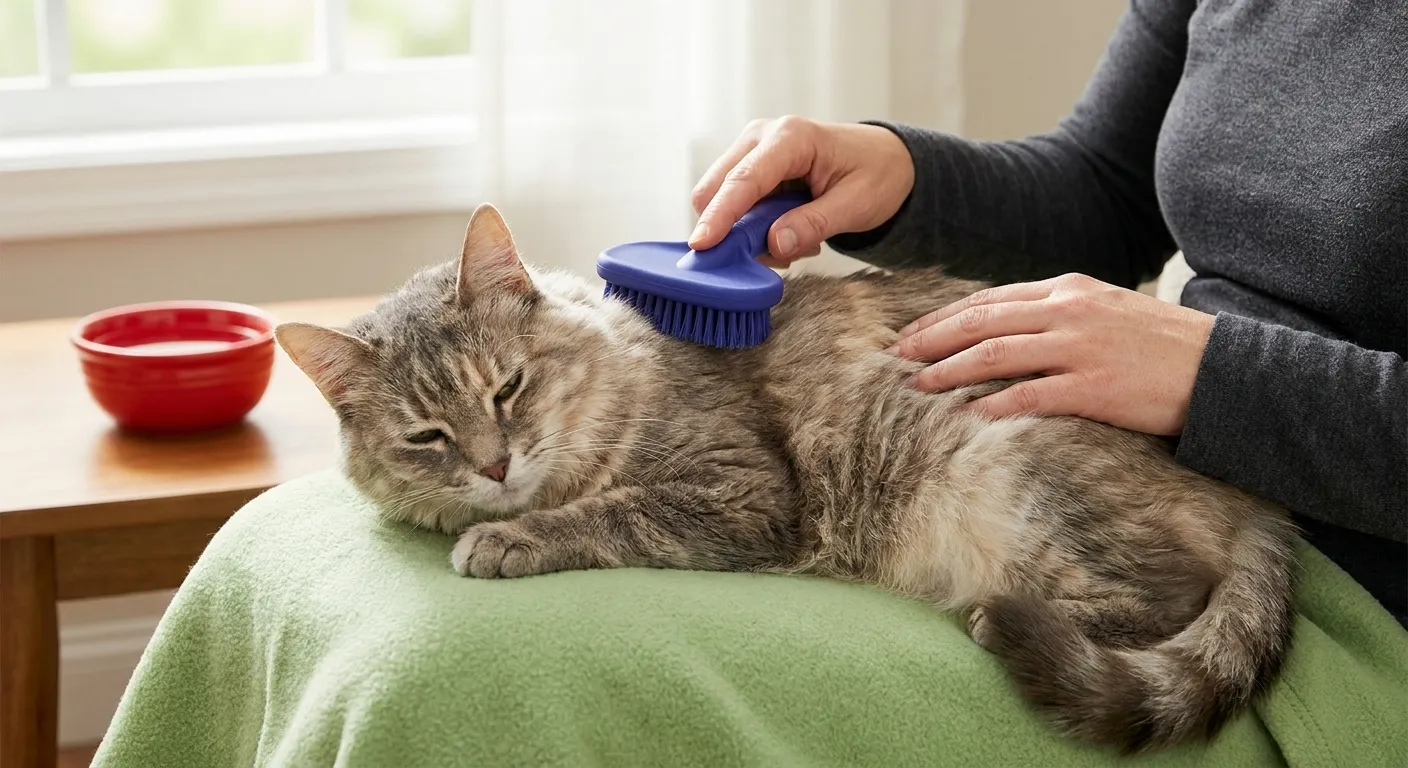
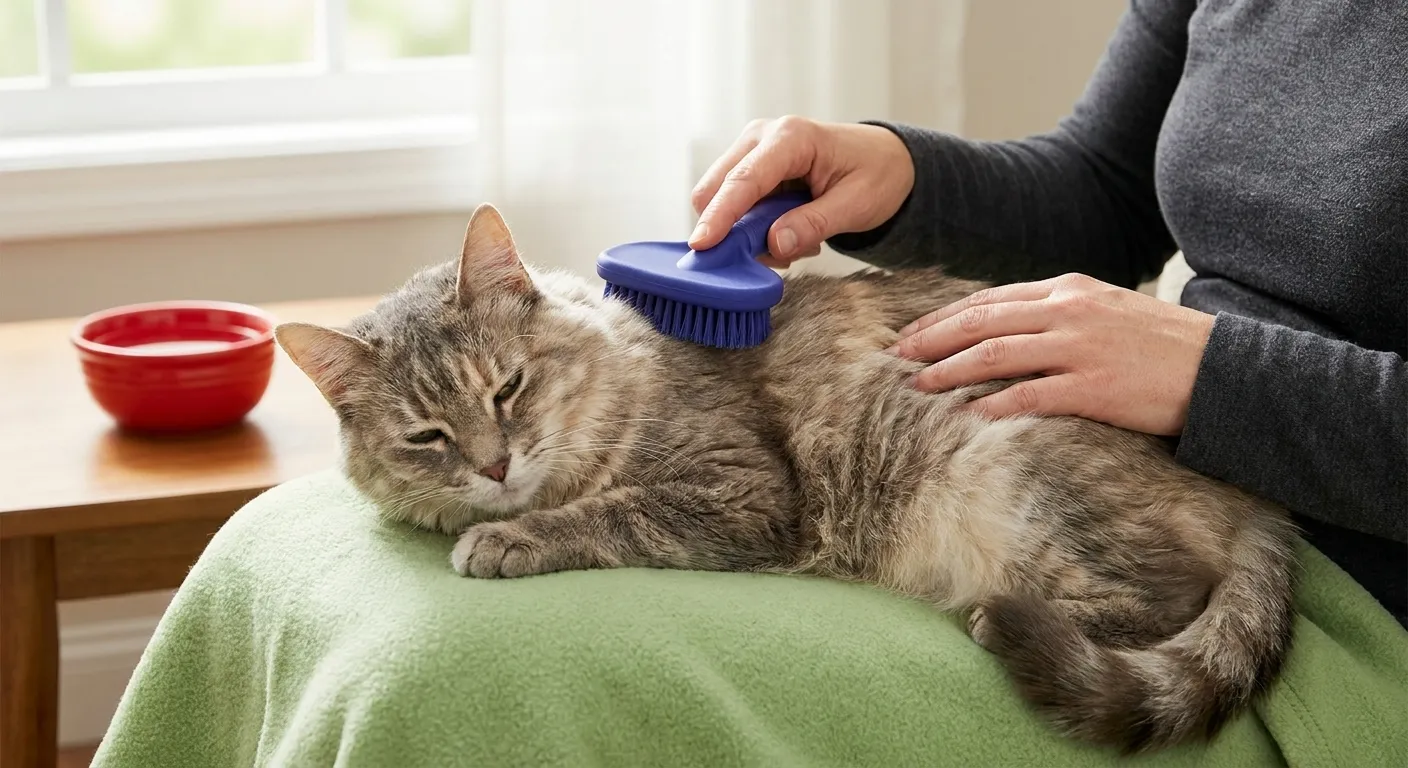
Grooming senior cats is the focus of this guide. As our beloved feline companions gracefully enter their golden years, their needs evolve, and this includes their grooming requirements. What once was an effortless daily ritual for them can become a challenge due to age-related changes. Providing gentle and understanding grooming for senior cats is not just about aesthetics; it’s a vital part of maintaining their comfort, dignity, and overall quality of life. At Cat Grooming HQ, we understand the unique bond you share with your senior cat and are here to offer practical, compassionate guidance to navigate this important stage.
Why Senior Cats Need Special Grooming Attention
Senior cats, generally defined as those aged 11 and older, often experience a range of physical changes that impact their ability to self-groom effectively. These can include:
- Arthritis and Joint Pain: Reduced flexibility makes it difficult to reach and groom certain areas, leading to mats, especially on their back, hips, and tail.
- Dental Issues: Painful teeth or gums can make self-grooming uncomfortable or impossible. Therefore, regular dental check-ups are crucial.
- Decreased Energy and Cognitive Decline: Older cats may simply lose the motivation or forget to groom themselves as thoroughly. Consequently, their coats can suffer.
- Sensitive Skin and Coat Changes: Their skin may become thinner and more delicate, and their coat can become duller, drier, or greasier, making them prone to matting and skin infections.
- Weight Changes: Both weight gain and loss can affect their grooming capabilities, making some areas harder to reach.
Recognizing these challenges is the first step in providing tailored care. The increasing trend of pet humanization means owners are more attuned than ever to their pets’ specific life-stage needs, seeking out specialized care and products.
Adapting Your Grooming Routine for Senior Felines
Your approach to grooming an elderly cat should prioritize comfort and patience above all else. Think of grooming as a gentle massage and bonding time, not a chore. Furthermore, a consistent routine helps reduce anxiety for aging pets.
Shorter, More Frequent Sessions
Instead of one long, arduous session, opt for several short, gentle grooming periods throughout the day or week. For example, five to ten minutes at a time can be far less taxing for an arthritic cat than a single 30-minute session. This also aligns with the desire for personalized grooming plans based on a cat’s health and behavior. Indeed, frequent, brief interactions build trust and reduce stress.
Choose the Right Tools
Selecting appropriate tools is paramount when caring for an older cat’s coat. Ditch harsh brushes for softer options, such as rubber curry brushes or soft-bristled brushes. These tools stimulate circulation without irritating delicate skin. Additionally, wide-toothed combs are essential for gently working through any small mats, especially in sensitive areas. For quick clean-ups of areas they can’t reach, like around the tail or chin, pet wipes are incredibly useful. Moreover, consider specialized grooming gloves for a soothing experience.
Nail Care with Extra Caution
Senior cats’ nails can become brittle, overgrown, and prone to snagging. They may also retract their claws less effectively, leading to discomfort. Consequently, regular, gentle nail trims are vital. Use sharp, cat-specific clippers and only trim the very tip to avoid the quick. If your cat resists, try trimming just one or two claws at a time. This makes the process less stressful for both of you. For more detailed guidance, see our article on Stress-Free Cat Nail Trimming.
Addressing Matting and Tangles
Mats are a common issue for older cats due to reduced self-grooming. These tangles can pull on their delicate skin, causing pain and even skin infections. Therefore, daily gentle brushing is critical to prevent mats from forming. When you encounter a small mat, try to gently tease it apart with your fingers or a wide-toothed comb. Never pull or cut a mat with scissors, as this can easily injure your cat. If mats are severe, it’s best to consult a professional groomer or your veterinarian. Preventing matting is key, and our guide on Prevent Cat Matting offers comprehensive strategies.
Bathing Senior Cats (When Necessary)
Most cats dislike baths, and senior cats are no exception. However, sometimes a bath becomes necessary, especially if they have soiled themselves or developed a skin condition. If bathing is required, use a gentle, cat-specific shampoo. Ensure the water is lukewarm and the environment is warm to prevent chilling. Keep the bath short and use a non-slip mat in the tub for stability. After the bath, wrap your cat in a soft towel and gently pat them dry. Avoid harsh blow dryers, which can be frightening and dehydrating. A thorough rinse is also important to prevent skin irritation. For general advice on bathing, refer to our Cat Bathing Basics.
Ear and Eye Cleaning
As cats age, they may develop waxy buildup in their ears or discharge around their eyes. Gently wipe their ears with a veterinarian-approved ear cleaner on a cotton ball, never inserting anything into the ear canal. For eyes, use a soft, damp cloth to carefully clean away any crust or discharge. Always use separate cloths for each eye to prevent potential spread of infection. These small, regular cleanings are an important part of overall care for senior cat grooming.
Recognizing Signs of Discomfort During Grooming
Your senior cat’s body language is your best indicator of their comfort level. Look for signs such as:
- Tail flicking or thumping
- Flattened ears
- Hissing or growling
- Attempting to bite or scratch
- Tensing up or trying to escape
- Excessive purring that sounds strained (can indicate pain)
If you observe any of these signs, immediately stop the grooming session. Give your cat a break and try again later, or shorten future sessions. Remember, positive experiences are crucial for successful grooming for senior cats. For additional strategies on managing anxious felines, consider our article on Grooming Difficult Cats.
The Importance of Regular Veterinary Check-ups
Underlying health issues often impact a senior cat’s grooming habits and comfort. Regular veterinary check-ups are essential to address conditions like arthritis, dental disease, or skin problems. Your vet can recommend pain management strategies, special diets, or medicated shampoos that can make grooming much easier and more comfortable for your aging feline. For example, they might suggest supplements to support joint health, which directly improves a cat’s ability to self-groom. Indeed, a healthy cat is a happier groomer.
Nutritional Support for a Healthy Coat and Skin
A balanced diet plays a significant role in maintaining the health of your senior cat’s skin and coat. Look for senior-specific cat foods that are rich in Omega-3 and Omega-6 fatty acids. These nutrients support skin hydration and coat luster, reducing dryness and flakiness. Additionally, adequate protein intake is vital for strong fur. Consult your veterinarian about any dietary supplements that might benefit your elderly cat’s skin and coat health. A healthy diet can significantly ease the challenge of maintaining a beautiful coat.
Creating a Relaxing Grooming Environment
The environment in which you groom your senior cat can greatly influence their cooperation. Choose a quiet, calm space free from distractions and loud noises. Ensure the surface you’re working on is stable and non-slip, providing your cat with a sense of security. A warm room is also important, especially after bathing. Offering treats and praise throughout the grooming session can create positive associations. Furthermore, a consistent location helps establish a routine, making grooming less daunting. Consider playing soft, calming music to further enhance the relaxed atmosphere. This thoughtful approach makes grooming senior cats a more pleasant experience.
When to Seek Professional Help
While home grooming is beneficial, there are times when professional assistance is necessary. If your senior cat has severe matting that you cannot safely remove, a professional groomer can often handle it with specialized tools and techniques. Similarly, if your cat becomes overly stressed or aggressive during grooming, a professional might be able to manage them more effectively. Vets often have groomers on staff or can recommend reputable, gentle groomers experienced with senior pets. They can also sedate a cat if absolutely necessary for painful mat removal. Knowing when to call in an expert is part of responsible pet ownership. For more information on professional care, consider resources like the ASPCA’s guide on cat grooming.
The Emotional Bond and Grooming
Grooming is more than just a physical task; it’s an opportunity to strengthen your bond with your senior cat. The gentle touch, the quiet moments shared, and the comfort you provide all contribute to a deeper connection. As cats age, they often seek more reassurance and comfort from their human companions. Therefore, these grooming sessions can become cherished rituals, reinforcing trust and affection. This special attention is particularly important for grooming senior cats, as it reaffirms their place in the family. The lasting impact of positive post-grooming care is also something to consider, as discussed in our article on The Lasting Impact of Positive Post-Grooming Care.
Conclusion
Caring for an aging feline involves understanding and adapting to their changing needs, especially concerning grooming. By adopting a gentle, patient, and consistent approach to grooming senior cats, you can ensure their comfort, prevent painful issues, and enhance their overall well-being. Remember to use appropriate tools, create a calm environment, and always prioritize your cat’s comfort. Regular veterinary check-ups and a healthy diet further support their grooming needs. These golden years are precious, and with your loving care, your senior cat can continue to live a dignified and comfortable life, enjoying every gentle stroke and brush. Your dedication to their care truly makes a difference in their quality of life. For additional insights into feline health, you might find information from the Cornell Feline Health Center valuable.
FAQ
What challenges do older cats face with self-grooming?
Older cats often struggle with self-grooming due to arthritis, dental pain, reduced energy, and cognitive decline. These factors make it difficult for them to reach all parts of their body, leading to mats and other coat issues.
How often should I groom my elderly feline?
It’s best to groom your elderly feline with shorter, more frequent sessions. Aim for 5-10 minutes a few times a week rather than one long session. This reduces stress and physical strain for your cat.
What specific tools are recommended for grooming aging felines?
For grooming aging felines, use soft brushes like rubber curry brushes, wide-toothed combs for tangles, and pet wipes for quick clean-ups. Always prioritize tools that are gentle on their sensitive skin.
When should I consider professional help for my older cat’s grooming?
You should consider professional help if your older cat has severe matting, becomes overly stressed or aggressive during home grooming, or if you suspect underlying health issues are making grooming difficult. A professional groomer or veterinarian can provide safe and effective solutions.
How can I make the grooming experience positive for my senior cat?
To make the grooming experience positive, create a quiet and calm environment. Use gentle touches, offer treats and praise, and keep sessions short. This builds trust and reinforces the idea that grooming is a pleasant interaction.
