
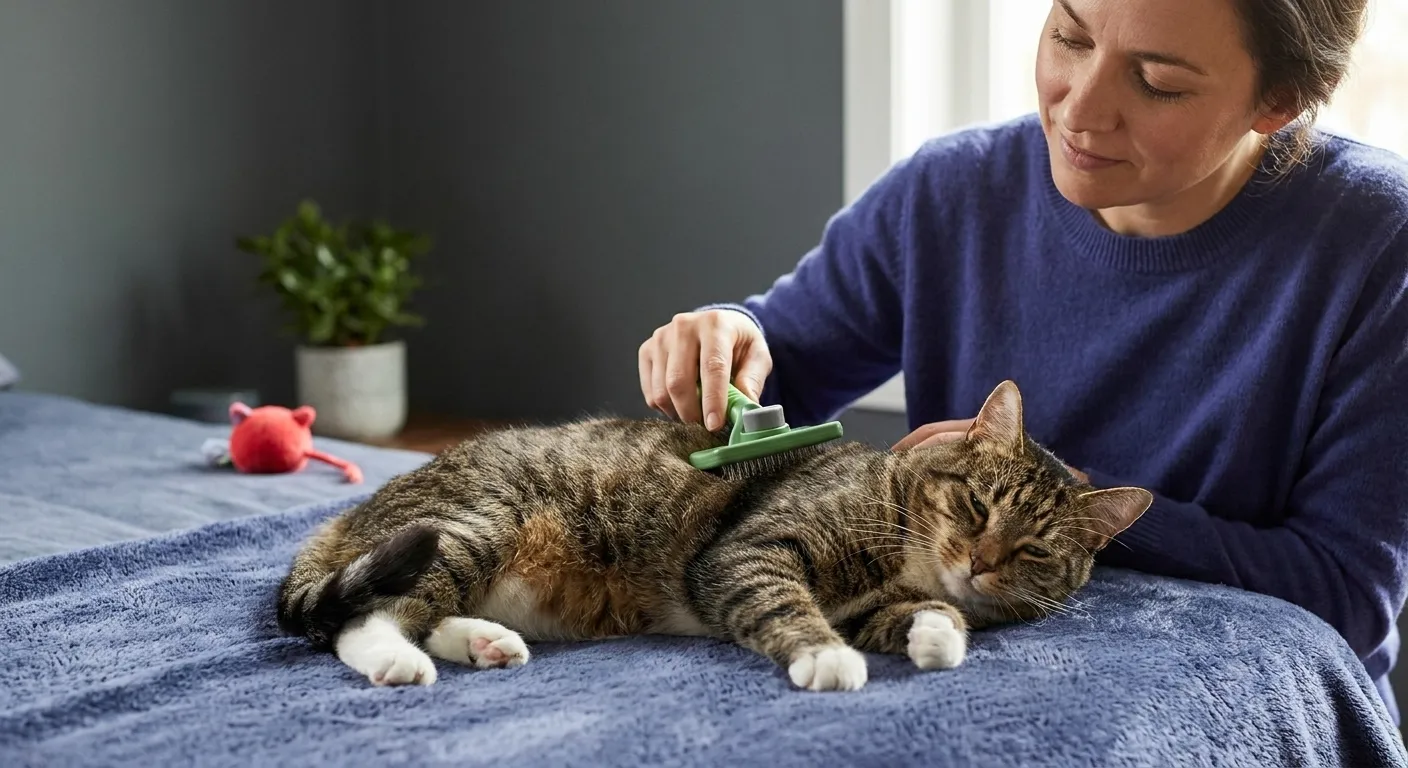
The gentle rumble of a cat’s purr is often interpreted as a sign of contentment, especially during a relaxing grooming session. However, the true Cat Purr Meaning is far more complex and fascinating, extending beyond simple happiness to include self-soothing and even healing. Understanding the different contexts of purring can provide deeper insights into your cat’s emotional state and help you tailor your grooming approach for optimal comfort and bonding.
Cats communicate in many subtle ways, and their purr is one of the most intriguing. While we often associate this sound with pleasure, research suggests it serves a broader purpose. For instance, a cat might purr when feeling anxious or when experiencing minor discomfort. Recognizing these nuances can significantly improve how you interact with your feline companion, particularly during grooming activities.
Deciphering Purr Frequencies and Their Effects
Scientific research has shown that cat purrs typically occur at a frequency of 25 to 150 Hertz. These specific frequencies are associated with promoting bone density, healing, and pain relief. When your cat purrs during grooming, it could certainly be a sign of pleasure and relaxation, but it might also be a coping mechanism if they’re feeling a bit anxious or experiencing minor discomfort. For example, a cat might purr to calm themselves during a nail trim that they tolerate but don’t particularly enjoy. Recognizing the subtle nuances in their body language alongside the purr can help you distinguish between a happy purr and a self-soothing purr, allowing you to adjust your technique as needed.
These low-frequency vibrations are not random; instead, they are a biological marvel. Many veterinarians and animal behaviorists acknowledge the therapeutic potential of these vibrations. They can stimulate bone growth and repair, which is especially beneficial for older cats or those recovering from injuries. Therefore, a purr isn’t always a signal of pure bliss; sometimes, it’s a sign that your cat is actively trying to feel better. This understanding is crucial when you are grooming senior cats, who might experience more aches and pains.
The Healing Power and Social Role of Purring
The purr’s low-frequency vibrations are believed to contribute to faster healing of bones and soft tissue, making it a natural internal mechanism for well-being. This biological aspect means that even a cat recovering from an injury or illness might purr, leveraging their own healing capabilities. Beyond self-healing, purring also plays a significant social role. Kittens purr to communicate with their mothers, and adult cats use it to signal friendliness or request attention. During grooming, your cat’s purr reinforces the positive social bond you share, communicating trust and companionship. Paying attention to the context and intensity of the purr, alongside other cues, offers a richer understanding of its Cat Purr Meaning and your feline’s overall comfort level.
Furthermore, the social aspect of purring extends to human-cat interactions. A cat purring while being brushed or petted is often expressing trust and affection. This deepens the bond between pet and owner. Consequently, observing these purrs during grooming sessions can be a rewarding experience, indicating a strong, positive connection. However, it’s important to remember that context is everything. A cat purring intensely during a very difficult procedure might be using the purr to self-regulate.
Understanding Different Purr Contexts During Grooming
When you are grooming your cat, a purr can manifest in several ways, each with a distinct underlying reason. For instance, a soft, consistent purr during a gentle brushing session likely indicates pure enjoyment. Conversely, a louder, more urgent purr during a less pleasant activity, like stress-free cat nail trimming, might signify self-soothing. It is their way of trying to calm themselves down. Learning to differentiate these nuances is key to becoming a more attuned cat owner.
Moreover, consider the cat’s body language. A relaxed cat with half-closed eyes and a slow tail swish, purring gently, is probably content. On the other hand, a cat purring loudly with flattened ears or a tense body might be experiencing stress. This combination of vocalization and physical cues provides a more complete picture of your cat’s emotional state. Therefore, always observe the whole cat, not just the sound. This holistic approach will help you better understand their needs.
The Evolutionary Advantage of the Feline Purr
From an evolutionary perspective, the ability to purr offers significant advantages. It allows cats to communicate without attracting unwanted attention from predators, unlike a loud meow or hiss. This silent, yet powerful, form of communication is effective over short distances, making it ideal for mother-kitten bonding and close social interactions. The self-healing properties also provide a survival benefit, enabling quicker recovery from injuries in the wild.
In fact, some scientists believe that the purr’s healing vibrations were crucial for wild cats to recover from minor injuries, allowing them to return to hunting sooner. This inherent ability has been passed down through generations, making the purr a fundamental part of feline biology. Understanding this evolutionary background further illuminates the complex Cat Purr Meaning in modern domestic cats. It’s not just a cute sound; it’s a testament to their incredible resilience.
How to Respond to Different Purr Types
Knowing the different reasons behind a purr allows you to respond appropriately during grooming. If your cat is purring contentedly during brushing, continue with gentle, reassuring strokes. This reinforces the positive experience. However, if you notice signs of discomfort alongside a purr, such as a flicking tail or tense posture during a bath, consider pausing or adjusting your technique. Perhaps a break is needed, or a different approach to the task.
For example, if your cat purrs while you are attempting to remove a mat, and they show signs of pain, it might be best to stop and reassess. You can then try again later or seek professional help. Preventing cat matting through regular brushing can reduce the need for such potentially uncomfortable procedures. Always prioritize your cat’s comfort and well-being. This thoughtful approach fosters trust and makes future grooming sessions much easier.
The Link Between Purring and Overall Feline Health
The healing frequencies of purrs are not just for acute injuries; they contribute to overall well-being. Regular purring, especially during periods of rest, can help maintain bone density and support a healthy circulatory system. This is particularly relevant for indoor cats who may not get as much physical activity as their outdoor counterparts. Consequently, a purring cat is often a healthier cat, internally speaking.
Furthermore, the stress-reducing aspect of purring can lower cortisol levels, which is beneficial for the immune system. A less stressed cat is generally a healthier cat. Therefore, creating a calm and positive grooming environment that encourages purring can have long-term health benefits. This includes using gentle techniques and ensuring your cat feels secure. Consider the wider implications for your cat’s health when interpreting their purrs.
Enhancing the Grooming Experience Through Purr Awareness
By understanding the multifaceted Cat Purr Meaning, you can significantly enhance your grooming routine. Pay close attention to when and how your cat purrs. Is it a soft, continuous rumble during a gentle stroke, or a louder, more fragmented sound during a less favored activity? This awareness allows you to make real-time adjustments. For instance, if your cat purrs with slight tension during a dental check, you might offer a favorite treat immediately afterward to create a positive association, reinforcing essential cat dental care at home.
Moreover, integrating positive reinforcement strategies can encourage purring associated with pleasure. Offer praise, gentle petting, and treats when your cat purrs happily during grooming. This positive post-grooming care is vital for building trust and making future sessions smoother. Ultimately, a deeper understanding of this unique feline vocalization empowers you to provide more empathetic and effective care. This helps to make grooming a truly bonding experience.
When to Be Concerned About a Purr
While purring is generally a positive or self-soothing behavior, there are rare instances when it could signal a problem. A cat purring continuously and unusually loudly without any apparent reason for contentment or stress might be masking pain. Similarly, a cat that suddenly stops purring, especially if they were previously very vocal, could be indicating illness or discomfort. Therefore, always consider the context.
If your cat exhibits other signs of illness, such as lethargy, changes in appetite, or unusual hiding behavior, and is also purring in an uncharacteristic way, it’s wise to consult your veterinarian. The purr, in these cases, might be a desperate attempt at self-healing or pain management. Being attentive to these subtle changes in purr patterns and overall behavior is part of responsible pet ownership. This ensures that any underlying health issues are addressed promptly.
The Connection Between Purring and a Calm Grooming Environment
Creating a calm and predictable grooming environment is crucial for encouraging happy purrs and minimizing stress-related purring. This involves selecting a quiet space, using gentle movements, and introducing new grooming tools slowly. When a cat feels safe and secure, they are more likely to express contentment through purring. This positive feedback loop makes grooming a more pleasant experience for everyone involved.
Think about the ambiance. Soft lighting, a familiar blanket, and even a calming pheromone spray can contribute to a relaxed atmosphere. These preparations can significantly influence your cat’s comfort level and, consequently, the nature of their purrs. A relaxed cat is easier to groom, and their happy purrs are a clear indicator of success. This proactive approach to creating a peaceful setting is beneficial for both you and your feline friend.
Conclusion
The Cat Purr Meaning is a rich tapestry of emotion, communication, and biology. It extends far beyond a simple sign of happiness, encompassing self-soothing, healing, and deep social bonding. As cat owners, understanding these various facets of purring allows us to connect with our feline companions on a deeper level, especially during the intimate moments of grooming. By observing the context, frequency, and accompanying body language, we can better interpret our cat’s needs and tailor our care accordingly. This nuanced appreciation for the purr not only enhances the grooming experience but also strengthens the unique bond we share with our beloved cats. Ultimately, a purr is a complex signal, and learning to read it is a rewarding journey for any cat owner.
FAQ: Decoding Feline Purrs
What does it mean when a cat purrs during grooming?
When a cat purrs during grooming, it can signify several things. It often means they are content and relaxed, enjoying the attention. However, it can also be a self-soothing mechanism if they are feeling anxious or experiencing minor discomfort. Observing their body language helps determine the specific reason.
Are all purrs a sign of happiness?
No, not all purrs indicate happiness. While many purrs are indeed signs of contentment, cats also purr when they are stressed, injured, or in pain as a way to self-soothe and promote healing. The context and accompanying behaviors are important for accurate interpretation.
Can purring help a cat heal?
Yes, scientific research suggests that the low-frequency vibrations of a cat’s purr (25-150 Hz) can promote bone density, heal soft tissue, and provide pain relief. This makes purring a natural internal mechanism for well-being and recovery.
How can I tell if my cat’s purr is from stress or pleasure?
To differentiate, observe your cat’s overall body language. A relaxed cat purring happily will typically have a calm posture, soft eyes, and a loose tail. A stressed cat purring might have flattened ears, a tense body, or a flicking tail. The situation in which they purr also provides important clues.
Why do cats purr at such specific frequencies?
Cats purr at specific frequencies (25-150 Hz) because these vibrations have been scientifically linked to therapeutic effects. These frequencies are optimal for stimulating bone growth, repairing tissues, and reducing pain, offering an evolutionary advantage for healing and survival.
Does a cat’s purr have a social purpose?
Absolutely. Purring plays a vital social role. Kittens purr to communicate with their mothers, and adult cats use it to signal friendliness, trust, and to solicit attention or food. During grooming, it reinforces the positive bond between a cat and its owner.
